Cancer Tests You Need Right Now
Brad Stanfield
4 ene 2026
Mindsip insights from this episode:
Reassess aggressive screening to prevent overdiagnosis and harm
Aggressive, population-wide screening can lead to overdiagnosis and unnecessary, harmful treatments without saving lives, as seen with thyroid cancer in South Korea.
Schedule colorectal cancer screening at age 35 for early detection
Due to rising rates of colorectal cancer in younger adults, the speaker personally plans to get his first screening at age 35, a decade earlier than the official recommendation of 45.
Engage in personalized discussions with doctors about prostate cancer screening
One-fifth of men will die with prostate cancer but not from it, which is why blanket screening recommendations are avoided in favor of a personalized discussion with a doctor.

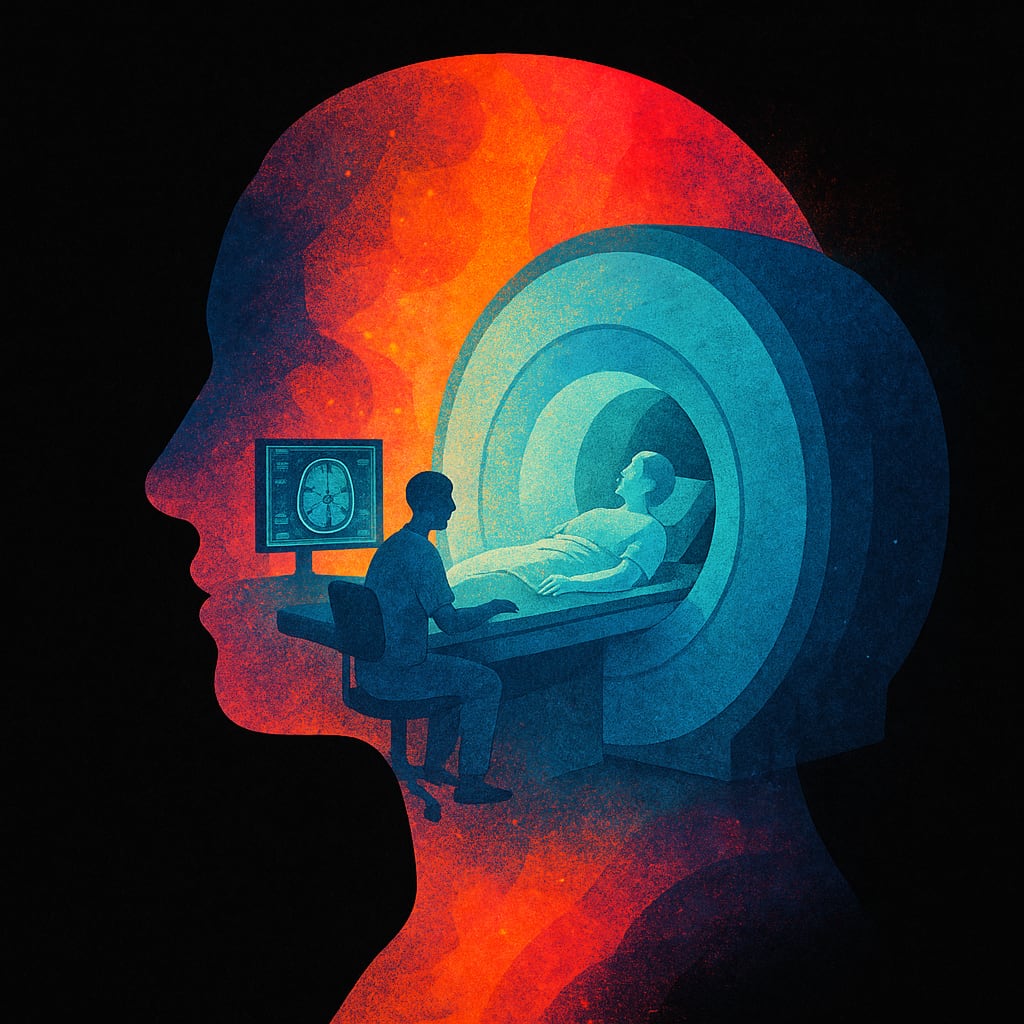
Weigh risks and benefits before choosing full-body MRI
While not recommended for the public, an individual may still choose a full-body MRI if they accept the risk of finding benign issues and prefer having more information.
Prioritize mammograms for lifesaving benefits over minimal risks
For every life potentially lost to radiation from mammograms, an estimated 150 to 300 lives are saved by the screening, making the benefit vastly greater than the risk.
Expand lung cancer screening guidelines to include more former smokers
Recent evidence suggests lung cancer screening guidelines should be expanded beyond the '20 pack year' history to include more people who have previously smoked.
Utilize FIT test for simple colorectal cancer screening
You can now screen for colorectal cancer with a highly sensitive and simple stool sample test called a FIT test, which is an alternative to a colonoscopy.
Avoid full-body MRI screening for healthy individuals
The American College of Radiology recommends against full-body MRI screening for healthy individuals due to a lack of evidence for better outcomes and the risk of a 'cascade of care'.