Glucose Goddess: Eat your Food in the Right Order (73% Healthier!)
Physionic
1 may 2024
Mindsip insights from this episode:
Recognize limitations of food order study on glucose reduction
The study showing a dramatic glucose reduction only measured for 120 minutes, which may not capture the total glucose burden as the last-eaten carbs could still be absorbing.

Implement 15-minute rule for carbohydrate consumption
To properly implement the food order hack, you should consume carbohydrates 15 minutes after you have finished eating the rest of your meal.
Mix nutrients to blunt glucose spikes from carbohydrates
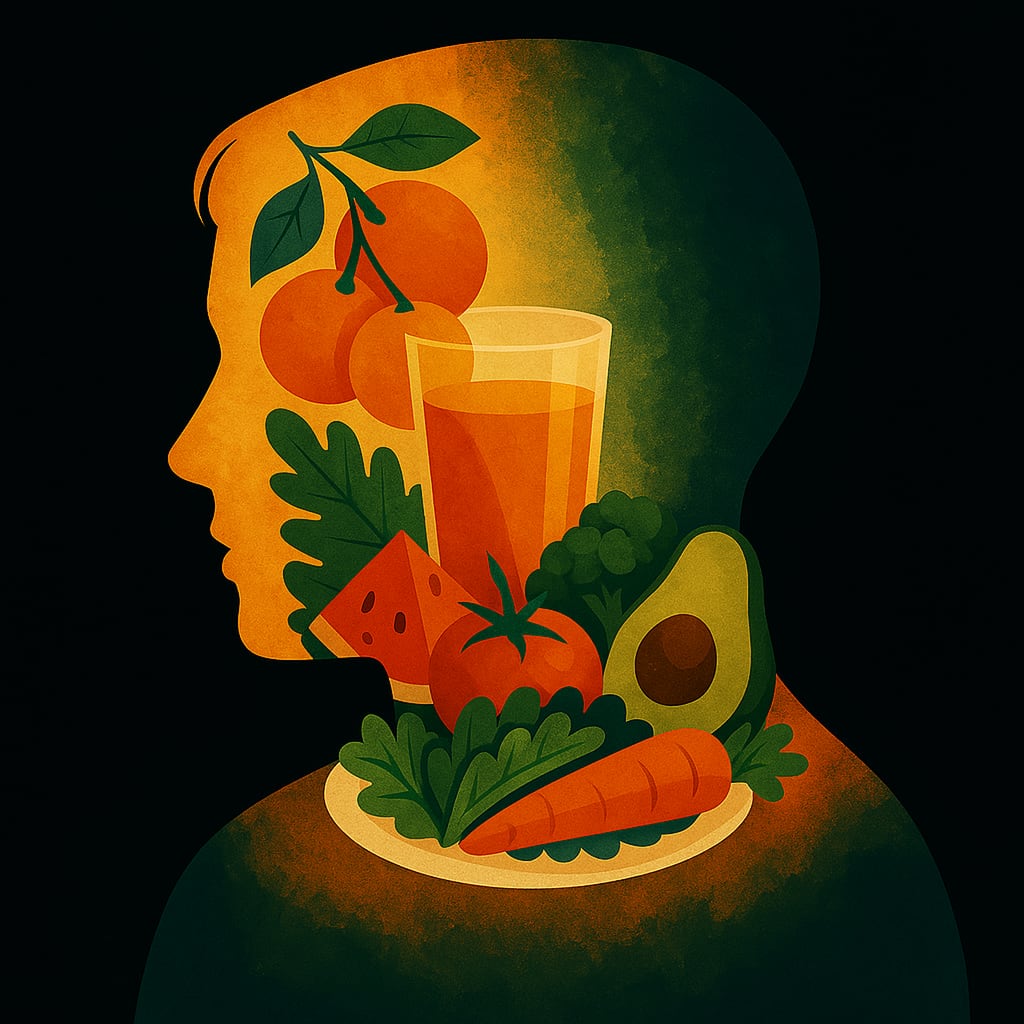
Consuming carbohydrates with other nutrients, such as fish filled with omega-3s and protein, can drastically reduce the glucose spike on its own.
Monitor blood sugar spikes above 180 mg/dL after meals
For those monitoring their blood sugar, the usual cutoff for a spike being considered too high is around 180 milligrams per deciliter after eating.
Eat vegetables first to reduce glucose spikes by 73%
Eating the elements of a meal in a specific order—vegetables first, then protein, then carbohydrates last—can reduce the glucose spike by 73%.
Focus on chronic blood sugar levels over individual spikes
You should worry less about individual glucose spikes and more about chronically elevated blood sugar and insulin levels, as they are a clearer indication of poor health.
More from
Physionic

Dave Asprey: Animal Protein is Better, but Don’t eat THIS Animal Protein!

Cheap, Revolutionary Blood Test can Predict your Alzheimer’s Disease Risk
Don’t be Fooled by Coronary Artery Calcium score of 0…

Detox Expert: The Perfect Cleanse to reset your Gut!

The King of Protein, Whey, Finally Defeated by a Newcomer?
You also might be interested in

Office Hours: Cholesterol and Heart Disease — What I’ve Changed My Mind About

Aging Starts In Your Legs (Here’s The Fix)

The Surprising Science Of Injecting Young Blood, Salmon Sperm & Stem Cells Into Your Face (And Other Places) With Dr. Khanh Nguyen

How To Be "Forever Strong", Creating The Right Amount of FRICTION In Your Life, Official Protein Rules & More, With Dr. Gabrielle Lyon
Why Men’s Fertility Is Collapsing and What It Means for Our Future | Dr. Michael L. Eisenberg