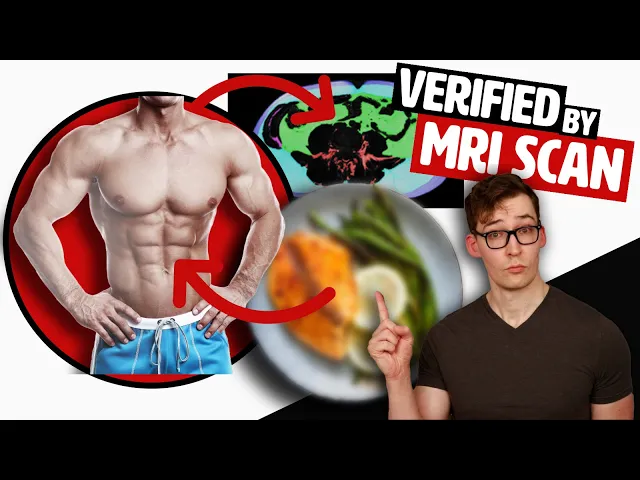
These Foods Melt Visceral Fat: Study Reveals!
Physionic
12 feb 2025
Mindsip insights from this episode:
Reduce red meat intake to decrease visceral fat
Data from the study showed that consuming less red meat was associated with greater reductions in visceral fat.

Adopt Green Med diet to triple visceral fat loss
A Mediterranean diet that includes green tea and Wolfia globosa (duckweed) can lead to around three times more visceral fat loss than a standard healthy diet.
Target specific foods to reduce visceral fat beyond calorie deficit
Specific foods can target visceral fat loss independently of overall weight loss, challenging the idea that only a calorie deficit matters.
Incorporate duckweed to reduce visceral fat
A high-protein, high-fiber plant called Wolfia globosa, also known as duckweed, was a key ingredient linked to a dramatic reduction in visceral fat.
Increase blood polyphenol levels to enhance visceral fat loss
The study showed that the higher a person's blood polyphenol levels were, the greater their associated visceral fat loss was.
Target dangerous fat with Green Med diet
The compounds in the Green Med diet may specifically target the most dangerous types of fat, including visceral fat and deeper subcutaneous fat.
More from
Physionic

Dave Asprey: Animal Protein is Better, but Don’t eat THIS Animal Protein!

Cheap, Revolutionary Blood Test can Predict your Alzheimer’s Disease Risk
Don’t be Fooled by Coronary Artery Calcium score of 0…
Detox Expert: The Perfect Cleanse to reset your Gut!
The King of Protein, Whey, Finally Defeated by a Newcomer?
You also might be interested in
Office Hours: Cholesterol and Heart Disease — What I’ve Changed My Mind About
Aging Starts In Your Legs (Here’s The Fix)

The Surprising Science Of Injecting Young Blood, Salmon Sperm & Stem Cells Into Your Face (And Other Places) With Dr. Khanh Nguyen

How To Be "Forever Strong", Creating The Right Amount of FRICTION In Your Life, Official Protein Rules & More, With Dr. Gabrielle Lyon
Why Men’s Fertility Is Collapsing and What It Means for Our Future | Dr. Michael L. Eisenberg