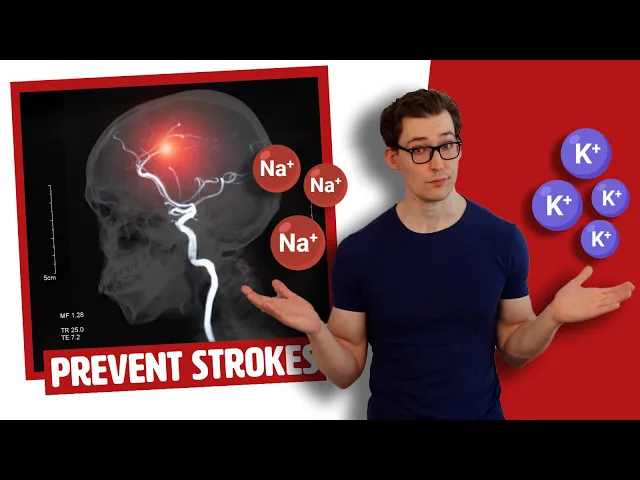
Re-Balancing One Essential Nutrient to Protect against Stroke
Physionic
13 ene 2025
Mindsip insights from this episode:
Limit potassium intake to protect kidney health
People with kidney disease should be cautious with potassium consumption, as their kidneys may not be able to properly regulate and excrete it.

Incorporate salmon as a potassium-rich food source
In addition to well-known plant sources like bananas and avocados, salmon is a surprisingly good source of potassium.
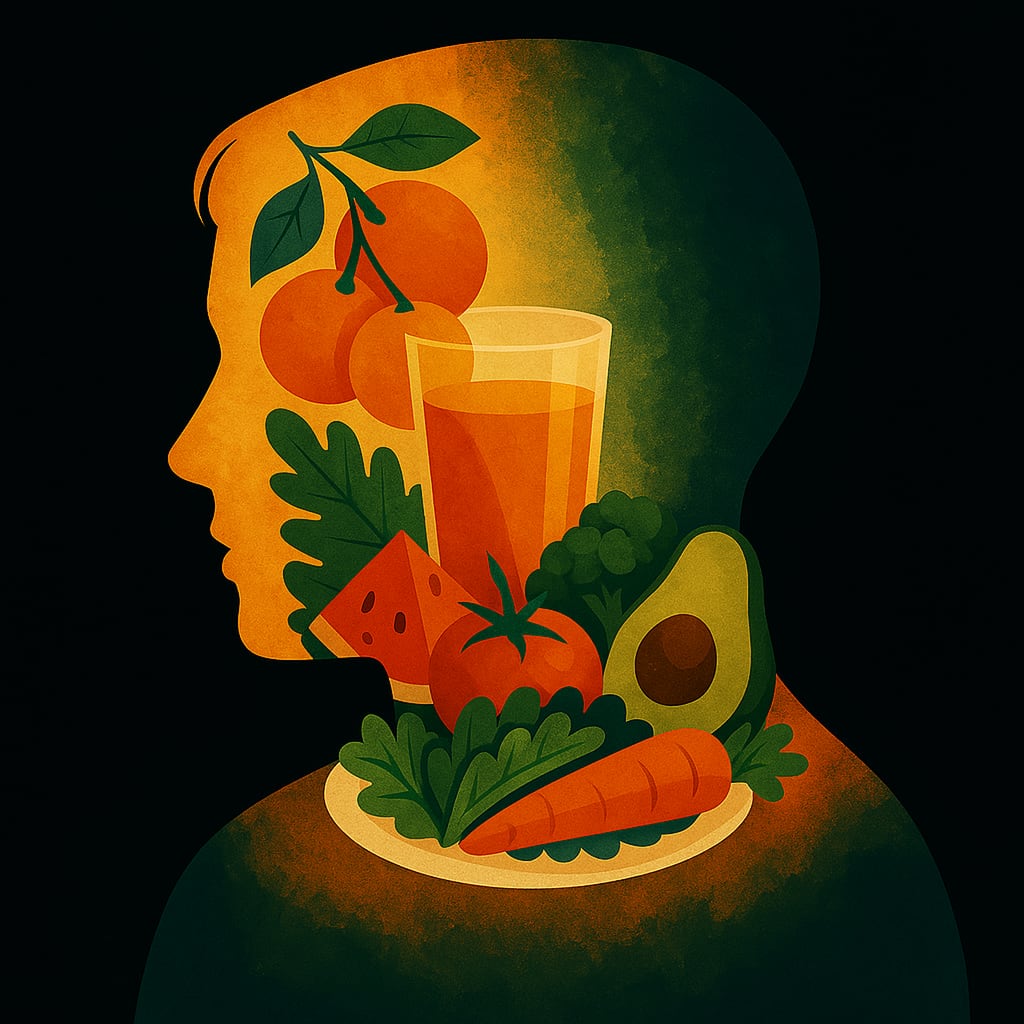
Increase potassium intake to lower stroke risk by 24%
Compared to low potassium levels, adequate potassium intake is associated with a substantial 24% reduced risk of stroke.
Utilize potassium to prevent hemorrhagic strokes
Potassium is likely more effective at preventing hemorrhagic strokes, which are brain bleeds caused by high blood pressure, than other types of stroke.
Increase potassium intake to lower high blood pressure
Potassium intake significantly lowers blood pressure in people who already have hypertension, but has little to no effect on those with normal blood pressure.
Increase potassium intake to combat modern dietary deficiencies
Potassium intake in modern diets is generally lower than it was in the past, highlighting a potential widespread deficiency.
Lower blood pressure by increasing potassium intake
Potassium activates hormones that signal your kidneys to reduce the reabsorption of sodium, causing more sodium to be excreted and thereby lowering blood pressure.
More from
Physionic

Dave Asprey: Animal Protein is Better, but Don’t eat THIS Animal Protein!

Cheap, Revolutionary Blood Test can Predict your Alzheimer’s Disease Risk
Don’t be Fooled by Coronary Artery Calcium score of 0…
Detox Expert: The Perfect Cleanse to reset your Gut!
The King of Protein, Whey, Finally Defeated by a Newcomer?
You also might be interested in
The Nobel Prize Molecule That Nearly Doubles Lifespan
The Willpower Drug: How to Supplement Discipline
Essentials: Micronutrients for Health & Longevity | Dr. Rhonda Patrick
Are You Nutrient Deficient? The Hidden Factors of Accelerated Aging | Rhonda Patrick - ENCORE
NMN & NAD for Anti-Aging Just Changed