This Is Why Soda Spreads Cancer in your Body
Physionic
13 nov 2025
Mindsip insights from this episode:
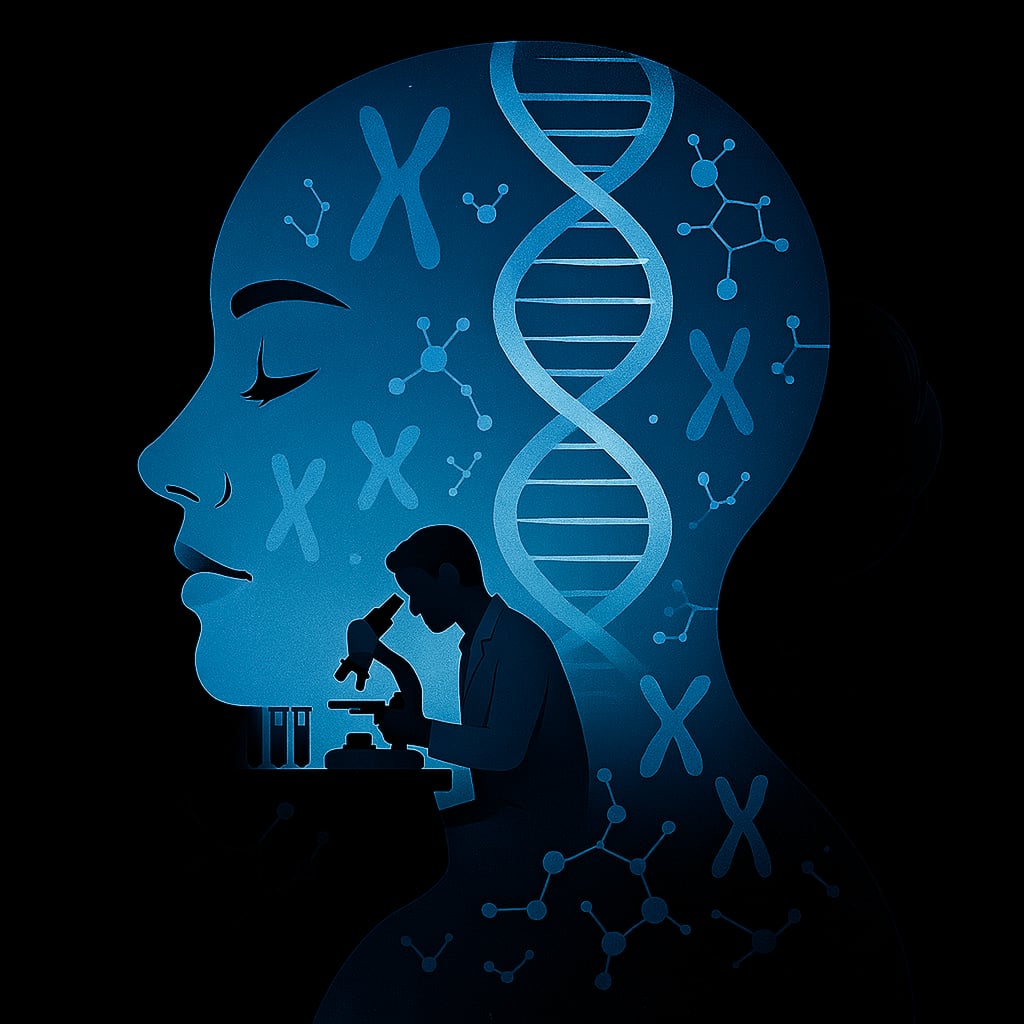
Investigate SORD gene expression in cancerous tumors
Cancerous tumors have significantly higher expression of the SORD gene compared to normal, non-cancerous tissue.
Eliminate SORD to halt cancer metastasis
In animal studies, when the SORD enzyme was genetically removed from mice with cancer, metastasis (the spread of cancer) was massively diminished.

Understand soda's role in cancer spread through SORD enzyme
An enzyme called SORD is the newly discovered linchpin that explains how the combination of glucose and fructose in soda makes cancer spread more aggressively.
Inhibit SORD enzyme to disrupt fructose-fueled cancer growth
The SORD enzyme converts fructose to sorbitol, a process that increases NAD levels within the cell, which in turn activates the pro-invasion behavior of cancer cells.
Link sugar-sweetened beverages to increased cancer risk
Beyond animal models, several human studies also link sugar-sweetened beverages to higher cancer rates, even after controlling for diet quality and body weight.
Limit fructose and glucose to reduce colorectal cancer aggression
The combination of fructose plus glucose, common in soda, makes colorectal cancer cells significantly more aggressive and invasive compared to glucose alone.
Avoid soda and sugary drinks if diagnosed with colorectal cancer
A justified conclusion from the research is to avoid soda and other sugary drinks if you currently suffer from colorectal cancer.
More from
Physionic

Dave Asprey: Animal Protein is Better, but Don’t eat THIS Animal Protein!

Cheap, Revolutionary Blood Test can Predict your Alzheimer’s Disease Risk
Don’t be Fooled by Coronary Artery Calcium score of 0…

Detox Expert: The Perfect Cleanse to reset your Gut!
The King of Protein, Whey, Finally Defeated by a Newcomer?
You also might be interested in
How Bad Is Taco Bell REALLY?
The EXACT Moment I Stopped Fearing Dementia
Early Detection Saved Me: Maria Menounos on Becoming the CEO of Your Health

Thyroid function and hypothyroidism: why current diagnosis and treatment fall short for many, and how new approaches are transforming care | Antonio Bianco, M.D., Ph.D.
Starving Cancer: The Hidden Power of Food, Fasting, and the Body’s Inner Terrain