We get "Significantly Older" Twice in our Lives, according to massive new Study
Physionic
2 sept 2024
Mindsip insights from this episode:
Recognize limitations of blood data in health assessments
The study's findings are limited to changes in the blood, which may not extend to what is happening in the body's other tissues.

Recognize varied aging patterns in molecular changes
When splitting up the data, the peaks of molecular change are not always at ages 44 and 60, with some measures like lipidomics (fats) showing no peak at 60.
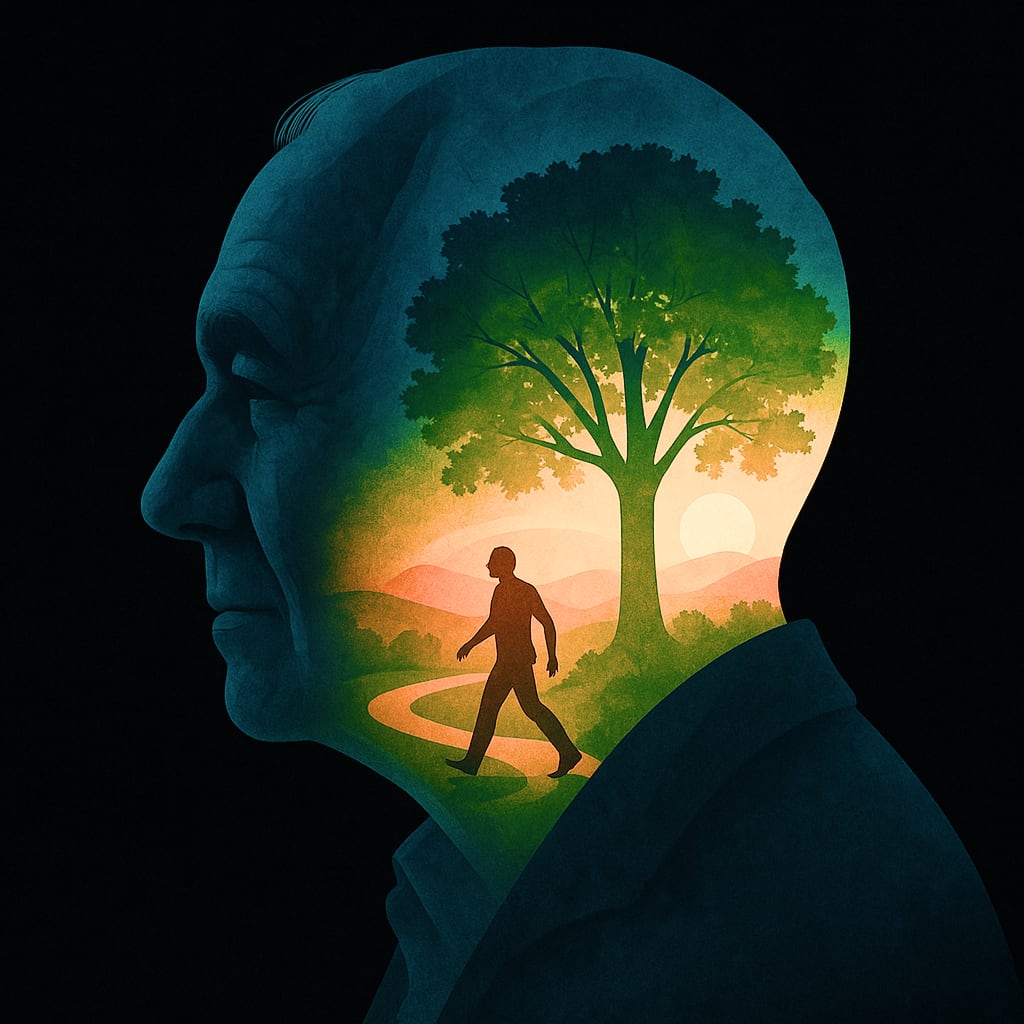
Recognize third aging peak at 78 for better health strategies
While the discussed study's analysis didn't extend this far, other research indicates a third molecular peak of aging occurs around 78 years old.
Reevaluate aging perceptions beyond two significant points
The popular interpretation that we age heavily at two points is likely inaccurate; rather, these are ages with the most significant molecular differences compared to younger individuals.
Understand non-linear patterns of biological aging
The molecular changes that track with age do not increase steadily and linearly, but rather occur in non-linear waves with ups and downs.
Recognize correlation without assuming causation in aging research
This analysis simply shows a relationship between molecular disparities and age, but it doesn't prove that these molecular differences directly cause the aging process.
More from
Physionic
Dave Asprey: Animal Protein is Better, but Don’t eat THIS Animal Protein!

Cheap, Revolutionary Blood Test can Predict your Alzheimer’s Disease Risk
Don’t be Fooled by Coronary Artery Calcium score of 0…
Detox Expert: The Perfect Cleanse to reset your Gut!
The King of Protein, Whey, Finally Defeated by a Newcomer?
You also might be interested in

STOP Intermittent Fasting If You Want to Stay Young
6 Simple Rules for a Long, Healthy Life w/ Dr. Ezekiel Emanuel

AMA #78: Longevity interventions, exercise, diagnostic screening, and managing high apoB, hypertension, metabolic health, and more
The Boring Secret Behind Celebrities Who Don’t Age
The Truth About What’s Failing in Longevity Science