Got Truth? Rethinking Dairy, Calcium, and Bone Health

Mark Hyman

3 nov 2025
Episode description

Milk has long been sold as the key to strong bones, but research challenges that claim: many people don’t tolerate dairy, calcium needs are lower than advertised, and higher milk intake doesn’t necessarily prevent fractures. Politics and industry marketing helped set “three glasses a day,” even though healthy bones depend more on overall diet and lifestyle—things like vitamin D, movement, and avoiding soda, excess sugar, and stress that drive calcium loss. Dairy may be helpful for some diets, but it can also trigger bloating, acne, congestion, or digestive issues. The good news is that strong bones and good nutrition are still very doable without cow’s milk—think leafy greens, sardines, almonds, chia, and sunshine for vitamin D.

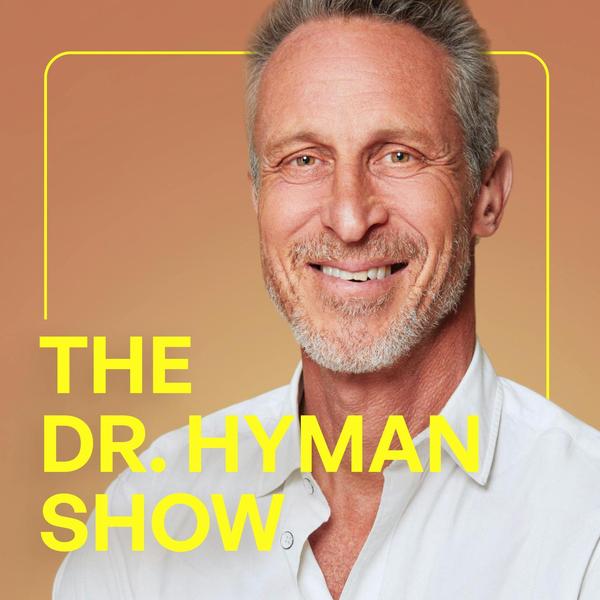
In this episode, I discuss, along with Dr. David Ludwig and Dr. Elizabeth Boham why bone health depends more on diet, lifestyle, and nutrient balance than on dairy.

David S. Ludwig, MD, PhD, is an endocrinologist and researcher at Boston Children’s Hospital, Professor of Pediatrics at Harvard Medical School, and Professor of Nutrition at the Harvard T.H. Chan School of Public Health. He co-directs the New Balance Foundation Obesity Prevention Center and founded the Optimal Weight for Life (OWL) program, one of the nation’s largest clinics for children with obesity. For over 25 years, Dr. Ludwig has studied how diet composition affects metabolism, body weight, and chronic disease risk, focusing on low glycemic index, low-carbohydrate, and ketogenic diets. Called an “obesity warrior” by Time Magazine, he has championed policy changes to improve the food environment. A Principal Investigator on numerous NIH and philanthropic grants, Dr. Ludwig has published over 200 scientific articles and three books for the public, including the #1 New York Times bestseller Always, Hungry?

Dr. Elizabeth Boham is Board Certified in Family Medicine from Albany Medical School, and she is an Institute for Functional Medicine Certified Practitioner and the Medical Director of The UltraWellness Center. Dr. Boham lectures on a variety of topics, including Women’s Health and Breast Cancer Prevention, insulin resistance, heart health, weight control and allergies. She is on the faculty for the Institute for Functional Medicine.

This episode is brought to you by BIOptimizers.

Head to bioptimizers.com/hyman and use code HYMAN to save 15%.

Full-length episodes can be found here:
Why Most Everything We Were Told About Dairy Is Wrong

Is It Okay To Eat Cheese And What Types Of Dairy Should You Avoid?

Is Lactose Intolerance Causing Your Gu

Episode description

Milk has long been sold as the key to strong bones, but research challenges that claim: many people don’t tolerate dairy, calcium needs are lower than advertised, and higher milk intake doesn’t necessarily prevent fractures. Politics and industry marketing helped set “three glasses a day,” even though healthy bones depend more on overall diet and lifestyle—things like vitamin D, movement, and avoiding soda, excess sugar, and stress that drive calcium loss. Dairy may be helpful for some diets, but it can also trigger bloating, acne, congestion, or digestive issues. The good news is that strong bones and good nutrition are still very doable without cow’s milk—think leafy greens, sardines, almonds, chia, and sunshine for vitamin D.

In this episode, I discuss, along with Dr. David Ludwig and Dr. Elizabeth Boham why bone health depends more on diet, lifestyle, and nutrient balance than on dairy.

David S. Ludwig, MD, PhD, is an endocrinologist and researcher at Boston Children’s Hospital, Professor of Pediatrics at Harvard Medical School, and Professor of Nutrition at the Harvard T.H. Chan School of Public Health. He co-directs the New Balance Foundation Obesity Prevention Center and founded the Optimal Weight for Life (OWL) program, one of the nation’s largest clinics for children with obesity. For over 25 years, Dr. Ludwig has studied how diet composition affects metabolism, body weight, and chronic disease risk, focusing on low glycemic index, low-carbohydrate, and ketogenic diets. Called an “obesity warrior” by Time Magazine, he has championed policy changes to improve the food environment. A Principal Investigator on numerous NIH and philanthropic grants, Dr. Ludwig has published over 200 scientific articles and three books for the public, including the #1 New York Times bestseller Always, Hungry?

Dr. Elizabeth Boham is Board Certified in Family Medicine from Albany Medical School, and she is an Institute for Functional Medicine Certified Practitioner and the Medical Director of The UltraWellness Center. Dr. Boham lectures on a variety of topics, including Women’s Health and Breast Cancer Prevention, insulin resistance, heart health, weight control and allergies. She is on the faculty for the Institute for Functional Medicine.

This episode is brought to you by BIOptimizers.

Head to bioptimizers.com/hyman and use code HYMAN to save 15%.

Full-length episodes can be found here:
Why Most Everything We Were Told About Dairy Is Wrong

Is It Okay To Eat Cheese And What Types Of Dairy Should You Avoid?

Is Lactose Intolerance Causing Your Gu

Mindsip insights from this episode:

Choose Magnesium Breakthrough for optimal sleep and recovery

The speaker recommends Magnesium Breakthrough from Bioptimizers because it contains all seven forms of magnesium your body needs for sleep, stress, and recovery.

Recognize lactose intolerance can develop at any age

You can develop an inability to digest dairy at any point in life, as it often increases with age or can be triggered by an infection, inflammation, or antibiotics.

Reassess calcium intake recommendations for better health

The recommendation to consume over 1,000 mg of calcium daily is based on flawed, short-term studies, and many populations are healthy with as little as 300 mg per day.

Maintain net calcium balance to prevent bone loss

Your net calcium balance is more important than total intake, as stress, caffeine, alcohol, sugar, and a sedentary lifestyle all cause you to lose calcium from your bones.

Challenge false health claims in milk advertising

The famous "Got Milk?" campaign was a government-supported program that the Federal Trade Commission forced off the air because its health claims were scientifically unproven.
Reevaluate milk consumption to mitigate fracture risk

Milk consumption in childhood accelerates growth, and the resulting increased height is a major risk factor for bone fractures in adulthood.

Limit milk consumption to reduce hormone exposure and cancer risk

An average glass of milk contains about 60 different naturally occurring hormones and growth factors that are designed to grow a calf and may promote cancer cell growth in humans.

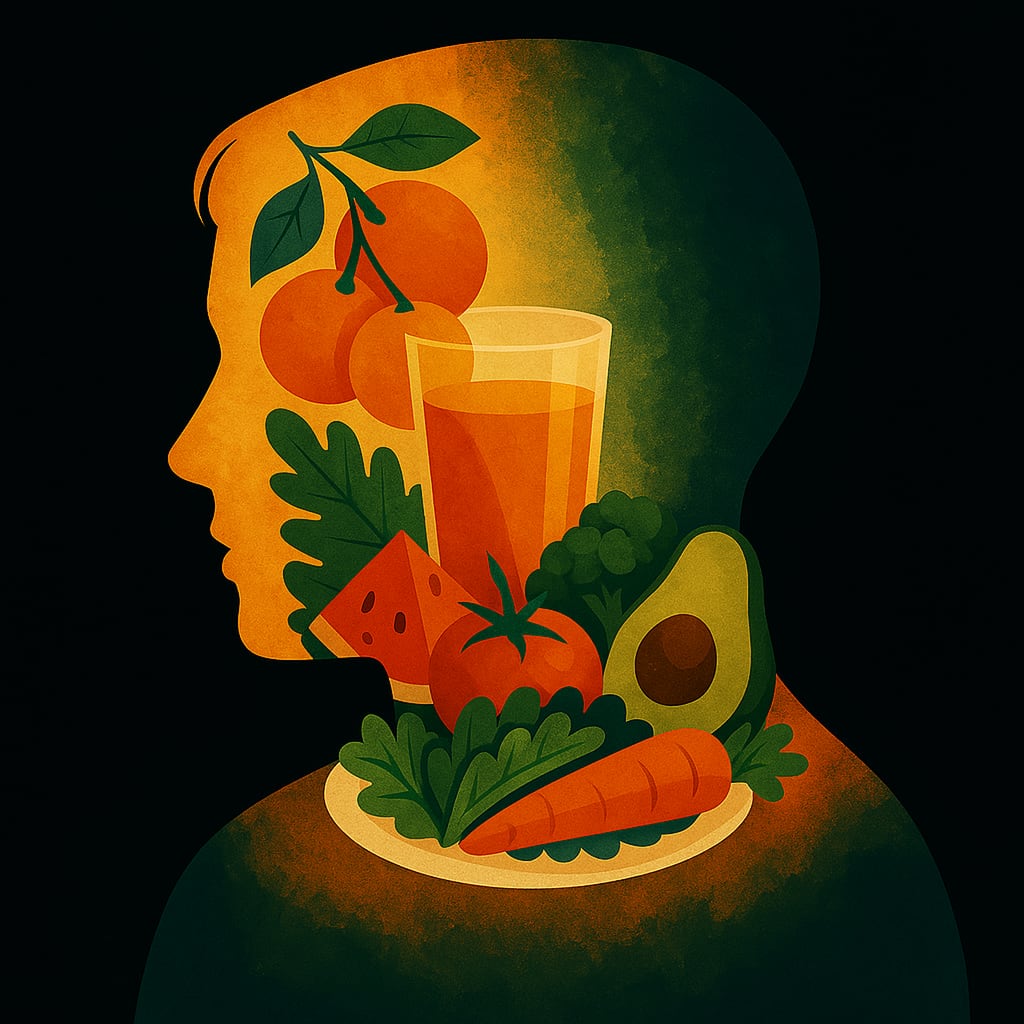
Choose seeds over milk for calcium intake

A quarter cup of sesame seeds (tahini) has 351 mg of calcium, more than double the amount in a 4-ounce glass of milk.

DESCARGA LA APLICACIÓN

Descubre la sabiduría de la longevidad

DESCARGA LA APLICACIÓN

Descubre la sabiduría de la longevidad

DESCARGA LA APLICACIÓN

Descubre la sabiduría de la longevidad