Alzheimer's disease in women: how hormonal transitions impact the female brain, the role of HRT, genetics, and lifestyle on risk, and emerging diagnostics and therapies | Lisa Mosconi, Ph.D.

Peter Attia

26 ene 2026

Episode description

View the Show Notes Page for This Episode

Become a Member to Receive Exclusive Content

Sign Up to Receive Peter's Weekly Newsletter

Lisa Mosconi is a world-renowned neuroscientist and the director of the Women's Brain Initiative at Weill Cornell Medicine, where she studies how sex differences and hormonal transitions influence brain aging and Alzheimer's disease risk. In this episode, Lisa explores why Alzheimer's disease disproportionately affects women and why longer lifespan alone does not explain their nearly twofold risk compared to men. She explains why Alzheimer's disease may be best understood as a midlife disease for women, beginning decades before symptoms appear, and how menopause represents a fundamental brain event that reshapes brain energy use, structure, and immune signaling. The conversation also examines what advanced brain imaging reveals about preclinical Alzheimer's disease, estrogen receptors in the brain, and why genetic risks such as APOE4 appear to affect women differently from men. Finally, Lisa discusses the nuanced evidence around menopause hormone therapy, the legacy of the WHI, her new CARE Initiative to cut women's Alzheimer's risk in half by 2050, and practical, evidence-based strategies to support brain health through midlife—including lifestyle, sleep, metabolism, mood, and emerging therapies such as GLP-1 agonists and SERMs (selective estrogen receptor modulators).

We discuss:

  • How Lisa's personal family history and scientific background led her to focus on the intersection of women's health, brain aging, and Alzheimer's disease (AD) [2:45];

  • The long preclinical phase of AD and the emotional burden carried by patients before dementia becomes severe [7:15];

  • How AD compares to other common forms of dementia: prevalence, pathology, symptoms, diagnostic challenges, and more [10:45];

  • Why AD disproportionately affects women: how AD is not simply a disease of old age or longevity but a midlife disease in which women develop pathology earlier [16:15];

  • Menopause as a leading explanation for women's increased Alzheimer's risk, and how advanced braining imaging can detect early changes in the brain [26:15];

  • How a new method for imaging estrogen receptors in the brain is changing how we think about the menopause transition [35:45];

  • What estrogen receptor imaging can and cannot tell us about horm

Episode description

View the Show Notes Page for This Episode

Become a Member to Receive Exclusive Content

Sign Up to Receive Peter's Weekly Newsletter

Lisa Mosconi is a world-renowned neuroscientist and the director of the Women's Brain Initiative at Weill Cornell Medicine, where she studies how sex differences and hormonal transitions influence brain aging and Alzheimer's disease risk. In this episode, Lisa explores why Alzheimer's disease disproportionately affects women and why longer lifespan alone does not explain their nearly twofold risk compared to men. She explains why Alzheimer's disease may be best understood as a midlife disease for women, beginning decades before symptoms appear, and how menopause represents a fundamental brain event that reshapes brain energy use, structure, and immune signaling. The conversation also examines what advanced brain imaging reveals about preclinical Alzheimer's disease, estrogen receptors in the brain, and why genetic risks such as APOE4 appear to affect women differently from men. Finally, Lisa discusses the nuanced evidence around menopause hormone therapy, the legacy of the WHI, her new CARE Initiative to cut women's Alzheimer's risk in half by 2050, and practical, evidence-based strategies to support brain health through midlife—including lifestyle, sleep, metabolism, mood, and emerging therapies such as GLP-1 agonists and SERMs (selective estrogen receptor modulators).

We discuss:

  • How Lisa's personal family history and scientific background led her to focus on the intersection of women's health, brain aging, and Alzheimer's disease (AD) [2:45];

  • The long preclinical phase of AD and the emotional burden carried by patients before dementia becomes severe [7:15];

  • How AD compares to other common forms of dementia: prevalence, pathology, symptoms, diagnostic challenges, and more [10:45];

  • Why AD disproportionately affects women: how AD is not simply a disease of old age or longevity but a midlife disease in which women develop pathology earlier [16:15];

  • Menopause as a leading explanation for women's increased Alzheimer's risk, and how advanced braining imaging can detect early changes in the brain [26:15];

  • How a new method for imaging estrogen receptors in the brain is changing how we think about the menopause transition [35:45];

  • What estrogen receptor imaging can and cannot tell us about horm

Mindsip insights from this episode:

Recognize Alzheimer's as a midlife disease to address early changes

Alzheimer's is not a disease of old age but rather a disease of midlife, with negative changes in the brain starting decades before symptoms appear.

Understand ApoE4 gene risk to address Alzheimer's in women

The ApoE4 gene increases Alzheimer's risk far more significantly in women, with one copy leading to a fourfold increase in risk and two copies leading to a 12-to-15-fold increase.

Increase in brain estrogen receptors post-menopause indicates compensation for loss

New imaging shows that contrary to previous belief, estrogen receptor density in the brain increases after menopause, suggesting the brain is trying to compensate for the loss of estrogen.

Explore Phytoserm to enhance brain cognition without reproductive impact

A new supplement called Phytoserm, a type of neurological selective estrogen receptor modulator (neuro-serm), is being studied for its ability to selectively support brain cognition without affecting reproductive organs.

Understand brain estrogen regulation beyond blood levels

Estrogen levels measured in the blood have very little to do with the levels in the brain, as the brain tightly regulates its own hormonal environment.

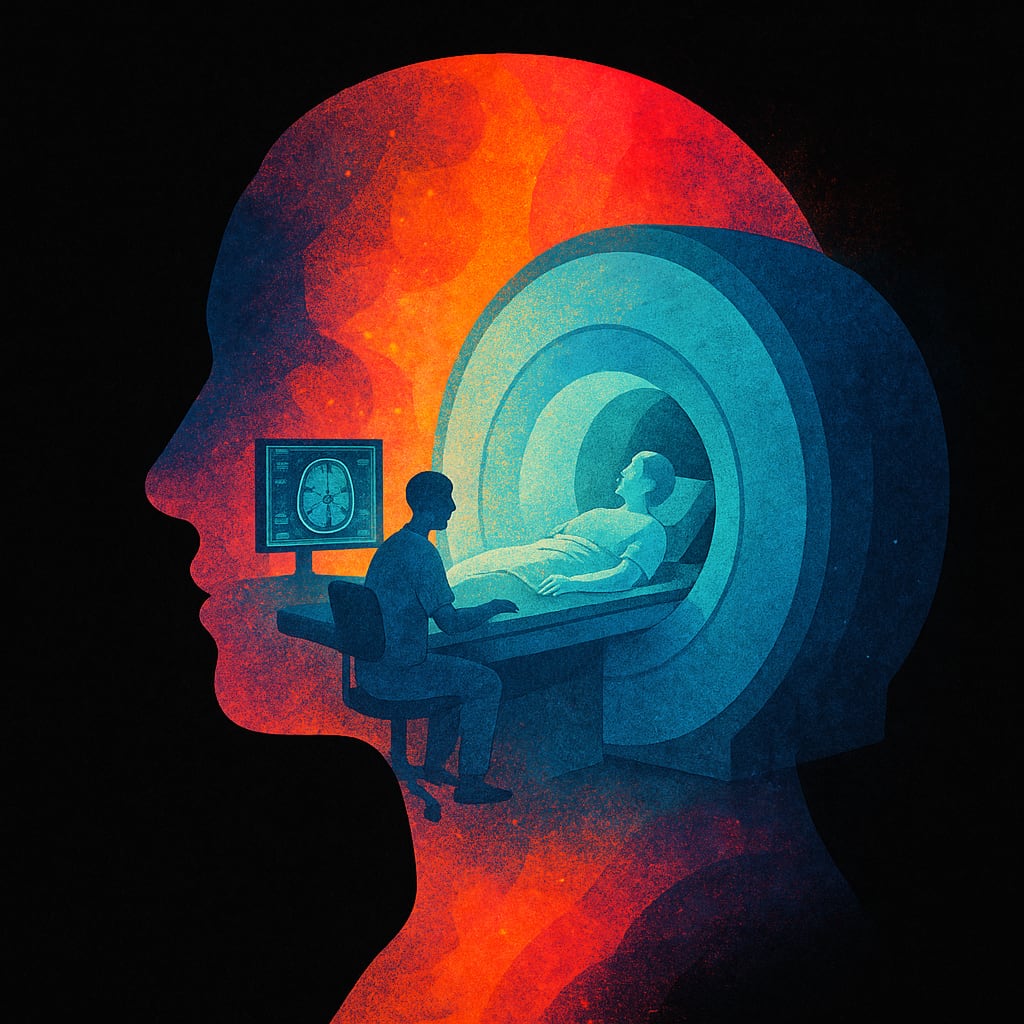
Utilize novel PET scan to measure brain estrogen receptors

A novel PET scan technique using a labeled estradiol tracer can now, for the first time, measure the density of estrogen receptors in the living human brain.
Commit to consistency for lasting brain health improvements

The brain is built for stability, so unlike the rest of the body, creating positive, lasting change in the brain through lifestyle interventions requires a very long and consistent effort.

DESCARGA LA APLICACIÓN

Descubre la sabiduría de la longevidad

DESCARGA LA APLICACIÓN

Descubre la sabiduría de la longevidad

DESCARGA LA APLICACIÓN

Descubre la sabiduría de la longevidad