Choices, costs, and challenges in US healthcare: insurance intricacies, drug pricing, economic impacts, and potential reforms | Saum Sutaria, M.D.
Peter Attia
2 dic 2024

Mindsip insights from this episode:
Prioritize consumer choice to address healthcare costs
The American healthcare system is defined not just by cost, quality, and access, but by a fourth prioritized variable, consumer choice, which allows the unconstrained cost to balloon.

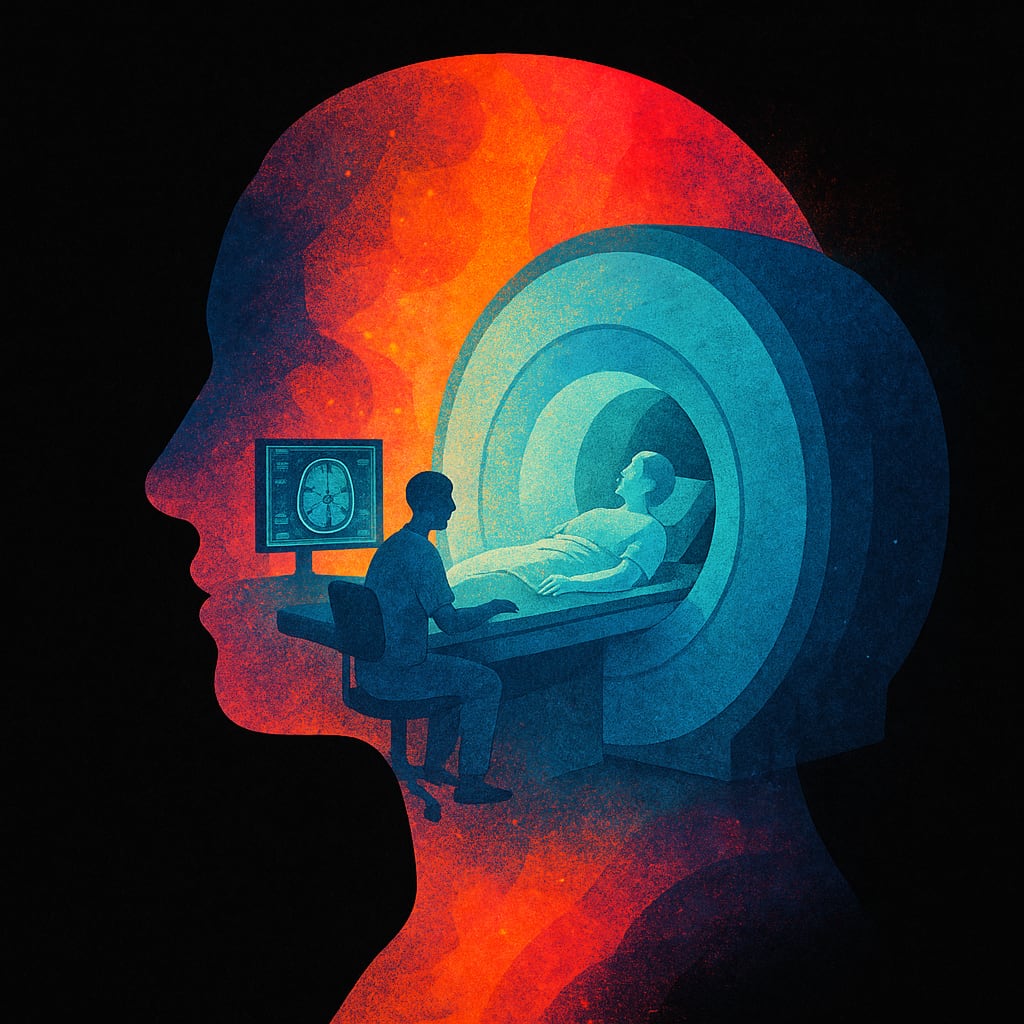
Embrace neuro-engineering to tackle dementia challenges
Because the blood-brain barrier limits pharmaceuticals, the biggest challenge of dementia will likely be solved by engineering-based solutions like neurostimulation, not traditional drugs.
Understand U.S. life expectancy paradox for better health outcomes
The U.S. lags behind other developed nations in life expectancy, but after age 70, the equation flips and American life expectancy becomes the best in the world.

Challenge PBMs to prevent inflated drug prices
Pharmacy Benefit Managers (PBMs) can create perverse incentives, reportedly forcing a drug company to triple a new drug's price to get it on a formulary in exchange for rebates.
Recognize U.S. role in subsidizing global drug development
The U.S. effectively subsidizes drug development for the rest of the world by paying significantly higher prices while other countries implement price controls.
Address stagnant physician compensation amid rising healthcare costs
Despite rising healthcare costs and medical school debt, real physician compensation on an inflation-adjusted basis has been flat or even declining since the early 1990s.
Reframe health insurance as a discount card for chronic care
Health insurance has evolved from protecting against rare, unpredictable events to functioning like a 'discount card' for predictable, chronic care, which is not a traditionally insurable event.
Understand healthcare spending distribution for cost management
After administrative costs, healthcare spending is split roughly into thirds between hospitals, physicians, and the drug and device category.
More from
Peter Attia

Alzheimer's disease in women: how hormonal transitions impact the female brain, the role of HRT, genetics, and lifestyle on risk, and emerging diagnostics and therapies | Lisa Mosconi, Ph.D.
Women's health and performance: how training, nutrition, and hormones interact across life stages | Abbie Smith-Ryan, Ph.D.
Building & Changing Habits | James Clear (#183 rebroadcast)
Special episode: Understanding true happiness and the tools to cultivate a meaningful life—insights from past interviews with Arthur Brooks
AMA #78: Longevity interventions, exercise, diagnostic screening, and managing high apoB, hypertension, metabolic health, and more
You also might be interested in
The One Thing Everyone Thinks They Can’t Afford… Until They Try It

I’m Scared for Our Country

What Happens When You Live Inside a Quantum Field? (Anti-Aging Secrets)

Is There *Actually* Any Research On QUANTUM Fields Affecting Your Health? (You'll Be Blown Away By What You Learn!) With Ian Mitchell & Philipp von Holtzendorff-Fehling

Should YOU Carry A Gun & Knive To Protect Yourself? Self-Defense & Protection 101 With Navy SEAL Turned Preparedness Expert Bill Rapier.