How to Double Your Energy! – Ari Whitten
Dave Asprey
9 may 2024

Mindsip insights from this episode:
Prevent mitochondrial loss by embracing hormetic stress
The typical 50% loss of mitochondrial capacity by age 40 is not a natural part of aging but a preventable result of a lack of hormetic stress.
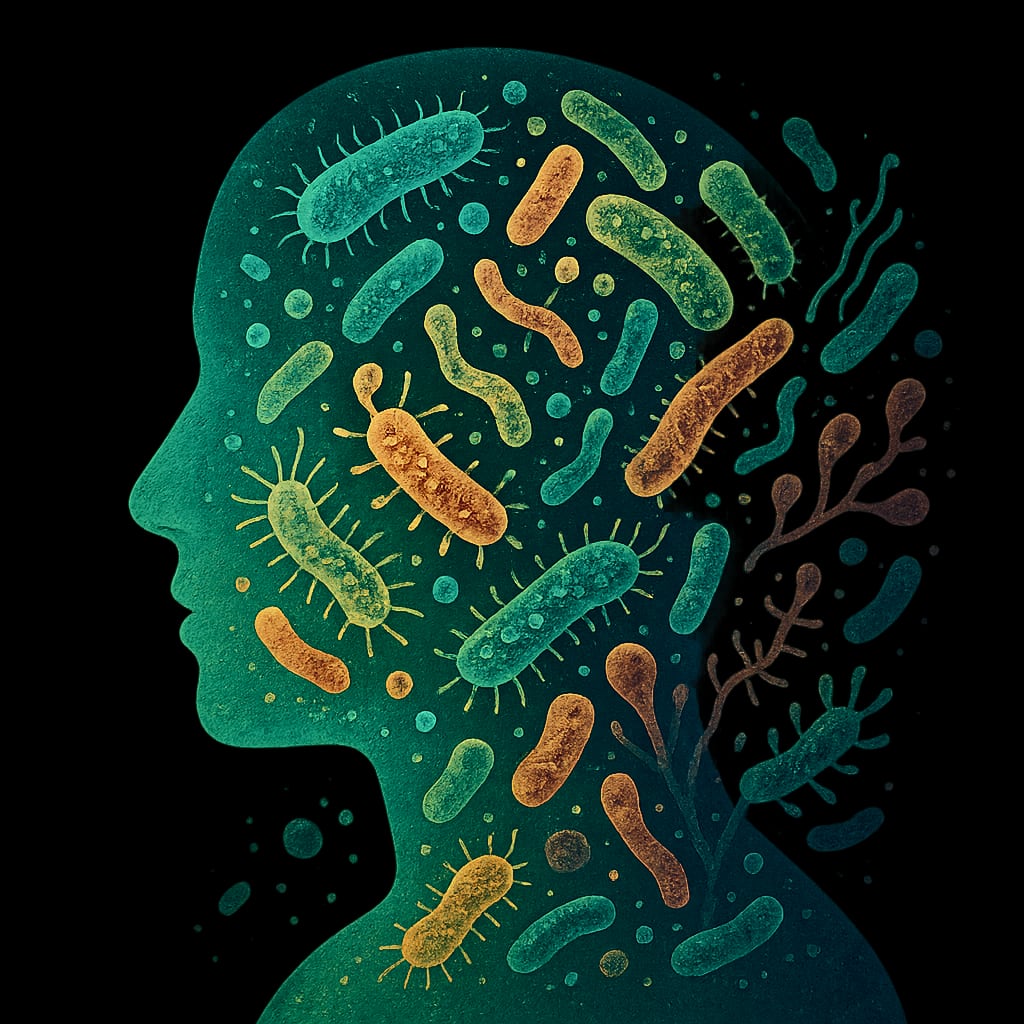
Understand mitochondria as intelligent energy regulators
Mitochondria are not just power plants but intelligent sensors that decide whether your cells should be in energy mode or defense mode based on perceived threats.

Recognize biological anxiety as a physical stress response
A significant portion of anxiety may be 'biological anxiety,' a physical stress response from your mitochondria sensing they are under attack, not a purely mental state.

Leverage melanin as a biological battery for skin resilience
The skin pigment melanin acts like a biological capacitor, storing and releasing small amounts of energy, which contributes to skin resilience beyond just UV protection.
Stimulate mitochondrial melatonin production with red light exposure
New research suggests red and near-infrared light exposure stimulates mitochondria to produce their own melatonin, an essential antioxidant, independent of the pineal gland.

Avoid eating after sunset to enhance insulin sensitivity
Eating after dark is particularly harmful because naturally rising melatonin induces a state of insulin resistance, impairing your ability to process the food.
Enhance mitochondrial capacity to boost resilience
Physiological resilience is determined by your mitochondrial capacity; the more mitochondria you have, the higher your threshold for tolerating stress before fatigue sets in.
Exercise caution with mitochondrial peptides to avoid harm
Using peptides like MOTS-c to 'rev up' mitochondria can be harmful if your cells are in 'defense mode' due to toxins, as it forces them to burn dirty fuel.

More from
Dave Asprey


You also might be interested in
Office Hours: Cholesterol and Heart Disease — What I’ve Changed My Mind About

The Surprising Science Of Injecting Young Blood, Salmon Sperm & Stem Cells Into Your Face (And Other Places) With Dr. Khanh Nguyen

How To Be "Forever Strong", Creating The Right Amount of FRICTION In Your Life, Official Protein Rules & More, With Dr. Gabrielle Lyon
Why Men’s Fertility Is Collapsing and What It Means for Our Future | Dr. Michael L. Eisenberg
Office Hours: Preparing Your Body for Pregnancy — Fertility, Nutrition & Hormones