Muscle Preservation with GLP-1 Drugs - Dr. Anurag Singh
Dave Asprey
2 may 2024

Mindsip insights from this episode:
Combine GLP-1 agonists and myostatin inhibitors for effective weight loss
The next generation of weight loss drugs will likely combine GLP-1 agonists with myostatin inhibitors to prevent the significant muscle loss seen with current versions.
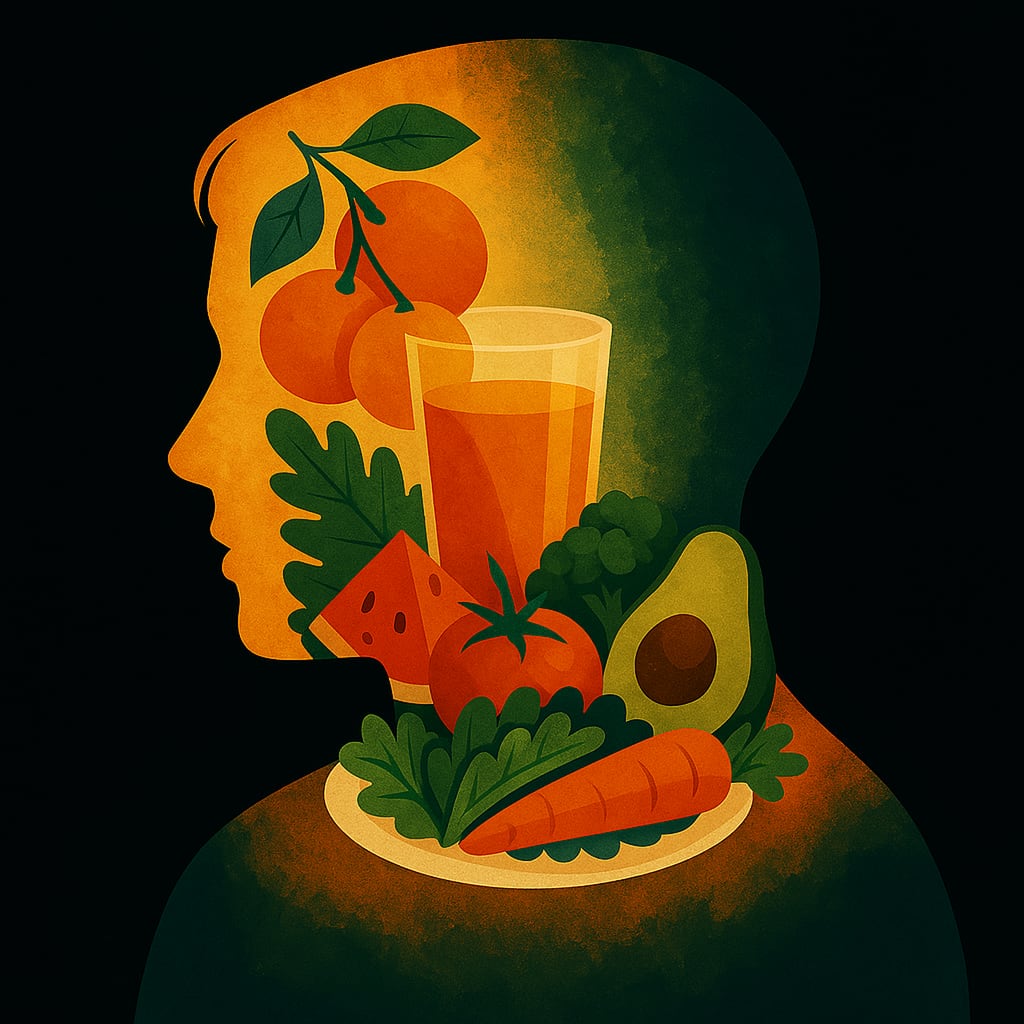
Beware oxalic acid in raspberries to protect urinary health
Raspberries are surprisingly high in oxalic acid, which can form sharp microscopic crystals that irritate the urinary tract and cause tissue calcification.

Discover Urolithin A benefits from acorn-fed pigs
The postbiotic Urolithin A was first discovered by studying Iberian pigs whose muscles were rich in the compound from eating acorns.

Recognize "Ozempic face" as a sign of starvation
The "Ozempic face" phenomenon is essentially a starvation look caused by rapid fat loss that compromises the mitochondria in your skin.

Beware GLP-1 drugs' impact on gut microbiome
Because GLP-1 drugs delay gastric emptying, there is a high probability they will negatively alter your gut microbiome by allowing food to rot in your gut.
Commit to protein intake and resistance training with GLP-1 drugs
GLP-1 drugs are considered dangerous unless you also commit to eating one gram of protein per pound of body weight and doing resistance training.
Maintain youthful mitochondria for vibrant health
Under a microscope, the mitochondria of a healthy 75-year-old can look like those of a 30-year-old, while unhealthy mitochondria resemble a bowl of spaghetti.

Limit fasting to lower cortisol and support thyroid function
Fasting too much can be a metabolic stressor that raises cortisol and suppresses thyroid function, making it harder to lose weight.
Avoid GLP-1 drugs to prevent rapid muscle loss
Using GLP-1 drugs like Ozempic can cause you to lose the equivalent of 10 years of age-related muscle mass in just one year.
More from
Dave Asprey

You also might be interested in
Office Hours: Cholesterol and Heart Disease — What I’ve Changed My Mind About

The Surprising Science Of Injecting Young Blood, Salmon Sperm & Stem Cells Into Your Face (And Other Places) With Dr. Khanh Nguyen

How To Be "Forever Strong", Creating The Right Amount of FRICTION In Your Life, Official Protein Rules & More, With Dr. Gabrielle Lyon
Why Men’s Fertility Is Collapsing and What It Means for Our Future | Dr. Michael L. Eisenberg
Office Hours: Preparing Your Body for Pregnancy — Fertility, Nutrition & Hormones