This Brain Trick Feels Like Cheating (Do THIS)
Dave Asprey
Jan 22, 2026
Episode description
Most brain decline, mood instability, and impulsive behavior start with a breakdown in how the brain’s immune cells produce and use energy. This episode shows how mitochondrial health inside microglia influences cognition, emotion, and long-term brain resilience, and how everyday inputs quietly push those systems toward damage or repair.
Watch this episode on YouTube for the full video experience:
https://www.youtube.com/@DaveAspreyBPR
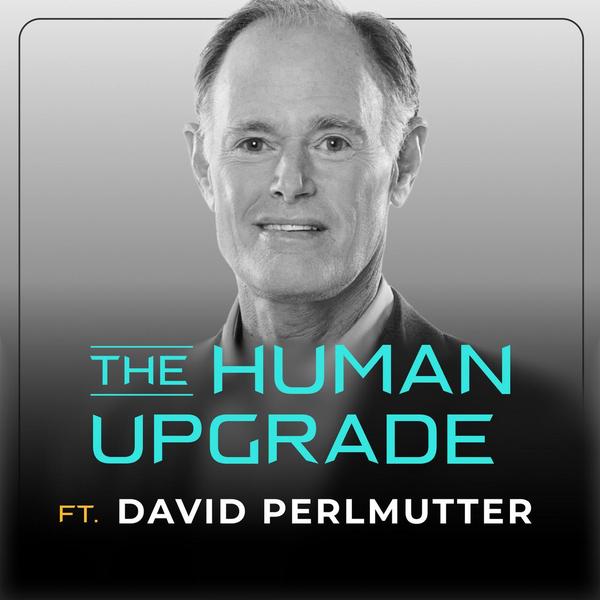
Host Dave Asprey is joined by Dr. David Perlmutter, a board-certified neurologist and six-time New York Times bestselling author whose work focuses on the intersection of neurology, nutrition, metabolism, and brain health. A Fellow of the American College of Nutrition and member of the Editorial Board of the Journal of Alzheimer’s Disease, Dr. Perlmutter brings decades of clinical and research experience to this conversation on how inflammation and mitochondrial function shape the brain across the lifespan.
Together, they explore how microglial cells shift their behavior based on metabolic conditions, and how those shifts influence neurodegeneration, emotional regulation, impulse control, and cognitive performance. The discussion covers real-world inputs that shape these systems, including sleep optimization, fasting, ketosis, glucose regulation, gut signaling, environmental toxins, and tools referenced in the episode such as red and infrared light, 40 Hz light and sound, hyperbaric oxygen, lithium, nicotine, supplements, nootropics, GLP-1 agonists, and dietary approaches like carnivore and ketosis. The conversation connects brain biology to lived experience, showing how metabolism influences behavior, decision making, and long-term human performance through a Smarter Not Harder lens.
You’ll Learn:
• How microglia shift between supportive and destructive states and why metabolism drives that change
• How mitochondrial function inside immune cells influences inflammation and brain resilience
• How inflammation affects the prefrontal cortex, impulse control, and reward-driven behavior
• What the episode says about GLP-1 agonists and behavior changes like reduced cravings and gambling
• How gut-derived signaling and short-chain fatty acid balance (butyrate vs propionate) relates to brain function
• How tools like red and infrared light, hyperbaric oxygen, and 40 Hz light and sound connect to microglia
• The lifestyle levers discussed in the episode: sleep optimization, fasting, ketosis, glucose control, and toxin reduction
• The compounds mentioned, including lithium, nicotine, urolithin A, CoQ10, rosmarinic acid, and dihydromyricetin
Dave Asprey is a four time New York Times bestselling author, founder of Bulletproof Coffee, and the father of biohacking. With over 1,000
Mindsip insights from this episode:
Regulate mitochondria to improve ego and behavior
The human ego is proposed to be a direct manifestation of mitochondrial function, meaning if your mitochondria are dysregulated, you are more likely to act like a jerk.

Prevent microglia from becoming destructive brain zombies
Once triggered by a toxin or injury, microglia can shift into a destructive 'evil twin' state and remain that way for life, spreading damage by converting other healthy microglia.
Utilize GLP-1 drugs to halt Parkinson's progression
A 2024 study found that a GLP-1 agonist drug, known for weight loss, completely arrested the progression of Parkinson's disease by modifying brain immune cell metabolism.

Target microglial metabolism with lithium for supportive health
The mineral lithium, often taken as lithium orotate, works by directly targeting the metabolism of microglial cells to keep them in a supportive, rather than destructive, state.

Reduce inflammation to enhance decision-making clarity
Inflammation severs the neural pathway to your prefrontal cortex, locking you into impulsive, amygdala-driven behavior and poor decision-making.
Address dysfunctional mitochondria to combat Alzheimer's
The root cause of beta-amyloid accumulation in Alzheimer's is not the protein itself, but dysfunctional mitochondria within the brain's immune cells.

Leverage GLP-1 drugs to reduce addictive behaviors
The widespread use of GLP-1 agonist drugs like Ozempic is having an unexpected effect on the economy by reducing addictive behaviors like gambling and binge shopping.
Recognize microglia as brain's controlling immune cells
Contrary to popular belief, the brain's immune cells (microglia) are the 'overlords' that control the function of neurons, which are merely the 'worker bees'.
More from
Dave Asprey

This Ancient Hack Reverses Aging In 72 Hours

Jordan Harbinger: Fight-or-Flight, Two Kidnappings, and the Wallet Ruining Your Spine

The Foods, Drinks, and Daily Habits Wrecking Your Brain (Surprising!) | David Perlmutter

The 1910 Secret: How Light Turns Water Into Medicine | Brain Richards

I Tried EVERY Legal Focus Drug, Here’s What Actually Works
You also might be interested in
How to Improve Your Memory & Cognitive Function at Any Age | Dr. Alan Castel

How Brain Inflammation Drives Depression, Alzheimer's, and Parkinson's

Danny McBride on Leaving Hollywood, the Collapse of Comedy & Doomscrolling’s Impact
Your Nervous System Controls Your Gut, Hormones, and Weight — Here's How to Fix It

Pro Athlete Performance Doctor on Nicotine, Peptides, Wearables, and Expensive Youth Sports