Using Light (Sunlight, Blue Light & Red Light) to Optimize Health | Huberman Lab Essentials
Andrew Huberman
Feb 26, 2026
Episode description
In this Huberman Lab Essentials episode, I explore how different wavelengths of light affect the human body and how light exposure can improve sleep quality, mood and daytime alertness while supporting healthy hormone regulation. I also discuss the therapeutic use of ultraviolet and infrared/red light for a wide variety of benefits, including improved skin health and offsetting age-related vision loss. I explain the biological mechanisms behind these light-based therapies and offer practical tools that listeners can use to improve both their mental and physical well-being.
Show notes: https://go.hubermanlab.com/HDM1kqz
Watch more Huberman Lab Essentials: https://youtube.com/playlist?list=PLPNW_gerXa4OGNy1yE-W9IX-tPu-tJa7S&si=a1_sA7rUT-fE0OM5
Timestamps
00:00:00 Light
00:00:47 Physics of Light
00:01:57 Light & Body, Rods & Cones, Skin, Seasons & Melatonin
00:05:01 Melatonin Supplements?, Tool: Seasonal Sun Exposure; Reduce Night Light
00:09:15 Light, UVB, Skin Exposure, Testosterone & Estrogen, Fertility
00:12:38 UVB Light & Improved Pain Tolerance
00:14:54 Tool: Daily Sunlight Exposure Protocol; Blue Blockers
00:17:08 Seasonal Affective Disorder (SAD), Year-Round Sunlight Exposure
00:19:16 Enhanced Immune Function & UVB Light, Tool: Winter Light Exposure
00:21:37 Light, Wound Healing, Hair & Nail Growth
00:23:03 Tool: Mood, Dopamine & Avoid Nighttime UVB Light
00:25:38 Red Light Therapy, Infrared Light, Acne, Wound Healing & Scars; Mitochondria
00:29:19 Offset Age-Related Eyesight Decline, Red Light
00:33:35 Tool: Red Light Protocol, Frequency & Timing
00:36:15 Red Light for Shift Workers
00:37:55 Recap
#HubermanLab #Science
Disclaimer & Disclosures: https://www.hubermanlab.com/disclaimer
Mindsip insights from this episode:
Increase pain tolerance with UVB exposure to eyes
UVB exposure to the eyes triggers the release of endogenous opioids, which act as natural painkillers and increase your tolerance for pain.

Avoid daytime blue blockers to enhance hormonal balance and pain relief
Wearing blue blockers during the day is likely a disservice as you are blocking the short-wavelength light needed for powerful biological effects on hormones and pain reduction.
Enhance vision over 40 with daily red light exposure
In individuals 40 years or older, viewing 670nm red light for a few minutes daily can improve visual acuity by rejuvenating aging photoreceptor cells in the eye.
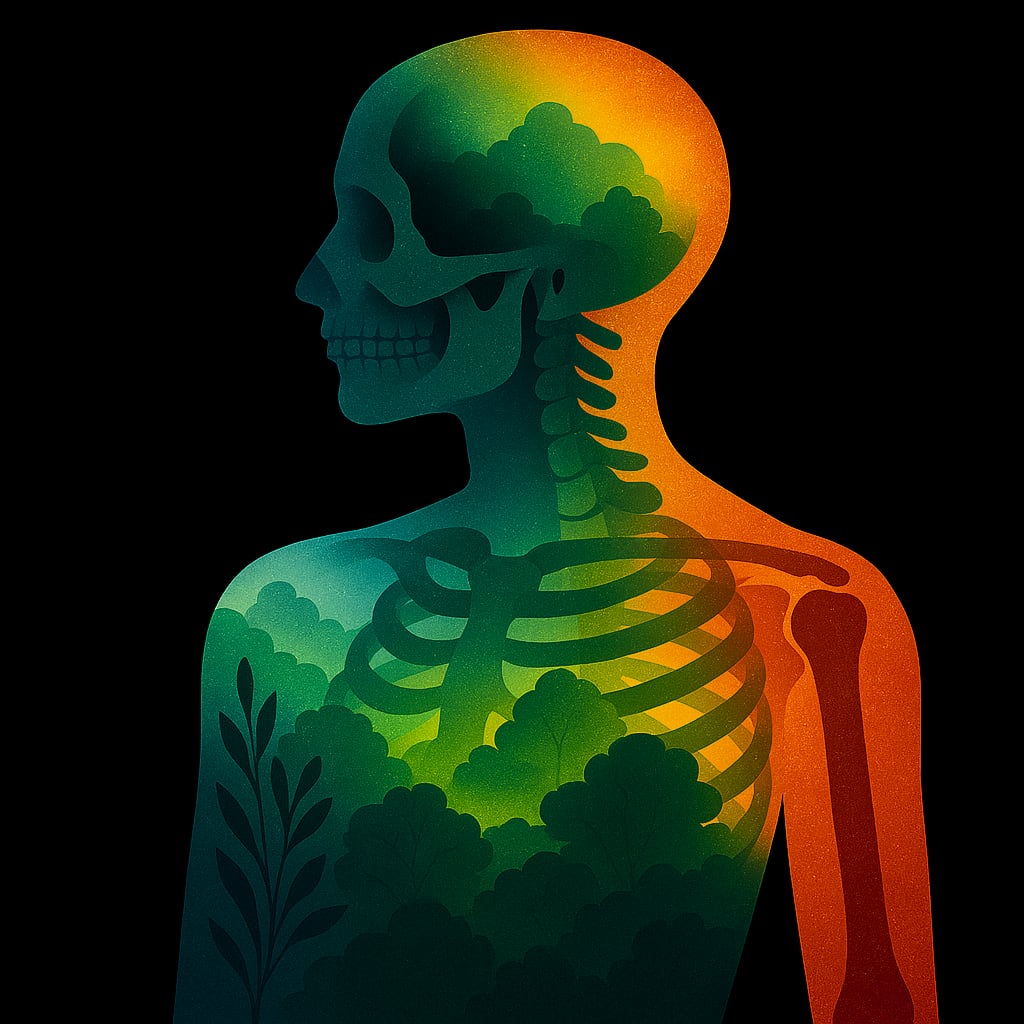
Maximize skin UVB exposure to boost testosterone and estrogen
It is the exposure of your skin to UVB light, not your eyes, that triggers increases in the hormones testosterone and estrogen.
Avoid high-dose melatonin supplements to protect gonad function
Most melatonin supplements contain doses that are far too high to be physiological and can have unintended effects beyond just sleep, such as suppressing gonad function.

Utilize UVB light to enhance skin and hair health
UVB light exposure to the melanopsin cells in your eyes is critical for triggering the turnover of stem cells in your skin, hair, and nails.
Seek direct sunlight for optimal UVB exposure
Trying to get beneficial sunlight exposure through a car windshield or a window won't work because most windows are designed to filter out UVB light.
Utilize red light for late-night wakefulness
If you need to be awake late at night, red light is the best choice as it is less likely to inhibit melatonin or disrupt your cortisol rhythm compared to other light colors.

Avoid bright artificial light from 10 pm to 4 am for mood protection
To protect your mood and dopamine levels, you should avoid exposure to bright artificial light between the hours of 10 pm and 4 am.
Keep evening lights low to minimize sleep disruption
To minimize sleep disruption, place any artificial lights you use in the evening low in your physical environment, as the light-sensitive cells in your eyes primarily detect light from above.
More from
Andrew Huberman
How to Improve Your Memory & Cognitive Function at Any Age | Dr. Alan Castel

Raising a Dog & Mastering Calm Assertive Energy | Cesar Millan
Essentials: Tools for Hormone Optimization in Males | Dr. Kyle Gillett

Movement Practice to Strengthen Your Mind-Body Connection | Ido Portal

Essentials: The Science of Eating for Health, Fat Loss & Lean Muscle | Dr. Layne Norton
You also might be interested in
Could Mold Be Making You Sick? Symptoms, Testing, and Recovery
The Grad Student Who Broke Microplastics Research
What Happens Behind The Scenes At A “Detox Clinic” (& The Link Between EMFs, Smart Phones & Toxins!) with Nick Pineault
iPhone Poisoning Is REAL: Here's How To Reverse the Hidden Damage | Quantum Upgrade
The Underground World of Frog Venom Ceremonies