How to Stop Brain Fog After Anesthesia | Biohacker Tips

Dave Asprey

27 nov 2025
Episode description

Prepare to rethink surgery, healing, anesthesia, and recovery. This episode gives you a complete, high-performance playbook for surgical preparation and accelerated healing, built on biohacking, functional medicine, neuroprotection, and mitochondrial resilience. You will learn how to recover up to three times faster, protect your brain from anesthesia related inflammation, and enter any procedure with the stability and metabolic readiness of an elite performer. 


Watch this episode on YouTube for the full video experience: 

https://www.youtube.com/@DaveAspreyBPR 


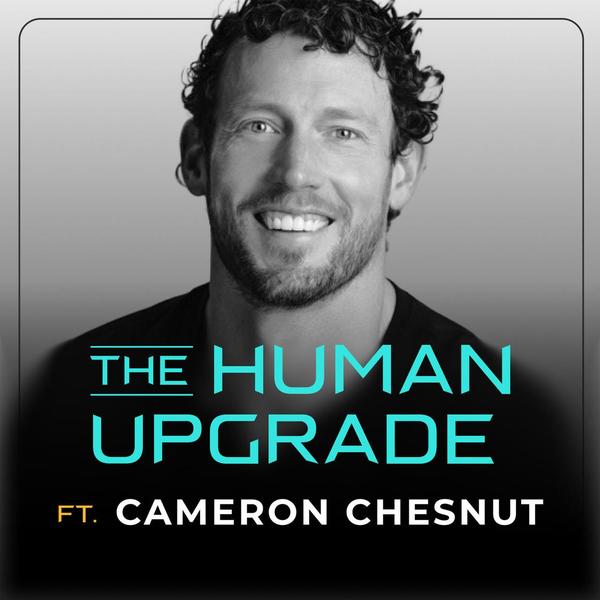
Host Dave Asprey talks with Dr. Cameron Chesnut, a facial plastic surgeon trusted by the world’s high performers. Patients travel from every corner of the globe for his minimally invasive results that look natural, rejuvenated, and untouched. He is known for progressive regenerative medicine techniques, brain safe anesthesia protocols, advanced postoperative recovery strategies, and a personal commitment to performance readiness that mirrors the mindset of elite athletes. His methods bridge functional medicine, metabolism, supplements, sleep optimization, nootropics, and regenerative science to transform the entire surgical experience. 


Together, they reveal how to avoid the hidden pitfalls that create postoperative brain fog, inflammation, mitochondrial dysfunction, and slow recovery. You learn how to work with your anesthesiologist, avoid harmful drug combinations, and stack ketones, fasting, NAD, glutathione, stem cell rich fat grafts, IV therapy, and hyperbarics for rapid healing. Dr. Chesnut explains why fillers migrate, why general anesthesia often disrupts cognition, how exogenous ketones stabilize neurons, and how regenerative peptides, ketosis, circadian timing, and nutritional density shift the biology of recovery. 


You’ll Learn: 

• How Host Dave Asprey prepares his brain and mitochondria before anesthesia 

• Why standard anesthesia protocols increase neuroinflammation and cognitive dysfunction 

• How to use ketamine and dexmedetomidine instead of benzos, opiates, and amnesia drugs 

• Why fillers migrate and how regenerative fat grafting outperforms traditional filler 

• How exogenous ketones enhance neuronal stability during anesthesia 

• Why hyperbarics, red light, PEMF, and IV therapy shorten recovery time 

• How peptides like BPC, GHK copper, and TB4 support tissue repair 

• Why metabolic health, carnivore leaning nutrition, and real protein accelerate healing

• How nicotine influences angiogenesis and when it can help 

• The real difference between healing fast and healing well 

• How to structure your recovery environment for sleep optimization and better outcomes 

• Why elite performers treat surgery like an athletic event and prepa

Episode description

Prepare to rethink surgery, healing, anesthesia, and recovery. This episode gives you a complete, high-performance playbook for surgical preparation and accelerated healing, built on biohacking, functional medicine, neuroprotection, and mitochondrial resilience. You will learn how to recover up to three times faster, protect your brain from anesthesia related inflammation, and enter any procedure with the stability and metabolic readiness of an elite performer. 


Watch this episode on YouTube for the full video experience: 

https://www.youtube.com/@DaveAspreyBPR 


Host Dave Asprey talks with Dr. Cameron Chesnut, a facial plastic surgeon trusted by the world’s high performers. Patients travel from every corner of the globe for his minimally invasive results that look natural, rejuvenated, and untouched. He is known for progressive regenerative medicine techniques, brain safe anesthesia protocols, advanced postoperative recovery strategies, and a personal commitment to performance readiness that mirrors the mindset of elite athletes. His methods bridge functional medicine, metabolism, supplements, sleep optimization, nootropics, and regenerative science to transform the entire surgical experience. 


Together, they reveal how to avoid the hidden pitfalls that create postoperative brain fog, inflammation, mitochondrial dysfunction, and slow recovery. You learn how to work with your anesthesiologist, avoid harmful drug combinations, and stack ketones, fasting, NAD, glutathione, stem cell rich fat grafts, IV therapy, and hyperbarics for rapid healing. Dr. Chesnut explains why fillers migrate, why general anesthesia often disrupts cognition, how exogenous ketones stabilize neurons, and how regenerative peptides, ketosis, circadian timing, and nutritional density shift the biology of recovery. 


You’ll Learn: 

• How Host Dave Asprey prepares his brain and mitochondria before anesthesia 

• Why standard anesthesia protocols increase neuroinflammation and cognitive dysfunction 

• How to use ketamine and dexmedetomidine instead of benzos, opiates, and amnesia drugs 

• Why fillers migrate and how regenerative fat grafting outperforms traditional filler 

• How exogenous ketones enhance neuronal stability during anesthesia 

• Why hyperbarics, red light, PEMF, and IV therapy shorten recovery time 

• How peptides like BPC, GHK copper, and TB4 support tissue repair 

• Why metabolic health, carnivore leaning nutrition, and real protein accelerate healing

• How nicotine influences angiogenesis and when it can help 

• The real difference between healing fast and healing well 

• How to structure your recovery environment for sleep optimization and better outcomes 

• Why elite performers treat surgery like an athletic event and prepa

Mindsip insights from this episode:

Utilize Dexmedetomidine and low-dose Ketamine for optimal IV sedation

For IV sedation, a combination of Dexmedetomidine and low-dose Ketamine protects sleep architecture and prevents neuroinflammation, unlike common benzodiazepine and opioid cocktails.

Utilize Suzetragine as opioid-free alternative for post-operative pain management

A new, first-in-class, FDA-approved drug called Suzetragine effectively manages post-operative pain by blocking peripheral sodium channels, offering a powerful alternative to opioids.

Avoid corticosteroids post-surgery to ensure effective healing

Using corticosteroids post-surgery may seem to speed up healing by reducing inflammation, but it actually shuts down necessary healing phases and compromises long-term results.

Understand longevity of hyaluronic acid fillers to avoid puffy appearance

Hyaluronic acid fillers (like Juvederm) do not dissolve in 6-12 months but can last for decades, often migrating from the injection site and causing a puffy look over time.

Utilize noise-canceling headphones to minimize anesthesia requirements

Using noise-canceling headphones with delta and theta wave binaural beats during a procedure creates a calming state that can reduce the total amount of anesthetic needed.

Commit to active recovery for faster post-operative healing

A robust and active post-operative recovery protocol is worth about three days of normal recovery time for every one day you commit to it during the first week.

Utilize exogenous ketones for neurostabilization before surgery

Taking exogenous ketones before surgery is highly beneficial for neurostabilization, making your neurons more resilient to the stress of anesthesia.

Utilize racetams to protect brain health post-surgery

Racetams like Piracetam, which are in a 'not legal, but not illegal' gray area in the US, can help prevent post-operative cognitive dysfunction by protecting the brain from damage.


DESCARGA LA APLICACIÓN

Descubre la sabiduría de la longevidad

DESCARGA LA APLICACIÓN

Descubre la sabiduría de la longevidad

DESCARGA LA APLICACIÓN

Descubre la sabiduría de la longevidad