#395 - Brain lipidology: understanding APOE, cholesterol homeostasis, Alzheimer's disease risk, and the effects of lipid-lowering therapies on brain health | Tom Dayspring, M.D.
Peter Attia
Jun 8, 2026
Episode description
View the Show Notes Page for This Episode
Become a Member to Receive Exclusive Content
Sign Up to Receive Peter's Weekly Newsletter
Tom Dayspring is a world-renowned lipidologist and one of the most thoughtful teachers in the field of lipid metabolism. In this episode, Tom returns to The Drive for a deep dive into the relationship between lipids and brain health, beginning with the fundamentals of cholesterol transport before exploring why the brain's cholesterol system operates almost entirely independently from the rest of the body. Tom examines the roles of apoB, apoA-I, and especially apoE in cholesterol homeostasis, discusses how APOE genotype influences Alzheimer's disease risk, and unpacks the complex links between cholesterol metabolism, amyloid, and tau pathology. He also reviews what is currently known—and still uncertain—about the effects of statins, ezetimibe, omega-3 fatty acids, and emerging CETP inhibitors on brain health and neurodegenerative disease risk. Although highly technical, this conversation provides an essential framework for understanding the nuanced relationship between lipid-lowering therapies, cardiovascular disease prevention, and neurodegenerative diseases in an area often clouded by misinformation.
We discuss:
The fundamentals of cholesterol transport in the body, and how peripheral cholesterol metabolism differs from cholesterol handling in the brain [2:45];
How cholesterol is transported through plasma and stored within cells, and why lowering LDL cholesterol does not deplete the body or brain of cholesterol [11:45];
How apoB particles drive atherosclerosis, why lowering lipids matters, and the factors that influence individual cardiovascular risk [20:00];
How the brain produces and transports its own cholesterol using apoE lipoproteins independently of circulating cholesterol and apoB-containing lipoproteins [29:00];
How apoB structure influences LDL receptor binding and LDL clearance [39:00];
How neurons acquire cholesterol from apoE-containing lipoproteins and why desmosterol serves as a unique marker of cholesterol synthesis in the brain [41:45];
The difference between the APOE gene and the apoE protein, the major APOE genotypes found in humans, and how APOE4 influences Alzheimer's disease risk [48:45];
HDL function beyond cholesterol: immune function, pro
Mindsip insights from this episode:
Utilize APOE lipoproteins for cholesterol transport in the brain
The brain transports cholesterol between its cells using HDL-like particles whose main structural protein is APOE, not the APOA1 or APOB found in peripheral lipoproteins.
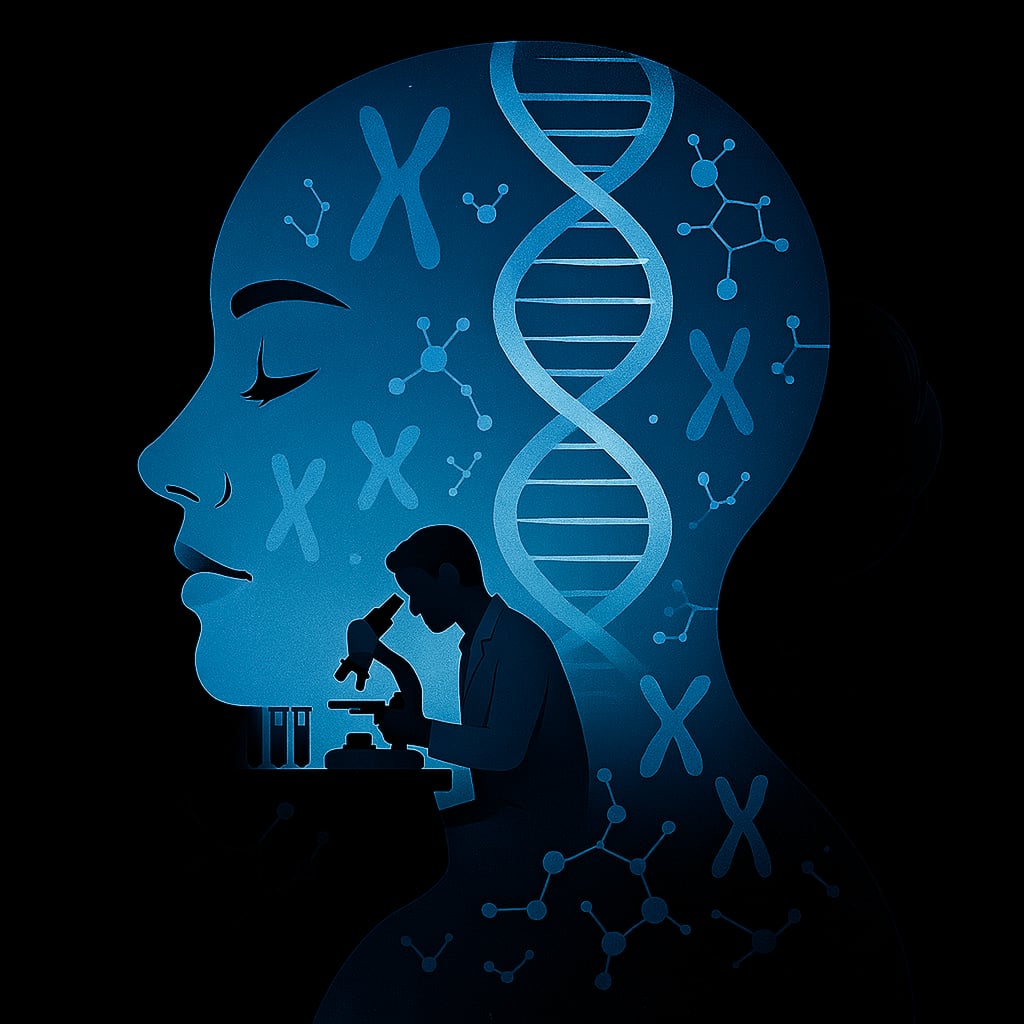
Understand brain's LDL receptor role in lipid binding
Although neurons have LDL receptors, they are used to bind the brain's own APOE-containing lipoproteins, not the LDL particles circulating in the blood.
Understand LDL's role in cholesterol transport to the liver
The primary function of LDL particles is to return cholesterol to the liver, not to deliver it to peripheral cells as is commonly believed.

Utilize 24S-hydroxycholesterol as a biomarker for brain cholesterol disposal
To get rid of excess cholesterol, neurons convert it into an oxysterol called 24S-hydroxycholesterol, which can exit the brain and be measured in the blood as a biomarker.

Rely on astrocytes for cholesterol supply after age 10
After about age 10, neurons stop making their own cholesterol to conserve energy and instead rely on neighboring glial cells called astrocytes to supply it.
Monitor plasma desmosterol to safeguard brain cholesterol synthesis
Since statins can enter the brain, plasma desmosterol can be used as a biomarker to ensure you are not over-suppressing the brain's vital cholesterol synthesis.

Understand brain's unique cholesterol system and its implications
The brain's cholesterol system is almost entirely separate from the rest of the body, as large APOB-containing particles are too big to cross the blood-brain barrier.
Utilize CETP inhibitor Obicetrapib to enhance Alzheimer's biomarkers
The new CETP inhibitor Obicetrapib may improve Alzheimer's biomarkers by increasing APOA1, which can enter the brain and potentially rescue dysfunctional APOE4-based brain HDL particles.
More from
Peter Attia

#399 ‒ The evolution of Alzheimer's disease and dementia care: how early detection, personalized treatment, new therapies, and a multimodal approach are changing the landscape | Gayatri Devi, M.D.
Building strength and muscle mass: how to optimize training, nutrition, and more for longevity (AMA #71 rebroadcast)
#398 ‒ AMA #86: GLP-1 RAs and muscle loss: new data, better questions, and how to preserve muscle during weight loss
#397 ‒ Endometriosis and adenomyosis: diagnosis, fertility, reproductive aging, and emerging treatments | Renato Tomioka, M.D., Ph.D.
#396 ‒ Breast cancer screening: understanding risk, deciding when to start and how often to screen, and choosing the right imaging strategy
You also might be interested in

Too Much Histamine Is Wrecking Your Body — And Most Doctors Don't Know It

This Ancient Hack Reverses Aging In 72 Hours

The Potent Brain & Body Ketone Fuel You’ve Probably Never Heard Of: The Science Of R3HBG With Tecton’s Dr. Mike Chesne

1 Year of Lutein: Reversing Arterial Plaque

How To Maintain Muscle On A GLP-1, Why Protein Stops Working As You Get Older, The Truth About Eating “Before Bedtime” & More! Solosode #502