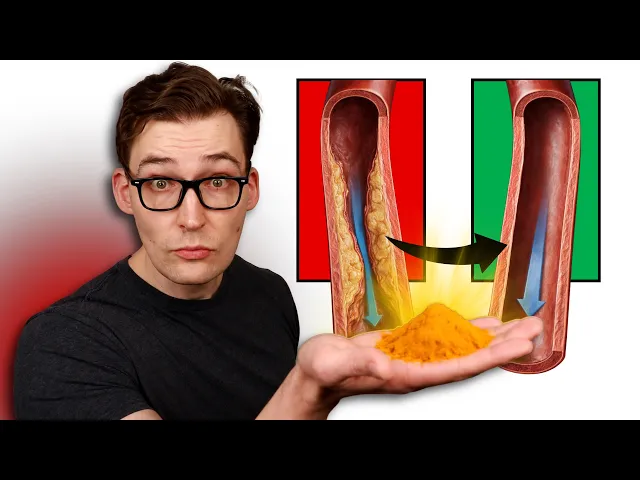
1 Year of Lutein: Reversing Arterial Plaque
Physionic
Jul 9, 2026
Episode description
JOIN THE PHYSIONIC INSIDERS [PREMIUM CONTENT]
Join the Physionic Insiders: https://bit.ly/PhysionicInsiders2
HEALTH AUTONOMY [COURSE]
Learn to Analyze & Apply Studies for Yourself: https://bit.ly/healthautonomy
JOIN THE COMMUNITY
Join my Community [It’s Free!]: https://bit.ly/PhysionicCommunity2
EMAIL LIST
1-2 Weekly Email of Value [It’s Free!]: http://bit.ly/2AXIzK6
HIRE ME FOR CONSULTING:
Consulting: https://bit.ly/3dmUl2H
Created with Biorender
0:00 - Introduction
0:16 - Reversing Plaque
1:17 - Mice and Men
3:00 - A Slap of Sobriety
4:35 - The Evidence Hierarchy
Lycopene on Reversing Plaque: https://www.youtube.com/watch?v=uxmlvaONg_U&t=1s
References*
*Full Funding/Conflicts are provided in the free article (found in email list and Physionic Community Article Library)
[Study 587] Zou ZY, Xu XR, Lin XM, Zhang HB, Xiao X, Ouyang L, et al. Effects of lutein and lycopene on carotid intima-media thickness in Chinese subjects with subclinical atherosclerosis: a randomised, double-blind, placebo-controlled trial. Br J Nutr. 2014;111(3):474-480. doi:10.1017/S0007114513002730
[Study 867] Dwyer JH, Navab M, Dwyer KM, et al. Oxygenated carotenoid lutein and progression of early atherosclerosis: the Los Angeles Atherosclerosis Study. Circulation. 2001;103(24):2922-2927. doi:10.1161/01.CIR.103.24.2922.
[Study 868] Writing Group for the AREDS2 Research Group. Effect of long-chain ω-3 fatty acids and lutein+zeaxanthin supplements on cardiovascular outcomes: results of the Age-Related Eye Disease Study 2 (AREDS2) randomized clinical trial. JAMA Intern Med. 2014;174(5):763-771. doi:10.1001/jamainternmed.2014.328.
[Study 869] Osganian SK, Stampfer MJ, Rimm E, Spiegelman D, Manson JE, Willett WC. Dietary carotenoids and risk of coronary artery disease in women. Am J Clin Nutr. 2003;77(6):1390-1399. doi:10.1093/ajcn/77.6.1390.
[Study 870] Hak AE, Stampfer MJ, Campos H, et al. Plasma carotenoids and tocopherols and risk of myocardial infarction in a low-risk population of US male physicians. Circulation. 2003;108(7):802-807. doi:10.1161/01.CIR.0000084546.82738.89.
[Study 871] Ascherio A, Rimm EB, Hernán MA, et al. Relation of consumption of vitamin E, vitamin C, and carotenoids to risk for stroke among men in the United States. Ann Intern Med. 1999;130(12):963-970. doi:10.7326/0003-4819-130-12-199906150-00003.
Please use the following link to submit your critique: https://bit.ly/PhysionicCritique
Disclaimer: None of the information provided by this brand is a replacement for your physician's advice. This brand is information for the sake of knowledge and the options of choice it provides, not in any way a personalized prescription. Please consult your physician before making any health related changes.
Mindsip insights from this episode:
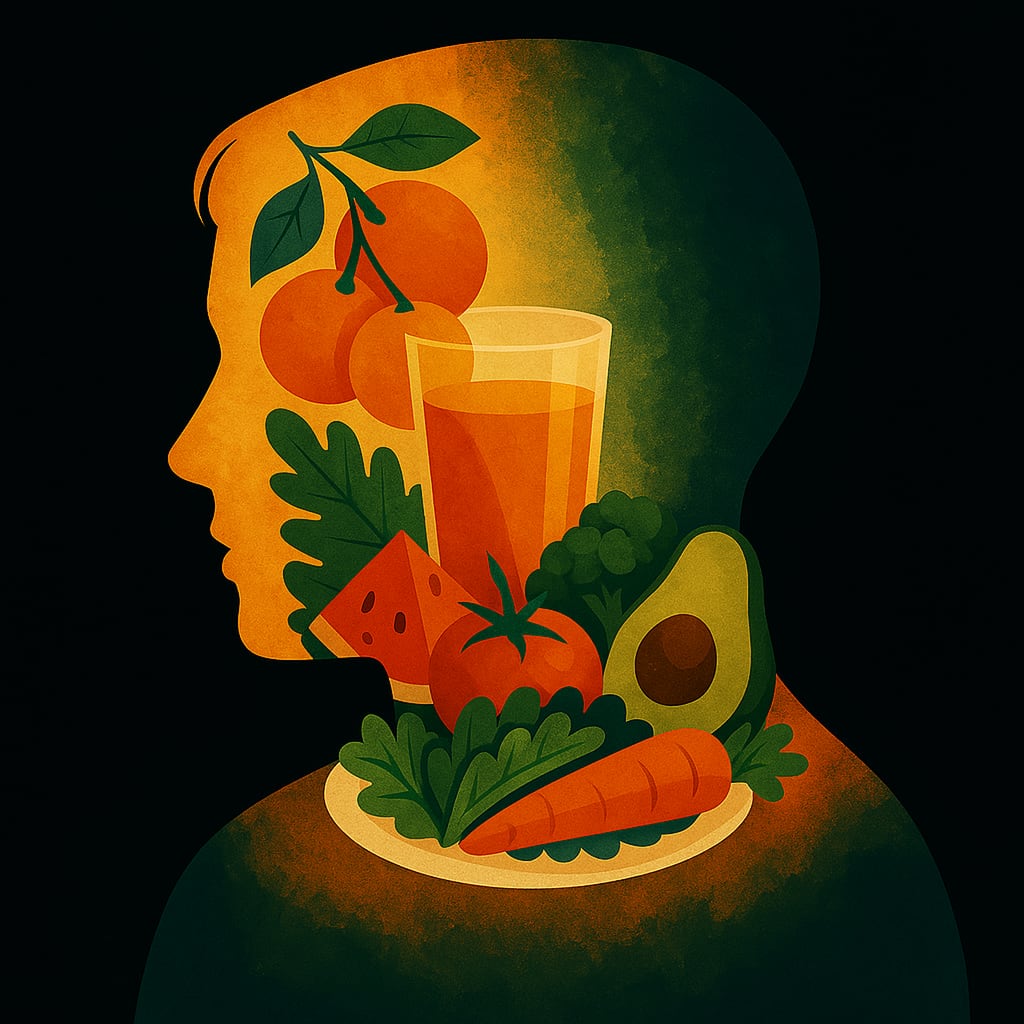
Incorporate egg yolks for lutein alongside leafy greens
In addition to leafy greens like kale and spinach, the carotenoid lutein is also found in egg yolks.
Reverse artery plaque with lutein supplementation
Data from a placebo-controlled, randomized trial indicates that lutein alone reverses plaque in the arteries over a 12-month period.

Investigate lutein's effects on high-risk cardiovascular individuals
One potential explanation for the null results is that studies excluded people with known cardiovascular disease, meaning lutein's effect on high-risk individuals is unknown.

Reassess lutein's role in heart health outcomes
The current evidence suggests that while lutein may help combat plaque, its effect on major outcomes like heart attacks is non-existent.
Disregard lutein and zeaxanthin for cardiovascular health
A large, five-year randomized controlled trial found that supplementing with lutein and zeaxanthin had no impact on cardiovascular disease-related deaths.
Challenge lutein's role in heart attack risk despite plaque regression evidence
Despite evidence that lutein leads to plaque regression, there is no established link between lutein and a reduced risk of heart attacks across any study.
More from
Physionic


You also might be interested in
Too Much Histamine Is Wrecking Your Body — And Most Doctors Don't Know It

This Ancient Hack Reverses Aging In 72 Hours

The Potent Brain & Body Ketone Fuel You’ve Probably Never Heard Of: The Science Of R3HBG With Tecton’s Dr. Mike Chesne

How To Maintain Muscle On A GLP-1, Why Protein Stops Working As You Get Older, The Truth About Eating “Before Bedtime” & More! Solosode #502
Essentials: Tools for Hormone Optimization in Males | Dr. Kyle Gillett