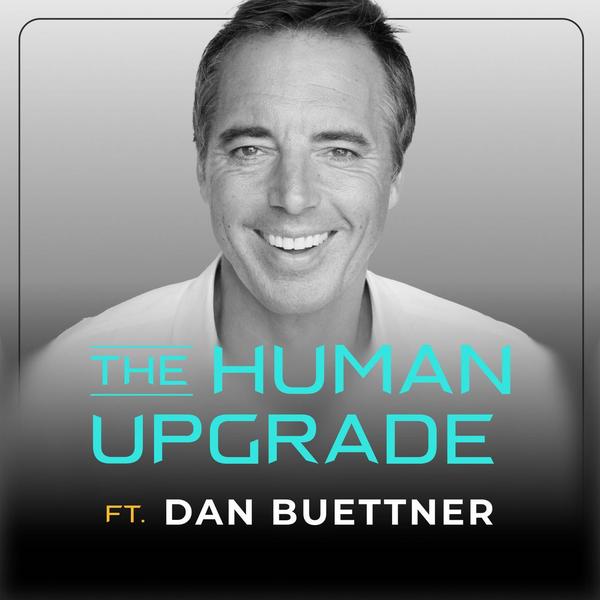
How Long Can Humans Really Live… (with Dan Buettner)

Dave Asprey

6 ene 2026
Episode description

You’re about to hear one of the most honest longevity conversations ever recorded. This co hosted episode brings together two longevity leaders with opposing views on how long humans can live, yet enormous respect for each other and the science. Recorded live at Eudemonia, this discussion gives you clear frameworks for longevity, biohacking, human performance, and anti aging without all the tribal thinking that can plague modern health conversations!  


Watch this episode on YouTube for the full video experience: 

https://www.youtube.com/@DaveAspreyBPR 


Host Dave Asprey sits down with Dan Buettner for a rare co hosted podcast that explores where biohacking and Blue Zones philosophy clash and where they surprisingly align. Dan Buettner is a National Geographic Explorer, Emmy Award winning producer, and five time New York Times bestselling author. He is best known for identifying the Blue Zones, regions of the world where people live the longest and healthiest lives. His research has reshaped cities, healthcare systems, and insurance models across the United States, improving health outcomes for more than 10 million Americans. His Netflix series Live to 100: Secrets of the Blue Zones earned six Emmy nominations and won three. Dan is also an accomplished endurance athlete with three Guinness World Records in distance cycling. 


Together, Dave and Dan debate the true limits of human lifespan, whether longevity is driven more by environment or intervention, and how modern tools like AI, functional medicine, supplements, fasting, ketosis, and sleep optimization compare to walkable communities, movement, and purpose. They explore mitochondria, neuroplasticity, metabolism, brain optimization, and why Smarter Not Harder applies whether you follow a carnivore leaning diet, a bean based diet, or something in between. This episode gives you both sides of the longevity argument and lets you decide what fits your biology, values, and goals. 


You’ll Learn: 

• Why Dan believes average human lifespan likely tops out in the mid 90s and how Blue Zones support longevity without chronic disease 

• Why Host Dave Asprey believes biohacking, AI, and modern science could push longevity toward 150, 180, or beyond 

• How environmental design hacks unconscious behavior more effectively than willpower 

• The overlooked role of light, darkness, and circadian rhythm in sleep optimization and human performance 

• How fasting and ketosis support longevity when used strategically instead of obsessively 

• Why mitochondria signaling may matter more than fixing every cell individually 

• How neuroplasticity and brain optimization influence aging and resilience 

• Where supplements and nootropics help and where simplicity wins 

Episode description

You’re about to hear one of the most honest longevity conversations ever recorded. This co hosted episode brings together two longevity leaders with opposing views on how long humans can live, yet enormous respect for each other and the science. Recorded live at Eudemonia, this discussion gives you clear frameworks for longevity, biohacking, human performance, and anti aging without all the tribal thinking that can plague modern health conversations!  


Watch this episode on YouTube for the full video experience: 

https://www.youtube.com/@DaveAspreyBPR 


Host Dave Asprey sits down with Dan Buettner for a rare co hosted podcast that explores where biohacking and Blue Zones philosophy clash and where they surprisingly align. Dan Buettner is a National Geographic Explorer, Emmy Award winning producer, and five time New York Times bestselling author. He is best known for identifying the Blue Zones, regions of the world where people live the longest and healthiest lives. His research has reshaped cities, healthcare systems, and insurance models across the United States, improving health outcomes for more than 10 million Americans. His Netflix series Live to 100: Secrets of the Blue Zones earned six Emmy nominations and won three. Dan is also an accomplished endurance athlete with three Guinness World Records in distance cycling. 


Together, Dave and Dan debate the true limits of human lifespan, whether longevity is driven more by environment or intervention, and how modern tools like AI, functional medicine, supplements, fasting, ketosis, and sleep optimization compare to walkable communities, movement, and purpose. They explore mitochondria, neuroplasticity, metabolism, brain optimization, and why Smarter Not Harder applies whether you follow a carnivore leaning diet, a bean based diet, or something in between. This episode gives you both sides of the longevity argument and lets you decide what fits your biology, values, and goals. 


You’ll Learn: 

• Why Dan believes average human lifespan likely tops out in the mid 90s and how Blue Zones support longevity without chronic disease 

• Why Host Dave Asprey believes biohacking, AI, and modern science could push longevity toward 150, 180, or beyond 

• How environmental design hacks unconscious behavior more effectively than willpower 

• The overlooked role of light, darkness, and circadian rhythm in sleep optimization and human performance 

• How fasting and ketosis support longevity when used strategically instead of obsessively 

• Why mitochondria signaling may matter more than fixing every cell individually 

• How neuroplasticity and brain optimization influence aging and resilience 

• Where supplements and nootropics help and where simplicity wins 

Mindsip insights from this episode:

Aim for one gram of animal protein per pound for muscle maintenance

Consuming one gram of animal protein per pound of body weight is recommended for maintaining muscle mass and optimizing body composition, challenging lower-protein longevity advice.
Consume 6 to 8 grams of salt daily to enhance hydration and lower cardiovascular risk

Contrary to popular belief, consuming 6 to 8 grams of salt daily can improve cellular hydration and may lower cardiovascular risk by regulating the enzyme renin.

Achieve 12% VO2 max improvement with AI-assisted cardio

An AI-assisted exercise bike can deliver a 12% VO2 max improvement in just three 15-minute sessions per week, a result that would normally require five hours of traditional cardio.
Reset aging by targeting central brain clock

Aging might be controlled by a central clock in the brain, suggesting we could reset it through signaling rather than fixing every one of our 37 trillion cells individually.

Utilize darkness as a nutrient to protect sleep biology

Darkness is a nutrient as important as sunlight, and using dim red lights at night can protect your sleep biology from the disruption of modern white LED lights.

Foster male friendships to enhance vasopressin levels

Men need about three close friends to do activities and solve problems with, which boosts the neurotransmitter vasopressin and brings energy back to their primary relationship.

Take low-dose nicotine daily to support brain health

Taking 1 milligram of pharmaceutical nicotine daily starting at age 40 is recommended to potentially reduce the risk of Alzheimer's and Parkinson's disease.

Choose white rice to reduce arsenic exposure

White rice is preferable to brown rice because the polishing process removes the outer layer which contains higher levels of arsenic and other plant defense toxins.

Choose cleaner European food for reduced inflammation

Due to stricter regulations on chemicals and a different, less aggressive species of wheat, food in Europe is often cleaner and less inflammatory than American food.

Micro-dose GLP-1s to reduce aging risks

After initial weight loss, taking a micro-dose of a GLP-1 drug like Ozempic (about 10% of the normal dose) may reduce many risks of aging.
DESCARGA LA APLICACIÓN

Descubre la sabiduría de la longevidad

DESCARGA LA APLICACIÓN

Descubre la sabiduría de la longevidad

DESCARGA LA APLICACIÓN

Descubre la sabiduría de la longevidad