Lower back pain: causes, treatment, and prevention of lower back injuries and pain | Stuart McGill, Ph.D.
Peter Attia
29 ene 2024

Mindsip insights from this episode:
Recognize daily insults to back as source of chronic pain
What people perceive as chronic back pain is almost always the result of repeatedly insulting the back with many small, acute offenses throughout the day.

Incorporate Big Three exercises for lasting neural stiffness and pain management
Performing the "Big Three" exercises creates a lasting neural stiffness in the torso that can persist for about an hour, making it beneficial to do them in short sessions throughout the day to manage pain.
Aim for sufficient strength to enhance longevity
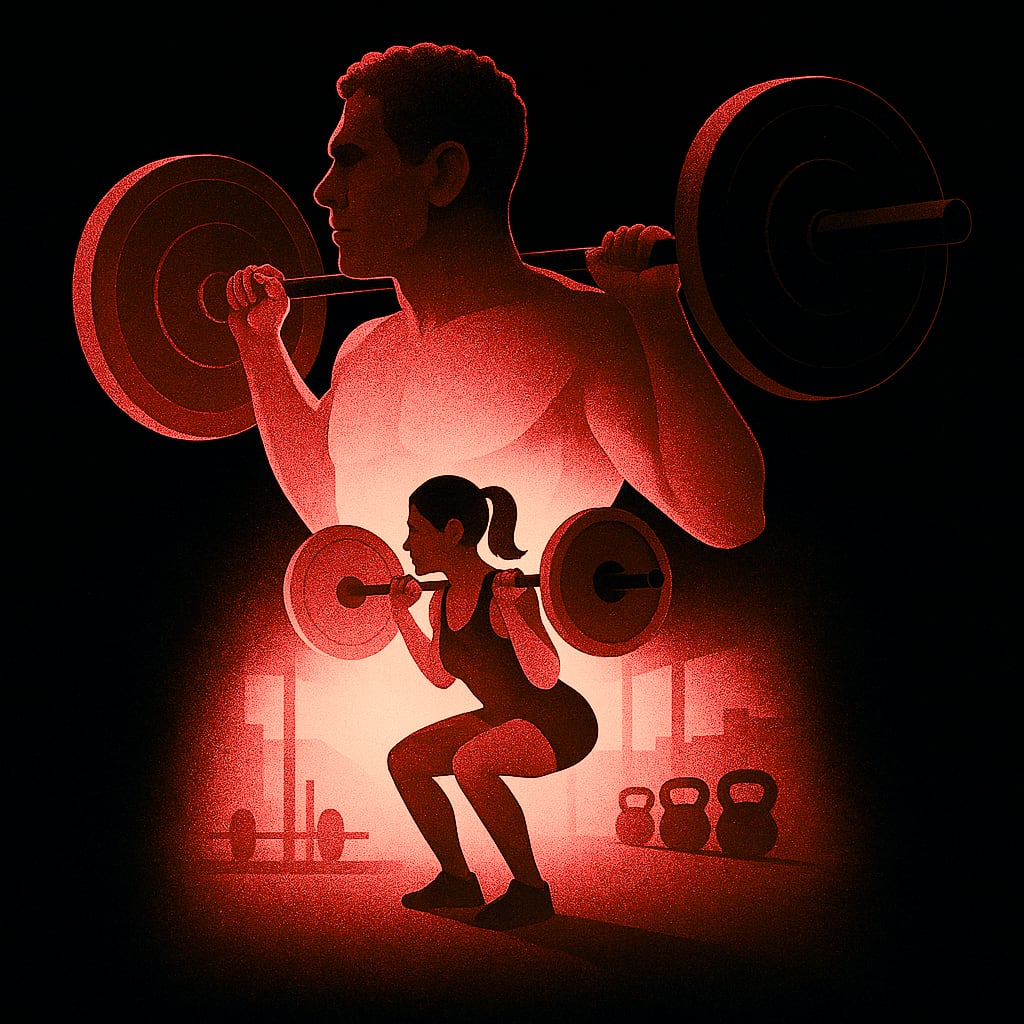
For longevity, one should aim for sufficient strength, mobility, and endurance rather than maximal effort lifts like deadlifts, which can wear out joints over time.
Implement virtual surgery to avoid unnecessary operations
Forcing yourself to behave like a post-surgical patient by strategically resting and slowly building back up, a concept called "virtual surgery," helps 95% of surgical candidates avoid the actual operation.

Utilize "Back Mechanic" for self-assessment of back pain
The book "Back Mechanic" is designed to help individuals self-assess their back pain by identifying patterns and triggers before seeking professional help.
Assess pillow count to identify joint instability
The number of pillows a person needs to sleep comfortably is a wonderfully telling question, as needing many pillows has a high correlation with joint instability.

Identify physical causes of back pain to eliminate nonspecific pain
Stuart McGill believes there is no such thing as non-specific back pain and is adamant about finding a causal relationship between a physical reason and the pain.
Understand nerve growth in damaged discs to address pain sensitivity
A damaged disc loses its ability to contain high pressure, which allows vascular sprouts and nerves to grow into it, unfairly making it more sensitive to pain.
Avoid mixing deadlifts and yoga to prevent injury
You should not mix adaptation schedules like powerlifting (which requires torso stiffness) and yoga (which requires flexibility), as they create opposite adaptations in the spine that can lead to injury.
More from
Peter Attia

Alzheimer's disease in women: how hormonal transitions impact the female brain, the role of HRT, genetics, and lifestyle on risk, and emerging diagnostics and therapies | Lisa Mosconi, Ph.D.
Women's health and performance: how training, nutrition, and hormones interact across life stages | Abbie Smith-Ryan, Ph.D.
Building & Changing Habits | James Clear (#183 rebroadcast)
Special episode: Understanding true happiness and the tools to cultivate a meaningful life—insights from past interviews with Arthur Brooks
AMA #78: Longevity interventions, exercise, diagnostic screening, and managing high apoB, hypertension, metabolic health, and more
You also might be interested in

Office Hours: Cholesterol and Heart Disease — What I’ve Changed My Mind About
Aging Starts In Your Legs (Here’s The Fix)

The Surprising Science Of Injecting Young Blood, Salmon Sperm & Stem Cells Into Your Face (And Other Places) With Dr. Khanh Nguyen

How To Be "Forever Strong", Creating The Right Amount of FRICTION In Your Life, Official Protein Rules & More, With Dr. Gabrielle Lyon
Why Men’s Fertility Is Collapsing and What It Means for Our Future | Dr. Michael L. Eisenberg