Rethinking protein needs for performance, muscle preservation, and longevity, and the mental and physical benefits of creatine supplementation and sauna use | Rhonda Patrick, Ph.D.

Peter Attia

20 oct 2025

Episode description

View the Show Notes Page for This Episode

Become a Member to Receive Exclusive Content

Sign Up to Receive Peter's Weekly Newsletter

Rhonda Patrick is a scientist, health educator, and host of the FoundMyFitness podcast whose work explores the intersection of nutrition, aging, and disease prevention. In this episode, Rhonda joins Peter for part two of his deep dive on protein, continuing last week's discussion with David Allison and expanding the conversation to include creatine supplementation and sauna use. She discusses why the current RDA for protein is insufficient, how much more is needed to maintain muscle mass and prevent frailty, how activity level and aging influence protein requirements through mechanisms such as anabolic resistance, and how to determine optimal protein intake. The conversation also covers creatine's proven effects on strength, endurance, and performance; its overlooked benefits for cognition and brain health; and the optimal dosing for different populations. Rhonda closes with the science behind sauna use, including its cardiovascular and cognitive benefits, the role of heat shock proteins, and practical guidance on temperature and duration.

We discuss:

  • Why the current protein RDA is too low, and why maintaining sufficient amino acid intake is vital for muscle preservation and health [3:30];

  • The case for raising the protein RDA by at least 50% [9:45];

  • Anabolic resistance: why inactivity—more than aging—blunts the body's response to protein, and how resistance training restores it [14:00];

  • How sarcopenia develops, the profound effect of frailty on quality of life, and why it's crucial to build and maintain muscle early [20:00];

  • Finding the optimal protein dose [25:00];

  • Why aiming higher is smarter: the case for targeting 2g of protein per kg of body weight in the real world [32:15];

  • Protein needs for pregnant women and growing adolescents [37:30];

  • Why higher protein intake is crucial when trying to lose fat while preserving or gaining muscle [39:45];

  • GLP-1 drugs: protein needs, muscle preservation, dosing strategies, evidence of broader health impacts, and more [43:45];

  • How overweight individuals should calculate protein needs based on target body weight [50:45];

  • Unpacking a misunderstood topic: the relationship between p

Episode description

View the Show Notes Page for This Episode

Become a Member to Receive Exclusive Content

Sign Up to Receive Peter's Weekly Newsletter

Rhonda Patrick is a scientist, health educator, and host of the FoundMyFitness podcast whose work explores the intersection of nutrition, aging, and disease prevention. In this episode, Rhonda joins Peter for part two of his deep dive on protein, continuing last week's discussion with David Allison and expanding the conversation to include creatine supplementation and sauna use. She discusses why the current RDA for protein is insufficient, how much more is needed to maintain muscle mass and prevent frailty, how activity level and aging influence protein requirements through mechanisms such as anabolic resistance, and how to determine optimal protein intake. The conversation also covers creatine's proven effects on strength, endurance, and performance; its overlooked benefits for cognition and brain health; and the optimal dosing for different populations. Rhonda closes with the science behind sauna use, including its cardiovascular and cognitive benefits, the role of heat shock proteins, and practical guidance on temperature and duration.

We discuss:

  • Why the current protein RDA is too low, and why maintaining sufficient amino acid intake is vital for muscle preservation and health [3:30];

  • The case for raising the protein RDA by at least 50% [9:45];

  • Anabolic resistance: why inactivity—more than aging—blunts the body's response to protein, and how resistance training restores it [14:00];

  • How sarcopenia develops, the profound effect of frailty on quality of life, and why it's crucial to build and maintain muscle early [20:00];

  • Finding the optimal protein dose [25:00];

  • Why aiming higher is smarter: the case for targeting 2g of protein per kg of body weight in the real world [32:15];

  • Protein needs for pregnant women and growing adolescents [37:30];

  • Why higher protein intake is crucial when trying to lose fat while preserving or gaining muscle [39:45];

  • GLP-1 drugs: protein needs, muscle preservation, dosing strategies, evidence of broader health impacts, and more [43:45];

  • How overweight individuals should calculate protein needs based on target body weight [50:45];

  • Unpacking a misunderstood topic: the relationship between p

Mindsip insights from this episode:

Leverage creatine for cognitive support under stress

Creatine's cognitive benefits are most pronounced when the brain is under stress, such as from sleep deprivation, psychological stress, or aging.

Choose Ascent whey protein for easy mixing and digestive comfort

The whey protein brand Ascent was mentioned as being easy to mix in water without a blender and causing no GI issues, which is helpful for high protein intake.

Double creatine dosage to enhance brain benefits

While 5 grams of creatine per day is enough to saturate muscles, studies suggest you need to double the dose to 10 grams per day to effectively increase creatine levels in the brain.

Avoid extreme sauna temperatures to reduce dementia risk

A Finnish study suggests that while regular sauna use reduces dementia risk, using extremely high temperatures above 200°F (93°C) might actually increase the risk.

Spend 40 minutes in infrared sauna for cardiovascular benefits

To achieve the same cardiovascular benefits as a 20-minute session in a traditional hot sauna, you may need to spend double the time, around 40 minutes, in an infrared sauna.
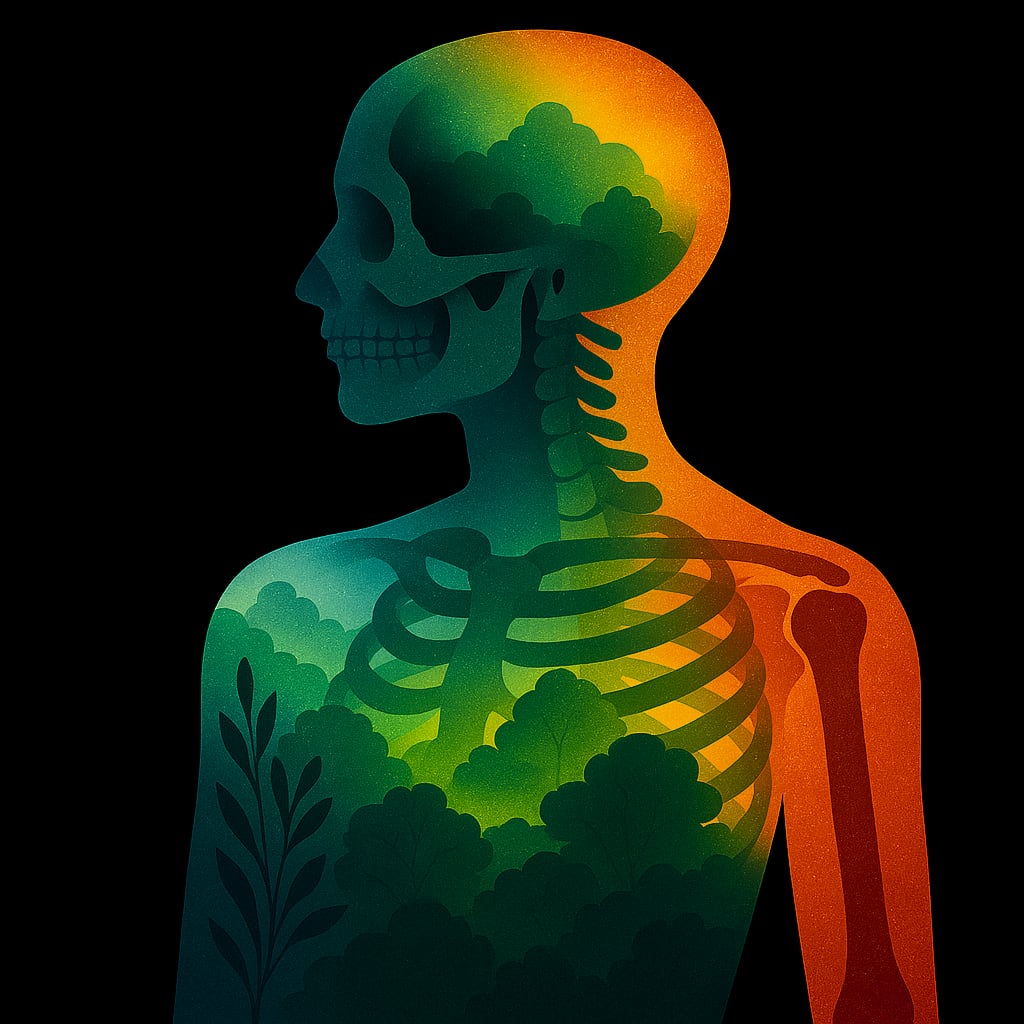
Combat anabolic resistance by increasing physical activity

Anabolic resistance, where muscles become less sensitive to amino acids, is driven more by physical inactivity than by the aging process itself.
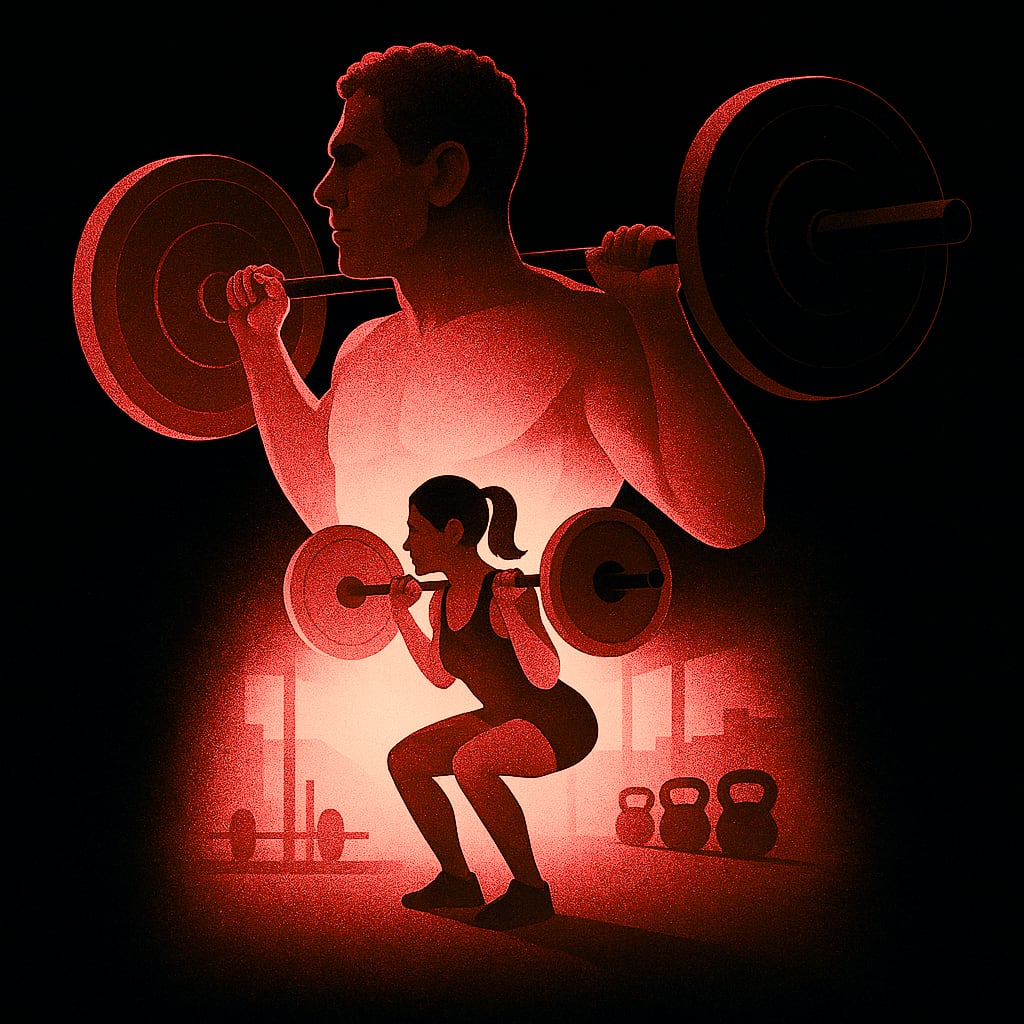
Aim for 2.0g/kg protein daily to maintain optimal intake

To ensure you never fall below the optimal 1.6g/kg on days you fall short, it's a better real-world strategy to aim for a higher daily protein target of 2.0 grams per kilogram.

Choose creatine powder over unreliable gummies

Third-party testing on popular creatine gummies revealed that 95% of them contained virtually no creatine, making the powder form a more reliable choice.

Increase protein intake to at least 1.2g/kg for balance

The Recommended Daily Allowance (RDA) for protein of 0.8g/kg is flawed and too low; studies show a minimum of 1.2g/kg is needed to prevent being in a negative protein balance.

DESCARGA LA APLICACIÓN

Descubre la sabiduría de la longevidad

DESCARGA LA APLICACIÓN

Descubre la sabiduría de la longevidad

DESCARGA LA APLICACIÓN

Descubre la sabiduría de la longevidad