Hangovers Explained: How Alcohol Affects Your Brain and Body | Dr. Mark Hyman
Mark Hyman
Oct 18, 2024

Episode description
We’ve all been there: one too many drinks and the next morning feels like a nightmare. But why does alcohol make us feel so terrible? In this episode of “The Doctor’s Farmacy,” I’m uncovering the surprising reasons behind hangovers and how you can avoid them. Get ready for expert tips on hydration, supplements, and the real truth about that ‘hair of the dog’ myth.
View Show Notes From This Episode
Get Free Weekly Health Tips from Dr. Hyman
Sign Up for Dr. Hyman’s Weekly Longevity Journal
This episode is brought to you by Mitopure, AG1, and Big Bold Health.
Support essential mitochondrial health and save 10% on Mitopure. Visit TimelineNutrition.com/Drhyman and use code DRHYMAN10.
Get your daily serving of vitamins, minerals, adaptogens, and more with AG1. Head to DrinkAG1.com/Hyman and get a year's worth of D3 and five Travel Packs for FREE with your first order.
Big Bold Health is offering my listeners 30% off their first order of HTB Rejuvenate Superfood. Head to Bigboldhealth.com and use code DrHyman30.
Mindsip insights from this episode:
Choose clear liquors to minimize hangover severity
Darker liquors like whiskey and red wine contain higher levels of congeners, byproducts that can make hangovers more severe than clear liquors like vodka or gin.
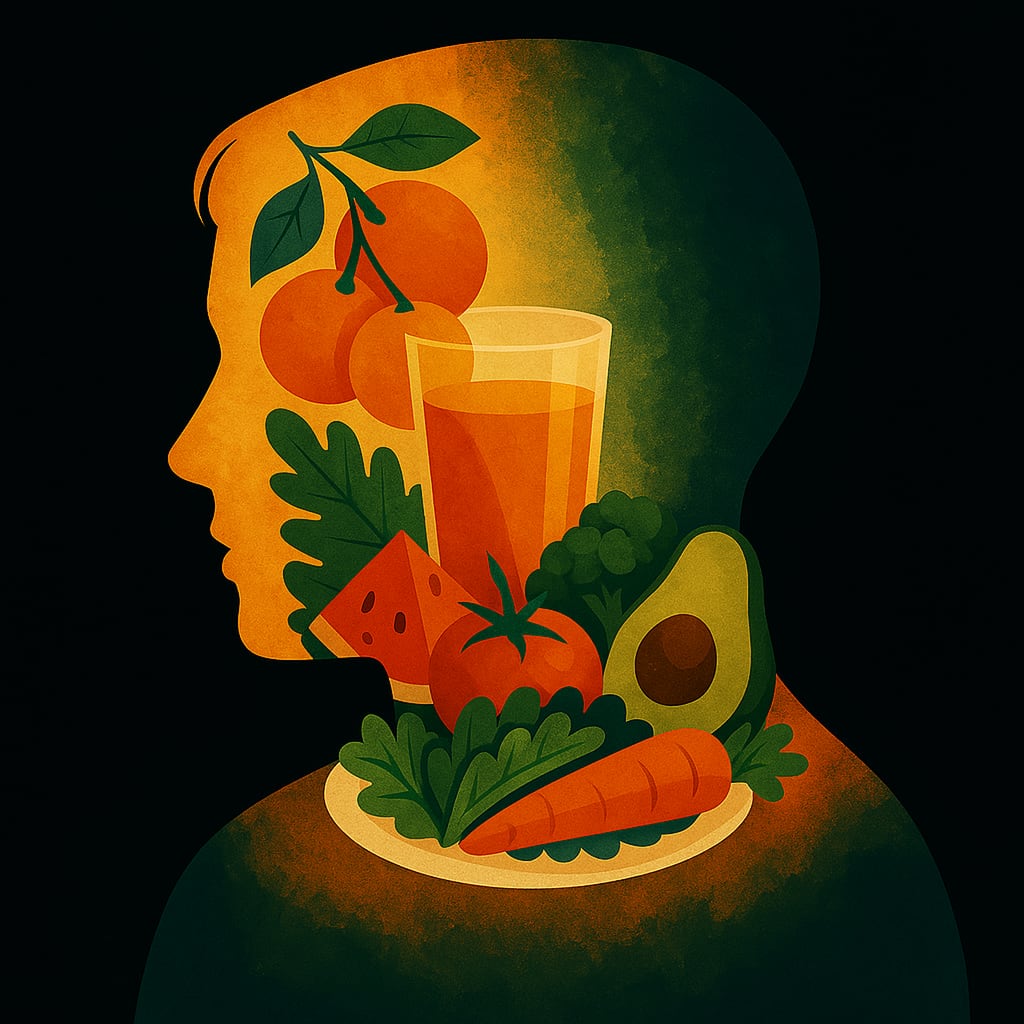
Choose sugar-free electrolytes for optimal hydration
To stay hydrated, use sugar-free electrolyte powders like Elite or Element, and avoid sugary options like Liquid IV and Gatorade.
Use NAC to enhance detoxification and reduce hangover symptoms
Taking N-acetylcysteine (NAC) helps your body produce glutathione, its master detoxifier, to help process alcohol and reduce hangover symptoms.

Stop alcohol consumption three hours before bedtime
To minimize alcohol's negative impact on sleep, stop drinking at least three hours before bed, as the half-life of alcohol is four to five hours.

Incorporate eggs to enhance liver detoxification
Eggs are rich in L-cysteine, which helps your liver detoxify acetaldehyde, a toxic byproduct of alcohol metabolism.

Take cold showers to enhance alcohol metabolism
A cold shower can increase adrenaline, which may help speed up alcohol metabolism and its clearance from the brain and body.
Recognize alcohol as a Group 1 carcinogen
The International Agency for Research on Cancer classifies alcohol in the highest risk group for carcinogens, alongside asbestos, radiation, and tobacco.
Recognize no safe alcohol consumption level for health
According to the World Health Organization, there is no level of alcohol consumption that is safe for human health.
More from
Mark Hyman
Too Much Histamine Is Wrecking Your Body — And Most Doctors Don't Know It
How Brain Inflammation Drives Depression, Alzheimer's, and Parkinson's
Your Nervous System Controls Your Gut, Hormones, and Weight — Here's How to Fix It
3 Heart Experts Reveal What Really Prevents Heart Disease
Encore: Why Normal Cholesterol Doesn't Always Mean Low Heart Disease Risk
You also might be interested in

The Mortality Effect of Walnuts is Hard to Ignore

90 Days of Full Carnivore: No Plants, No Fiber, Surprising Gut Results | Ben Azadi

The Surprisingly Negative Findings around Blueberries

Essentials: The Science of Eating for Health, Fat Loss & Lean Muscle | Dr. Layne Norton

Add it to your Meals = Prostate Cancer Protection