How to Improve Oral Health & Its Critical Role in Brain & Body Health
Andrew Huberman
Feb 12, 2024
Episode description
In this episode, I discuss the importance of oral health for dental and microbiome health and general physical and mental well-being. I explain science-supported protocols for strengthening your teeth and gums, including how to remineralize your teeth. I cover the best approaches and timing for brushing and flossing, tongue, gum, and oral microbiome care and how oral health is critically important to offset metabolic, cardiac, and brain diseases, including dementia. I also discuss proper nutrition for oral health, fluoride, and how sugar and mouth breathing can accelerate tooth decay. This episode ought to be of interest to everyone seeking to improve their physical health, mental health, and lifespan, given the critical role that oral health plays in all of these.
Thank you to our sponsors
AG1: https://drinkag1.com/huberman
Mateina: https://drinkmateina.com/huberman
ROKA: https://roka.com/huberman
Helix Sleep: https://helixsleep.com/huberman
InsideTracker: https://insidetracker.com/huberman
Momentous: https://livemomentous.com/huberman
Social & Website
Instagram: https://www.instagram.com/hubermanlab
Threads: https://www.threads.net/@hubermanlab
Twitter: https://twitter.com/hubermanlab
Facebook: https://www.facebook.com/hubermanlab
TikTok: https://www.tiktok.com/@hubermanlab
LinkedIn: https://www.linkedin.com/in/andrew-huberman
Website: https://www.hubermanlab.com
Newsletter: https://www.hubermanlab.com/newsletter
Huberman Lab Episodes Mentioned
How to Optimize Your Water Quality & Intake for Health: https://www.hubermanlab.com/episode/how-to-optimize-your-water-quality-and-intake-for-health
Fluoride in Water (timestamp): https://youtu.be/at37Y8rKDlA?si=DgET0UUH3p_HVBWm&t=5375
What Alcohol Does to Your Body, Brain & Health: https://www.hubermanlab.com/episode/what-alcohol-does-to-your-body-brain-health
The Effects of Cannabis (Marijuana) on the Brain & Body: https://www.hubermanlab.com/episode/the-effects-of-cannabis-marijuana-on-the-brain-and-body
Dr. Justin Sonnenburg: How to Build, Maintain & Repair Gut Health: https://www.hubermanlab.com/episode/dr-justin-sonnenburg-how-to-build-maintain-and-repair-gut-health
Other Resources
Zero fluoride toothpastes on Amazon: https://amzn.to/4bBFHSo
Zellies’s Xylitol (no affiliation): https://zellies.com/collections
Biöm (no affiliation): https://betterbiom.com
Fygg (no affiliation): https://fygg.com
People Mentioned and Special Thanks To
Dr. Anastacia ("Staci") Whitman (Instagram): https://www.instagram.com/doctor_staci
Dr. Mark Burheene (Instagram): https://www.instagram.com/askthedentist
@BowTiedGatorDDS (X/Twitter): https://twitter.com/BowTiedGatorDDS
Dr. Kathryn Mueller (Instagram): https://www.instagram.com/kathrynm_fit
Dr. Ellie Phillips: https://drellie.com
Timestamps
00:00:00 Oral Health
00:03:28 Sponsors: Mateina, ROKA & Helix Sleep
00:07:13 Oral Health Quiz
00:13:53 Teeth Biology, Cavity Repair
00:20:01 Mouth, Gums, Saliva
00:27:23 Sponsor: AG1
00:28:51 Cavity Formation, Bacteria, Sugar, Acidity
00:35:10 Teeth Remineralization, Fluoride, Water
00:42:57 Sponsor: InsideTracker
00:43:58 Tools: The “Do Nots” of Oral Health, Mouth Breathing
00:54:48 Tools: Fasting & Teeth Remineralization; Nighttime Toothbrushing
01:03:23 Proper Teeth Brushing; Tooth Sensitivity & Gums
01:08:16 Bacteria, Plaque & Tartar; Tooth Polishing
01:11:02 Proper Flossing Technique, Waterpik; Children & Flossing
01:14:23 Tool: Xylitol, Bacteria & Cavity Prevention
01:19:43 Toothpastes: Xylitol, Fluoride, Hydroxyapatite
01:22:38 Mouthwash & Alcohol, Antiseptic Mouthwash
01:26:29 Tools: Baking Soda, Hydrogen Peroxide?, Salt Water Rinse
01:32:36 Alcohol-Based Mouthwash, Nitric Oxide
01:34:52 Tools: Canker Sore Prevention & Gut Microbiome; Sleep
01:37:47 Tools: Tongue Brushing; Toothbrush Care
01:41:38 Teeth Sealants; Metal Fillings, Mercury, Mastic Gum; Root Canals
01:48:43 Dentist Visits, Daily Routines & Oral Health
01:54:17 Practices for Oral Health, Oil Pulling
01:58:21 Zero-Cost Support, Spotify & Apple Reviews, YouTube Feedback, Sponsors, Momentous, Social Media, Neural Network Newsletter
#HubermanLab #OralHealth #Health
Title Card Photo Credit: Mike Blabac - https://www.blabacphoto.com
Disclaimer: https://www.hubermanlab.com/disclaimer
Mindsip insights from this episode:
Enable teeth to remineralize and repair cavities naturally
Your teeth can naturally fill in cavities that have started to form, a process called remineralization, as long as they haven't penetrated too deeply.

Integrate oral health as seventh pillar of overall wellness
Oral health and gut health are being added as the seventh pillar of mental and physical health, alongside pillars like sleep and exercise.
Utilize xylitol to eliminate cavity-causing bacteria
The sugar substitute xylitol is uniquely beneficial because cavity-causing bacteria eat it, which prevents them from producing acid and also kills them.
Prioritize nighttime brushing for optimal dental health
If you only brush and floss once per day, doing so at night is most critical because saliva production, which protects teeth, dramatically decreases during sleep.
Use salt rinse to promote oral microbiome health
A zero-cost alternative to harmful mouthwash is a high-salt water solution, which you swish and spit to promote a healthy oral microbiome.
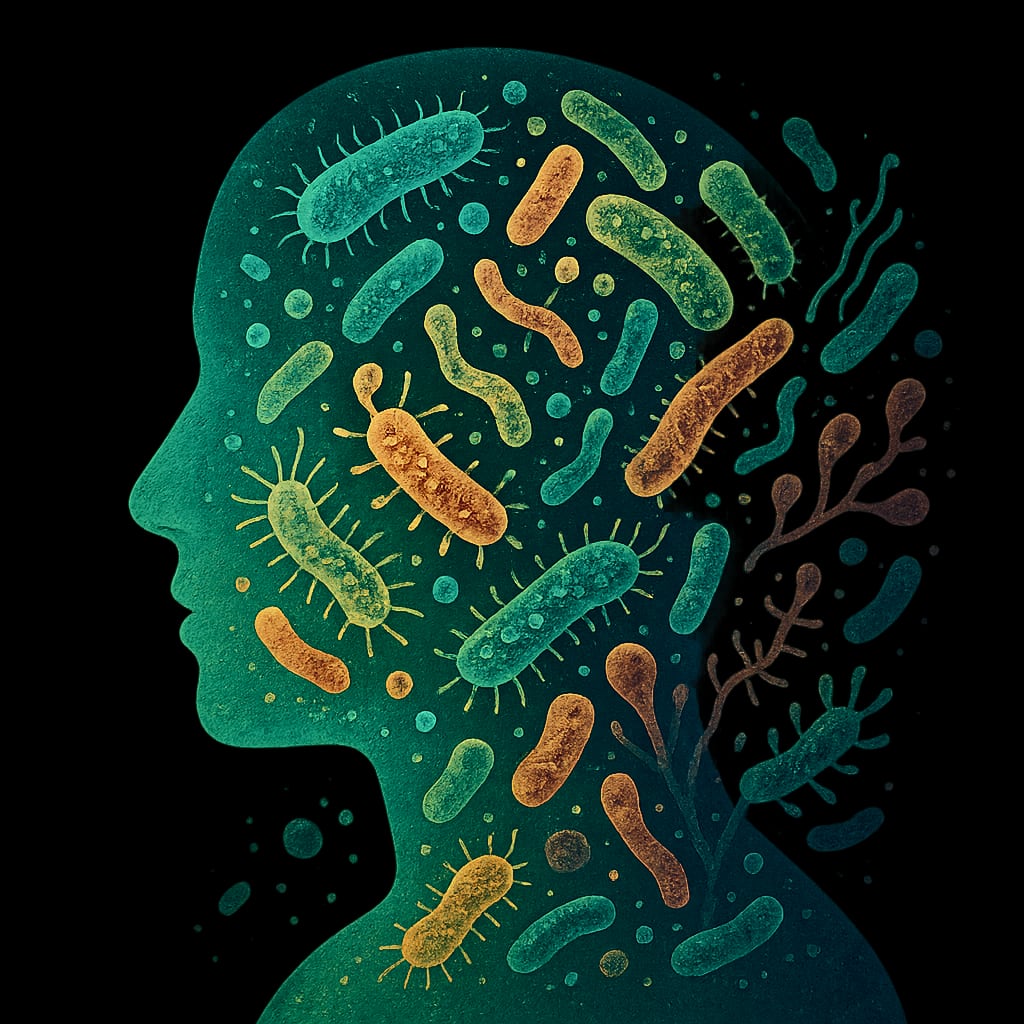
Avoid commercial mouthwashes to protect oral health
Most commercial mouthwashes, especially those with alcohol, are terrible for your oral health because they disrupt the healthy oral microbiome and reduce nitric oxide production.
Avoid stimulants to protect oral health
Stimulants like Adderall and even caffeine negatively affect oral health by making saliva more acidic and by encouraging mouth breathing, which dries the mouth.

Minimize acidity duration to reduce cavity risk
The risk of cavities depends less on what you eat and more on the total amount of time your mouth remains in an acidic, demineralizing state.
Recognize cavity bacteria as a communicable disease
The primary cavity-causing bacteria, Streptococcus mutans, is not something you are born with but is transmitted between people through sharing drinks or kissing.
Prevent periodontal disease to reduce Alzheimer's risk
Bacteria from periodontal disease can enter the bloodstream and are linked to causing plaques and tangles associated with Alzheimer's disease.
More from
Andrew Huberman
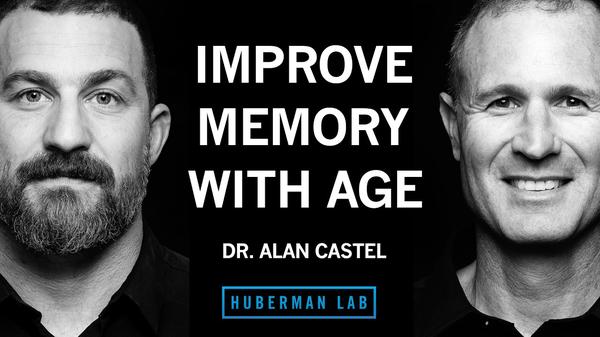
How to Improve Your Memory & Cognitive Function at Any Age | Dr. Alan Castel

Raising a Dog & Mastering Calm Assertive Energy | Cesar Millan
Essentials: Tools for Hormone Optimization in Males | Dr. Kyle Gillett

Movement Practice to Strengthen Your Mind-Body Connection | Ido Portal

Essentials: The Science of Eating for Health, Fat Loss & Lean Muscle | Dr. Layne Norton
You also might be interested in
Too Much Histamine Is Wrecking Your Body — And Most Doctors Don't Know It

This Ancient Hack Reverses Aging In 72 Hours

The Potent Brain & Body Ketone Fuel You’ve Probably Never Heard Of: The Science Of R3HBG With Tecton’s Dr. Mike Chesne

1 Year of Lutein: Reversing Arterial Plaque

How To Maintain Muscle On A GLP-1, Why Protein Stops Working As You Get Older, The Truth About Eating “Before Bedtime” & More! Solosode #502