How Your Sex Drive Is Influenced By Hormones, Diet, and Lifestyle
Mark Hyman
Mar 29, 2024
Episode description
View the Show Notes For This Episode
Get Free Weekly Health Tips from Dr. Hyman
Sign Up for Dr. Hyman’s Weekly Longevity Journal
In our recent Health Bites episodes, we’ve delved into the research on how our dietary choices and lifestyle impact our hormones and sexual health. From disruption caused by our sugar-heavy diets to the stressors of modern life and invisible threats of environmental toxins, our hormones often bear the brunt of our daily decisions. The good news is that there are many things we can do to bring our hormones and sexual health back in balance.
Today, I'm delighted to bring back a standout Health Bites episode, which offers a brief overview of our sexual health series along with actionable strategies to enhance your sexual health, starting now.
In this episode, I discuss:
The biggest killer of sex drive (2:32)
How sugar messes up our hormones (3:12)
The link between insulin resistance, hormones, and sexual dysfunction (5:00)
How dietary fat plays a crucial role in our sex hormones (6:40)
Environmental toxins as a hormone disruptor and driver of sexual dysfunction (7:30)
Strategies to activate your sex drive (9:23)
Peptides for optimizing sexual function in men and women (11:13)
This episode is brought to you by Rupa University and Momentous.
Rupa University is hosting FREE classes and bootcamps for healthcare providers who want to learn more about Functional Medicine testing. Sign up at RupaUniversity.com.
Head over to livemomentous.com/mark for 20% off creatine, collagen, and all of their best-in-class products.
Mindsip insights from this episode:
Avoid low-fat diets to support sex hormone production
Low-fat diets can be detrimental to your sex drive because all sex hormones are made from cholesterol and fat.
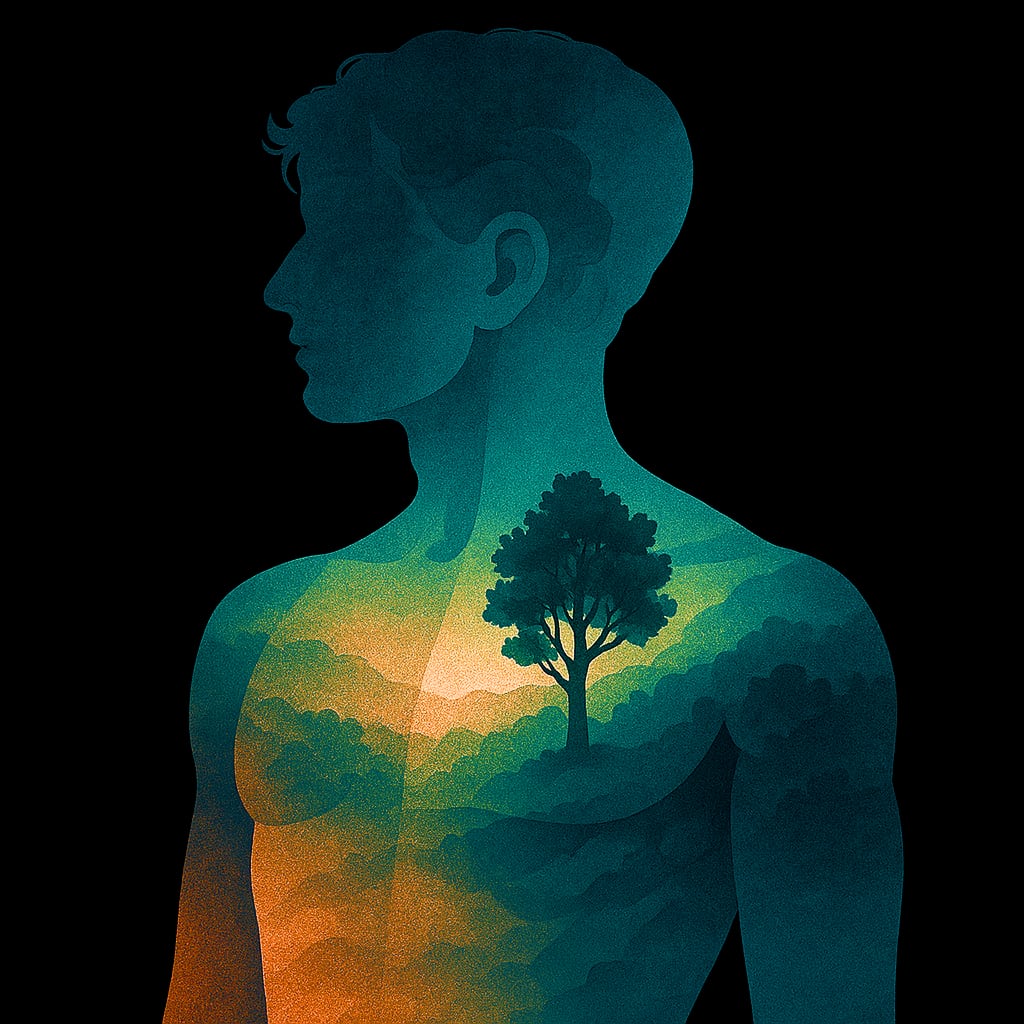
Eliminate environmental toxins to protect hormone function
Environmental toxins, known as xenoestrogens, can disrupt hormone function, impacting fertility, sperm count, and sexual function.

Avoid diet drinks to prevent cravings and hormonal issues
Diet drinks can increase cravings for sweets and contribute to insulin resistance, obesity, and diabetes, negatively affecting your hormones.

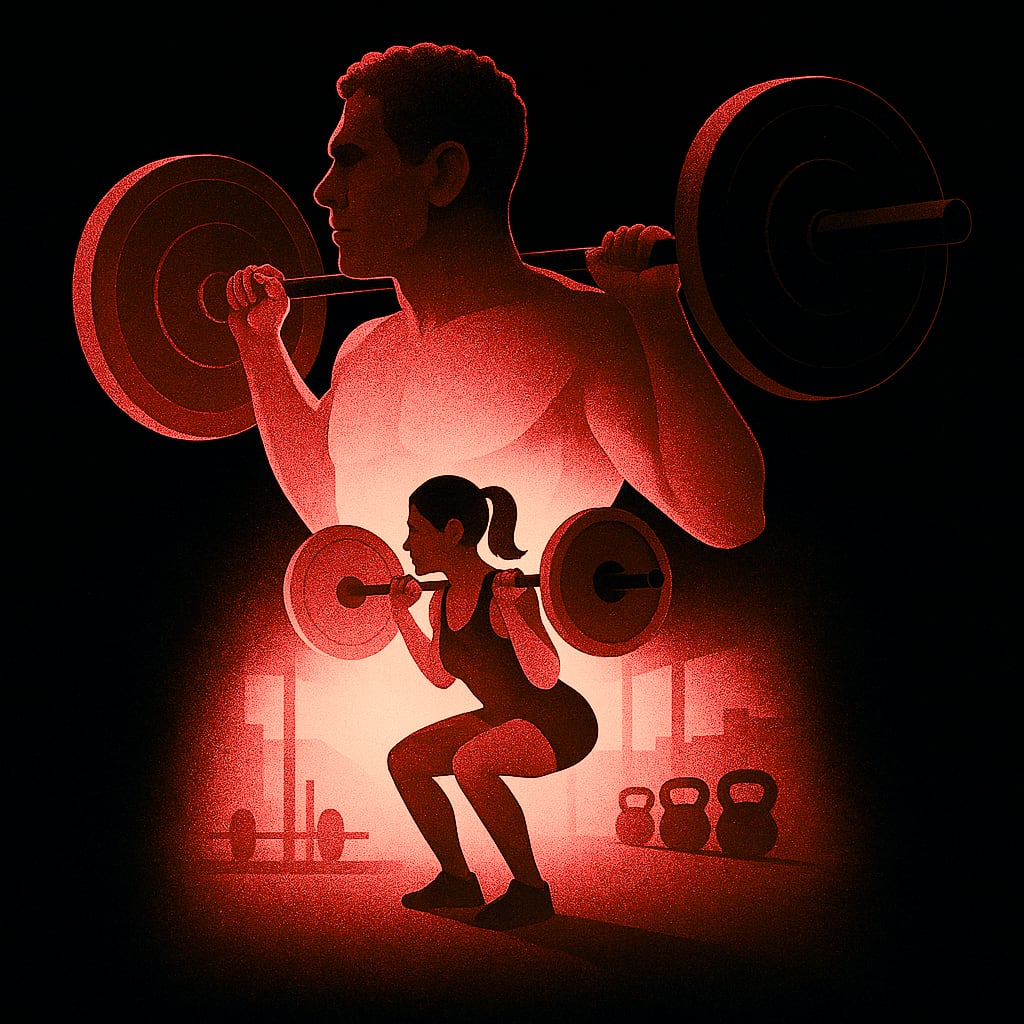
Boost testosterone levels through strength training for enhanced sexual health
Strength training, in particular, increases testosterone levels in both men and women, which is crucial for sexual desire and function.
Utilize PT-141 to enhance sexual desire in men and women
A peptide called PT-141 is available by prescription and has been shown to increase sexual desire in both men and women.

Reduce belly fat to boost testosterone and libido
For men, having more belly fat and insulin resistance leads to the body making more estrogen and less testosterone, which significantly impacts libido.
Eliminate sugar to boost sex drive
The biggest killer of sex drive is sugar, which drives insulin resistance and disrupts sex hormones in both men and women.
More from
Mark Hyman
Too Much Histamine Is Wrecking Your Body — And Most Doctors Don't Know It
How Brain Inflammation Drives Depression, Alzheimer's, and Parkinson's
Your Nervous System Controls Your Gut, Hormones, and Weight — Here's How to Fix It
3 Heart Experts Reveal What Really Prevents Heart Disease
Encore: Why Normal Cholesterol Doesn't Always Mean Low Heart Disease Risk
You also might be interested in

This Ancient Hack Reverses Aging In 72 Hours

The Potent Brain & Body Ketone Fuel You’ve Probably Never Heard Of: The Science Of R3HBG With Tecton’s Dr. Mike Chesne

1 Year of Lutein: Reversing Arterial Plaque

How To Maintain Muscle On A GLP-1, Why Protein Stops Working As You Get Older, The Truth About Eating “Before Bedtime” & More! Solosode #502
Essentials: Tools for Hormone Optimization in Males | Dr. Kyle Gillett