Liquid biopsies for early cancer detection, the role of epigenetics in aging, and the future of aging research | Alex Aravanis, M.D., Ph.D.
Peter Attia
Feb 19, 2024

Episode description
View the Show Notes Page for This Episode
Become a Member to Receive Exclusive Content
Sign Up to Receive Peter’s Weekly Newsletter
Alex Aravanis is a leader in research and development of technologies and clinical tests utilizing the latest tools in DNA analysis and data science. In this episode, Alex delves into two interconnected topics: liquid biopsies and epigenetics. He begins by tracing the trajectory of genome sequencing and tumor sequencing, setting the stage for a detailed exploration of liquid biopsies as an early cancer detection method. The discussion encompasses key concepts such as cell-free DNA, DNA methylation, sensitivity, specificity, and the predictive values associated with liquid biopsies. Transitioning to epigenetics, Alex examines the intricate interplay of DNA methylation and aging biology and explores the possibility of using cellular reprogramming to reverse epigenetic changes that occur with aging.
We discuss:
Alex’s background in applying engineering to problems in medicine [3:15];
A primer on human genetics, and the history and current landscape of DNA sequencing [11:00];
The advent and evolution of liquid biopsies for early detection of cancer [23:15];
The role of cell-free DNA in cancer detection: how incidental findings in non-invasive prenatal testing led to the development of liquid biopsies [40:15];
The development of a universal blood test for cancer detection and a discussion of specificity of tests [46:00];
Advancements in cell-free DNA analysis and development of a multi-cancer screening test at GRAIL [51:00];
DNA methylation explained [58:15];
Optimizing cancer detection with methylation analysis of cfDNA in small blood samples [1:02:45];
The importance of understanding sensitivity, specificity, positive predictive value, and negative predictive value in cancer screening [1:08:00];
The pe
Mindsip insights from this episode:
Recognize epigenetic changes as key to understanding aging
There is a growing view that epigenetic changes, like DNA methylation, are the "hallmark of hallmarks" of aging, potentially controlling all other aspects of the aging process.

Utilize Grail test to detect aggressive cancers
The Grail test is a functional assay that detects cancers active enough to shed DNA into the blood, meaning it naturally selects for more aggressive and dangerous tumors.

Leverage Grail test's 40% predictive value for cancer screening
In a population study, the Grail gallery test demonstrated a positive predictive value of around 40%, which is exceptionally high for a broad cancer screening test.
Leverage prenatal screening for early cancer detection
The potential for liquid biopsy cancer screening was accidentally discovered when non-invasive prenatal tests incidentally detected DNA patterns from undiagnosed cancers in pregnant women.
Utilize methylation patterns for sensitive cancer detection
After testing all possible signals in cell-free DNA, methylation patterns proved to be by far the most sensitive and specific for detecting cancer and even predicting its origin.

Leverage rapid genome sequencing advancements for health insights
The cost to sequence a human genome has dropped much faster than Moore's Law, from hundreds of millions of dollars in 2001 to just a couple of hundred dollars today.
Understand cell-free DNA size for better health insights
Circulating cell-free DNA fragments are typically 160 base pairs long because this is the length of DNA that wraps twice around a protective protein structure called a nucleosome.
Reset epigenetics to rejuvenate cells and restore youthfulness
A key hypothesis in longevity is that if you could reset a cell's epigenetic patterns to a younger state, you could potentially rejuvenate the cell and restore its youthful function.
More from
Peter Attia

#399 ‒ The evolution of Alzheimer's disease and dementia care: how early detection, personalized treatment, new therapies, and a multimodal approach are changing the landscape | Gayatri Devi, M.D.
Building strength and muscle mass: how to optimize training, nutrition, and more for longevity (AMA #71 rebroadcast)
#398 ‒ AMA #86: GLP-1 RAs and muscle loss: new data, better questions, and how to preserve muscle during weight loss
#397 ‒ Endometriosis and adenomyosis: diagnosis, fertility, reproductive aging, and emerging treatments | Renato Tomioka, M.D., Ph.D.
#396 ‒ Breast cancer screening: understanding risk, deciding when to start and how often to screen, and choosing the right imaging strategy
You also might be interested in
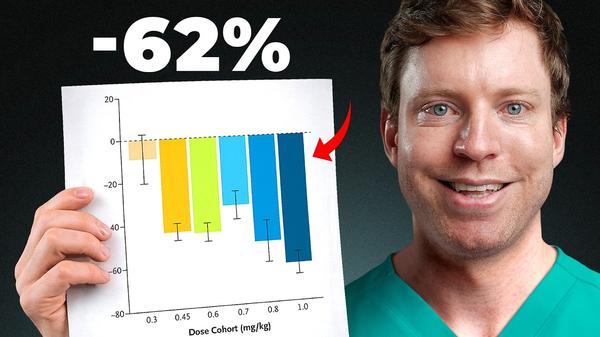
Did One Tiny Tweak Just Solve Heart Disease?

A-List Celebrities' Anti-Aging Hack to Look 30 At 50 (Drug-free)
How Genes Shape Your Risk Taking & Morals | Dr. Kathryn Paige Harden
Behaviors That Alter Your Genes to Improve Your Health & Performance | Dr. Melissa Ilardo

EXOSOMES: Everything You Need To Know About the Darling Molecules of the Anti-Aging Industry, With JuveXO's Brian Pla.