Women's health and performance: how training, nutrition, and hormones interact across life stages | Abbie Smith-Ryan, Ph.D.
Peter Attia
Jan 5, 2026
Episode description
View the Show Notes Page for This Episode
Become a Member to Receive Exclusive Content
Sign Up to Receive Peter's Weekly Newsletter
Abbie Smith-Ryan is a leading researcher in exercise physiology whose work focuses on how training and nutrition influence body composition, metabolism, cardiovascular health, and women's health across the lifespan, with particular attention on perimenopause and post-menopause. In this episode, Abbie explains how early exercise and play help build the foundation for bone health, muscle development, and cardiorespiratory fitness in girls, as well as how puberty and menstruation shape athletic performance, motivation, and recovery. She also explores how women can tailor training and nutrition across the menstrual cycle through smart fueling, hydration, and inflammation management; examines the evidence behind supplements such as creatine, omega-3s, and magnesium; and unpacks the metabolic and body composition changes that accompany the transition into perimenopause and menopause. Finally, she covers practical exercise programming for busy women, training and nutrition considerations during pregnancy and postpartum, and the evolving role of hormone therapy alongside lifestyle-based, evidence-driven approaches that help women better advocate for their health.
We discuss:
Abbie's background in distance running and her interest in studying women's health around exercise [3:00];
The role of early-life exercise in building lifelong bone, muscle, and cardiovascular health in girls [4:00];
Training principles for premenstrual girls, the risks of early specialization and delayed puberty from intense training, and how youth sport participation can shape bone and spinal health [7:15];
Nutrition as fuel in young female athletes: supporting training, growth, and performance [11:00];
Training and recovery across the menstrual cycle: recovery, nutrition, supplements, and practical strategies for performance support [16:00];
The benefits of creatine supplementation and importance of protein intake across the menstrual cycle [27:15];
How women should approach training intensity and volume across the menstrual cycle [33:00];
How to identify and monitor the perimenopausal transition and why this phase represents a critical window for exercise and nutrition interventions [3
Mindsip insights from this episode:
Prioritize recovery during luteal phase for better performance
While peak performance can often be maintained during the difficult luteal phase of the menstrual cycle, the primary focus should be on enhancing recovery to manage fatigue and inflammation.

Increase metabolism during luteal phase for better health insights
During the luteal phase, a woman's metabolic rate can increase by a couple of hundred calories a day, which is often masked by water retention on the scale.

Prevent scoliosis in young female athletes through balanced training
Young female athletes in asymmetric sports like gymnastics and high jump often develop a distinct spinal curve or scoliosis due to repetitive, one-sided movements.
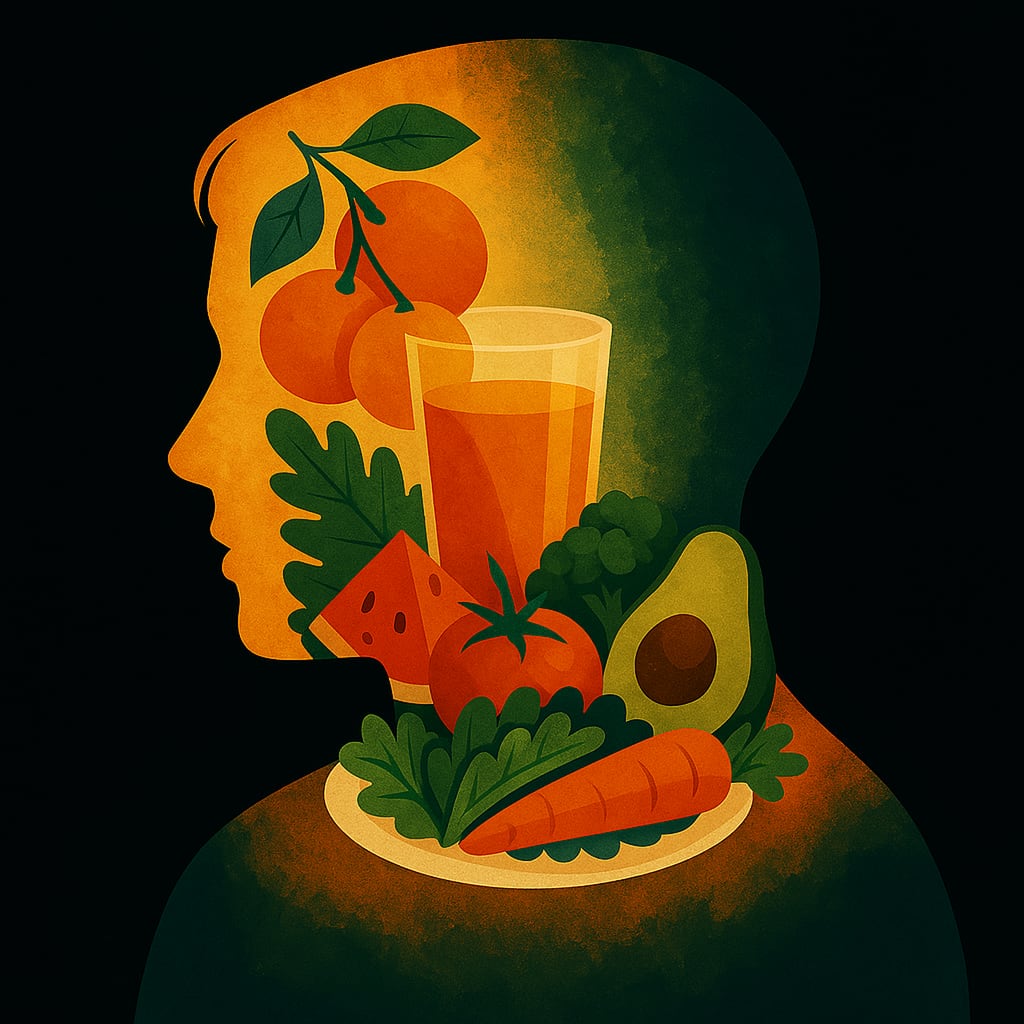
Prioritize whole foods to eat more and get leaner
To get leaner, you may actually need to eat more frequently by prioritizing whole, nutrient-dense foods throughout the day, rather than simply restricting calories.
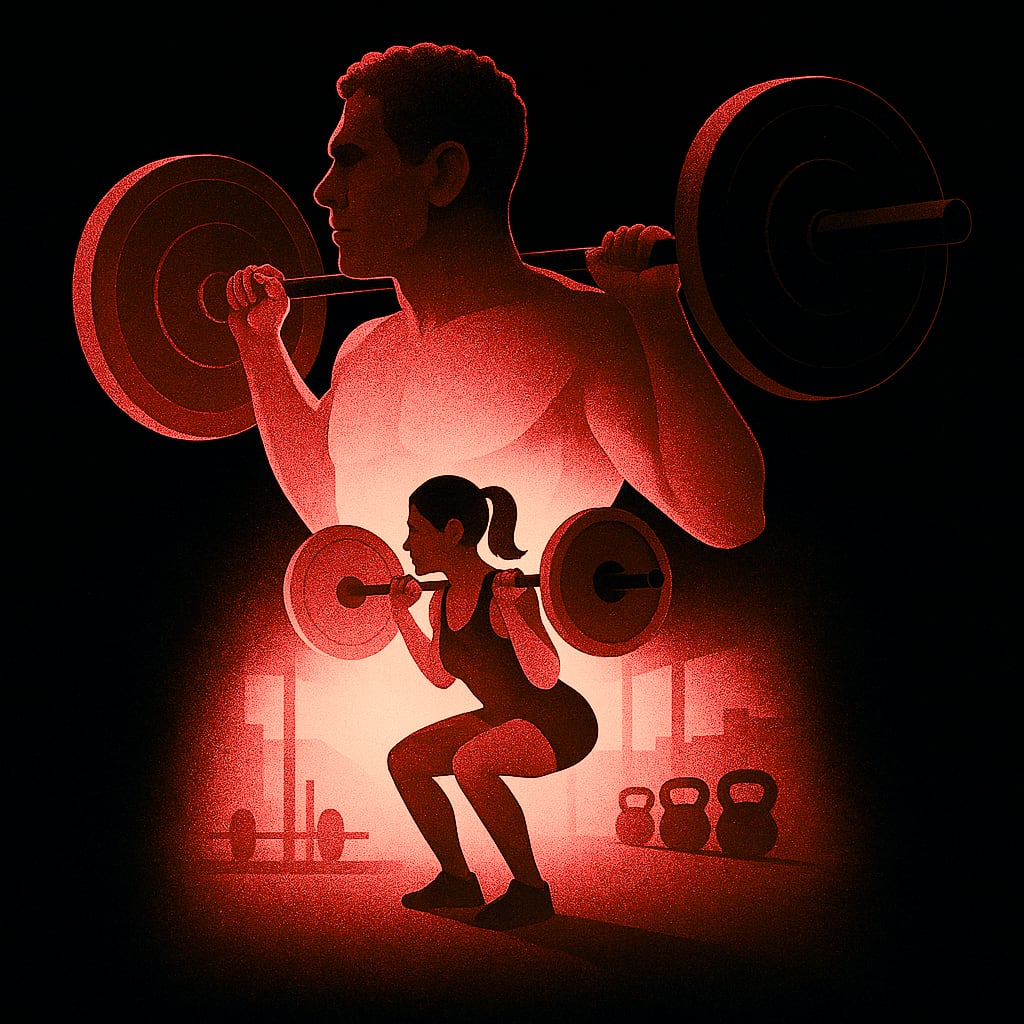
Implement 10 sets of one-minute HIIT for maximum efficiency
A highly effective and time-efficient HIIT protocol consists of 10 sets of a one-minute all-out effort followed by one minute of rest.
Address under-fueling to alleviate perimenopause symptoms
Many symptoms attributed to perimenopause, such as fatigue and hormonal drops, can actually be caused by chronic under-fueling and relative energy deficiency syndrome.

Increase creatine intake to support brain and muscle health in women
The recommended maintenance dose of creatine for women is increasing from 5 grams to as much as 10 grams per day, especially for midlife women, to support brain and muscle health.

Make lifestyle changes during perimenopause for better health
The perimenopausal transition, not post-menopause, is the most critical window to make lifestyle changes, as this is when muscle quality and metabolic flexibility decline most significantly.
Reduce menstrual bloating with creatine supplementation
Creatine supplementation can help reduce bloating in the luteal phase by pulling extracellular fluid into the muscle cell, which can also indirectly support performance.
More from
Peter Attia

#399 ‒ The evolution of Alzheimer's disease and dementia care: how early detection, personalized treatment, new therapies, and a multimodal approach are changing the landscape | Gayatri Devi, M.D.
Building strength and muscle mass: how to optimize training, nutrition, and more for longevity (AMA #71 rebroadcast)
#398 ‒ AMA #86: GLP-1 RAs and muscle loss: new data, better questions, and how to preserve muscle during weight loss
#397 ‒ Endometriosis and adenomyosis: diagnosis, fertility, reproductive aging, and emerging treatments | Renato Tomioka, M.D., Ph.D.
#396 ‒ Breast cancer screening: understanding risk, deciding when to start and how often to screen, and choosing the right imaging strategy
You also might be interested in

Too Much Histamine Is Wrecking Your Body — And Most Doctors Don't Know It

This Ancient Hack Reverses Aging In 72 Hours

The Potent Brain & Body Ketone Fuel You’ve Probably Never Heard Of: The Science Of R3HBG With Tecton’s Dr. Mike Chesne

1 Year of Lutein: Reversing Arterial Plaque

How To Maintain Muscle On A GLP-1, Why Protein Stops Working As You Get Older, The Truth About Eating “Before Bedtime” & More! Solosode #502