10-Minute Weekly Update
Dave Asprey
26 sept 2025

Mindsip insights from this episode:
Improve sleep quality with Kill Switch hot cocoa supplement
The Kill Switch supplement is a hot cocoa drink with GABA, magnesium glycinate, and tart cherry extract designed to improve sleep without causing grogginess.

Match senolytics to specific cell subtypes for effective treatment
Senescent cells are a diverse "zoo," and effective treatment requires matching the senolytic to the specific cell subtype and its cycle status.
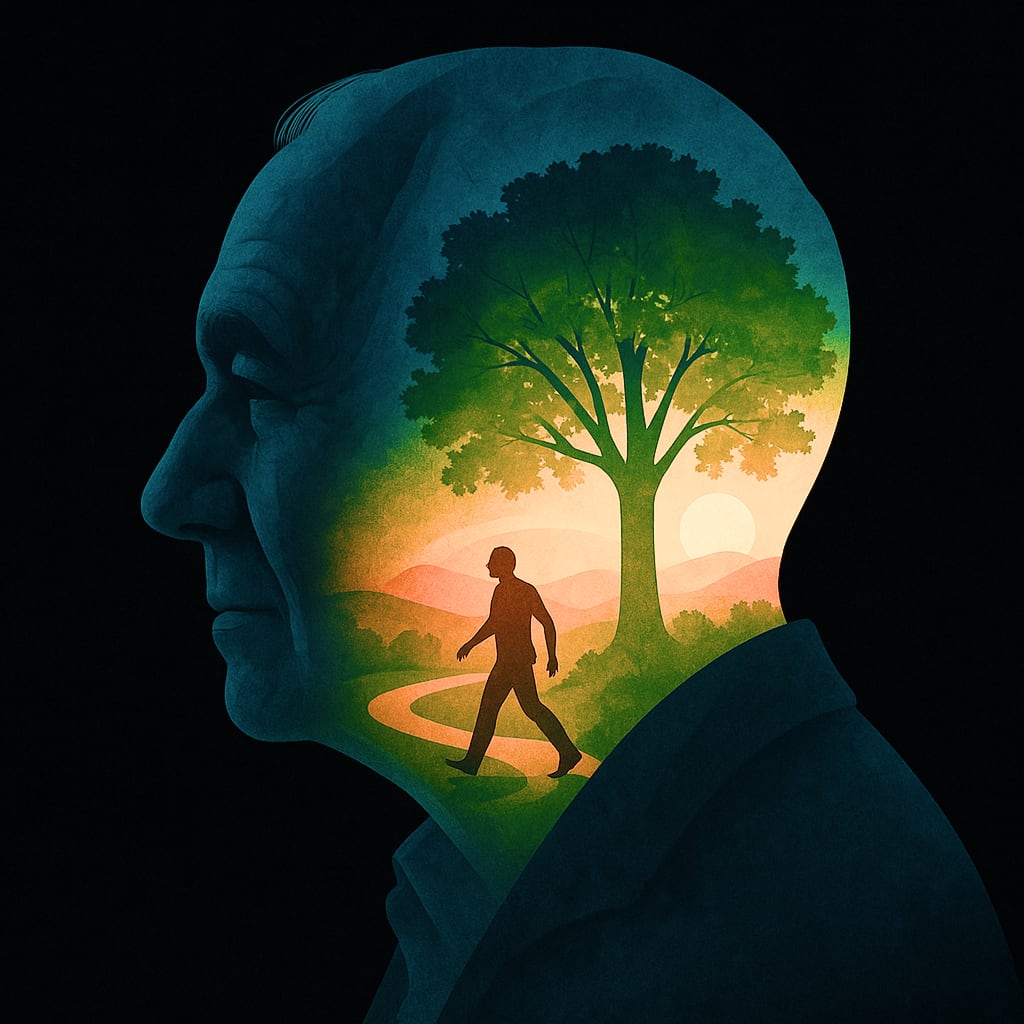
Implement intermittent "hit and run" senolytic dosing to minimize cell stress
Use intermittent "hit and run" dosing for senolytics rather than a daily drip to reduce collateral stress on healthy cells.
Challenge AI algorithms to ensure Medicare coverage access
A new federal pilot program could allow algorithms to approve or deny Medicare coverage, acting as an opaque "financial bouncer at the clinic door.".
Regrow natural teeth with antibody therapy
Human trials are underway for an antibody therapy that could make age-related tooth loss a reversible condition by regrowing natural teeth.

Foster community and enhance mitochondria for superaging
Research on "superagers" points to a combination of social engagement and distinct brain architecture, or "mitochondria plus community," as protective against aging.

Utilize Lima laser for at-home cellular skin repair
The Lima laser is a clinic-grade cold laser for at-home use that triggers skin repair at the cellular level, not just the surface.
Prioritize lifestyle changes over rapamycin for longevity benefits
Despite animal studies, clinical evidence for rapamycin's lifespan benefits in healthy humans is lacking, and lifestyle levers like fasting hit the same pathway with fewer unknowns.
Utilize health AI as radar to identify risks and prompt action
Treat AI health diagnostics not as a definitive answer but as a 'radar' that flags risk, prompting you to ask for the data behind the score and a concrete action to improve it.
Train your visual system to enhance focus and reduce fatigue
You can train your visual system to rebuild the eye-brain connection, sharpen focus, and reduce fatigue from screen time using science-backed methods.

Use apple cider vinegar to manage blood sugar spikes
Apple cider vinegar does not cause fat loss, but it can help some people blunt a blood sugar spike when one tablespoon is diluted in water before a carb-heavy meal.
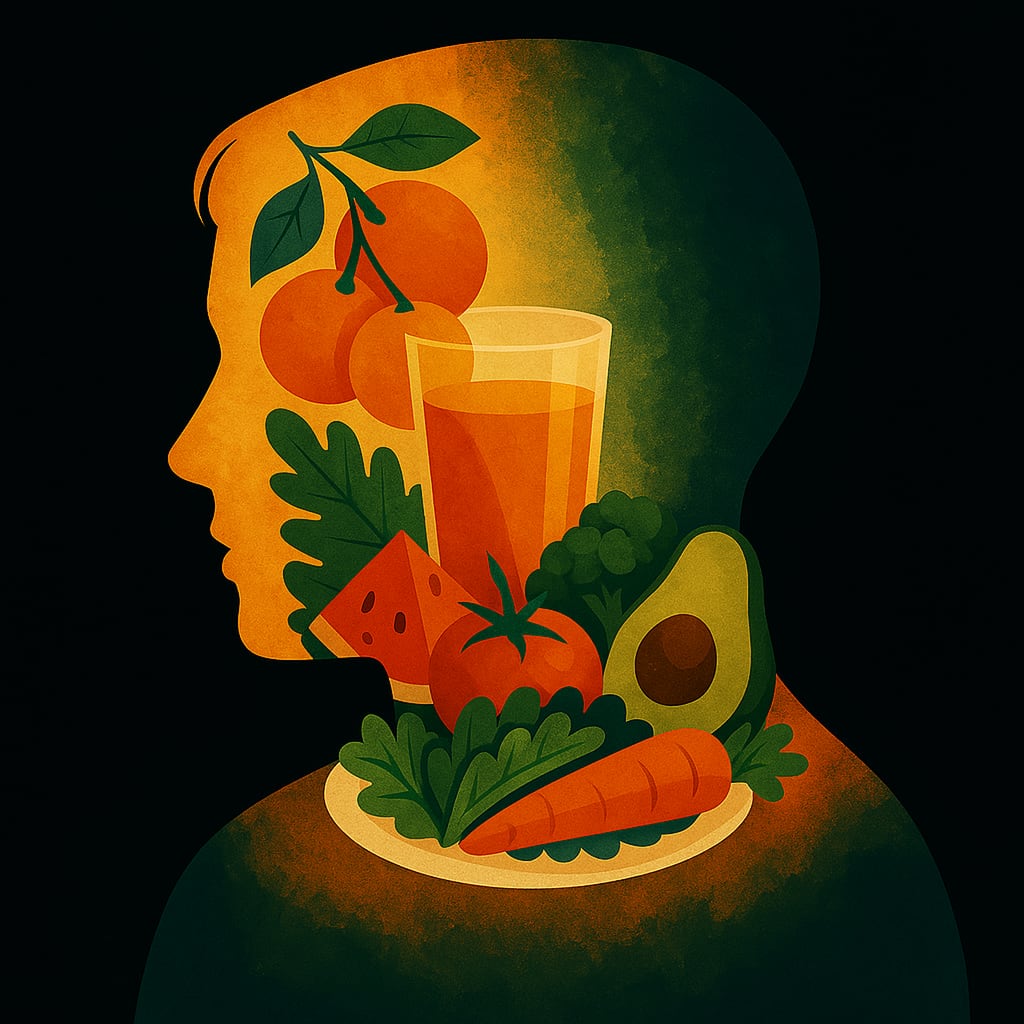
Build NAD ecosystem by lowering inflammation and addressing NAD thieves
To effectively boost NAD, you must not only take precursors like NMN but also lower inflammation and address 'NAD thieves' like the enzyme CD38.

Date your supplements and cycle for optimal benefits
Instead of taking a molecule like NMN continuously, you should test it, track real metrics, and cycle off for a bit if the benefits flatten over time.
Track deep sleep, REM minutes, and resting heart rate for brain health
To improve brain health, focus on tracking and improving three specific metrics: deep sleep minutes, REM minutes, and your morning resting heart rate.
Protect sleep and journal to lock in psilocybin gains
The 10-14 days after a psilocybin session are a critical window to 'lock in the gains' by protecting sleep, journaling, and keeping digital noise low.
More from
Dave Asprey


You also might be interested in

6 Simple Rules for a Long, Healthy Life w/ Dr. Ezekiel Emanuel

AMA #78: Longevity interventions, exercise, diagnostic screening, and managing high apoB, hypertension, metabolic health, and more
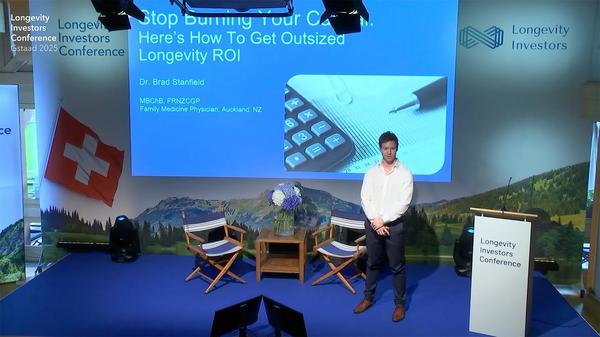
The Truth About What’s Failing in Longevity Science
Essentials: The Biology of Slowing & Reversing Aging | Dr. David Sinclair

Anti-Aging Secrets Of The World's Longest-Lived Woman, The Top Longevity "Drugs", Fat Loss & Muscle Gain Tips & Much More! Q&A 494