The Foods That Starve Cancer | William Li
Dave Asprey
Jun 9, 2026

Episode description
Dr. William Li: Eat to Beat Disease, Extend Longevity, and Hack Your Vascular Health
Your body already has a built-in cancer defense system, and the foods you eat can rival prescription drugs at activating it. In this episode, you'll discover what 720,000 living centenarians reveal about longevity, why microplastics are reaching your brain through your nose, and how your blood vessels hold the real key to biological aging.
-Watch this episode on YouTube for the full video experience: https://www.youtube.com/@DaveAspreyBPR
Host Dave Asprey sits down with Dr. William Li, an internationally renowned physician, scientist, and two-time New York Times bestselling author of "Eat to Beat Disease" and "Eat to Beat Your Diet." As President and Medical Director of the Angiogenesis Foundation, Dr. Li's groundbreaking research has led to the development of more than 40 new medical treatments impacting care for over 70 diseases including diabetes, heart disease, blindness, and obesity. His TED Talk, "Can We Eat to Starve Cancer?", has surpassed 11 million views, making him one of the most trusted voices at the intersection of functional medicine and food as medicine science.
Together they dig into the biology of SuperAgers, the vascular markers that predict how long you'll live, and why flow-mediated dilation may be the most underrated biohacking measurement tool available today. Dave shares what happened after four separate gene therapies, including klotho and VEGF, and Dr. Li explains why your metabolism, mitochondria, and gut microbiome show up in the data on every centenarian ever studied. They also get into the microplastic crisis, the cribriform plate pathway that delivers airborne particles directly to your brain, and why your tongue is the first place your body quietly stores fat.
You'll Learn:
What centenarian research reveals about immune function, gut health, and vascular resilience
Why 50% of food extracts matched or outperformed cancer drugs in head-to-head angiogenesis testing
How microplastics travel through your nose directly to your central nervous system
What flow-mediated dilation and pulse wave velocity tell you about your true biological age
Why your hind-third tongue fat is an overlooked early warning sign for sleep apnea and metabolism problems
What Dave's four gene therapies (klotho, VEGF, follistatin) actually did to his body
How the vagus nerve connects gut health to brain optimization, stress resilience, and longevity
Why genetics now accounts for roughly half of longevity outcomes, and what that means for the future of gene therapy
How to use biohacking tools to compound your health the same way you compound financial returns
Tha
Mindsip insights from this episode:
Beware microplastics entering the brain through nasal inhalation
We can deliver microplastics directly into our central nervous system by breathing them in through our nose, bypassing the blood-brain barrier via the olfactory nerves.

Recognize fat tongue as a sign of poor metabolism and sleep apnea risk
One of the first detectable places extra body fat accumulates is in the back third of the tongue, which is a major contributor to sleep apnea.

Utilize potent foods to combat tumor growth
In a blinded experiment, 50% of tested food extracts were as potent or more potent than cancer drugs at stopping angiogenesis, the process tumors use to grow blood vessels.

Reduce exposure to microplastics from air pollution
The most common source of microplastics we encounter is not from food or water but from the air we breathe, with car tires being a primary contributor.

Reduce microplastics exposure to lower heart attack and stroke risk
A 2024 study found that people with microplastics in their arterial plaque had a fourfold increase in the risk of heart attack, stroke, or death over three years.
Acknowledge genetics' role in longevity for better health choices
Recent studies show that genetics account for about half of longevity, a larger role than previously thought, with the other half being environment and lifestyle.

Maintain balance with body's natural angiogenesis inhibitors
The body has a natural, self-regulating system of endogenous angiogenesis inhibitors that acts like a landscaper, mowing down excess blood vessels to maintain balance.
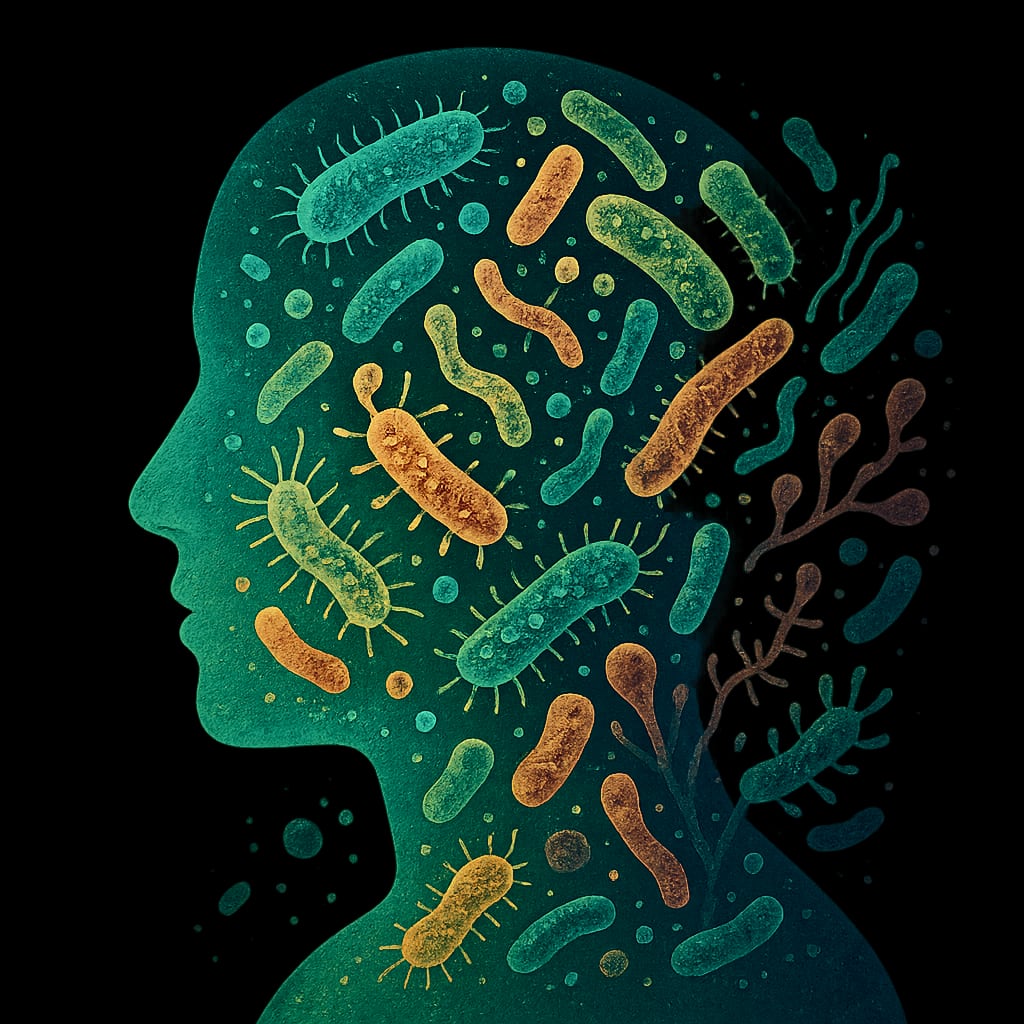
Preserve stem cells to maintain smell memory function
Stem cells located near your olfactory nerves help create memories of smells, and a depletion of these stem cells is seen in Alzheimer's patients.
More from
Dave Asprey

This Ancient Hack Reverses Aging In 72 Hours

Jordan Harbinger: Fight-or-Flight, Two Kidnappings, and the Wallet Ruining Your Spine

The Foods, Drinks, and Daily Habits Wrecking Your Brain (Surprising!) | David Perlmutter

The 1910 Secret: How Light Turns Water Into Medicine | Brain Richards

I Tried EVERY Legal Focus Drug, Here’s What Actually Works
You also might be interested in

Too Much Histamine Is Wrecking Your Body — And Most Doctors Don't Know It

The Potent Brain & Body Ketone Fuel You’ve Probably Never Heard Of: The Science Of R3HBG With Tecton’s Dr. Mike Chesne

1 Year of Lutein: Reversing Arterial Plaque

How To Maintain Muscle On A GLP-1, Why Protein Stops Working As You Get Older, The Truth About Eating “Before Bedtime” & More! Solosode #502
Essentials: Tools for Hormone Optimization in Males | Dr. Kyle Gillett