#112 How To Slow Biological Aging With a Multivitamin, Vegetables, & Omega-3 | Dr. Steve Horvath
Rhonda Patrick
Jun 7, 2026

Episode description
The strongest anti-aging strategy may be less about dramatic reversal and more about removing what accelerates aging in the first place. In this episode, Dr. Steve Horvath maps out the science behind biological age and how aging clocks are changing the way researchers evaluate longevity interventions. He also explains why omega-3s, a daily multivitamin, and sufficient vegetable intake stand out as evidence-backed, compounding levers for shifting biological age over time.
Timestamps:
(00:00) Introduction
(07:05) What exactly is biological aging?
(12:39) Do all aging clocks measure the same thing?
(18:22) PhenoAge vs. GrimAge—how methylation reveals mortality risk
(20:27) Why GrimAge is a powerful mortality predictor
(24:10) How your epigenome remembers long-term stress
(28:08) Can parents pass stress to offspring through the epigenome?
(30:12) Why standard aging clocks fail in sperm
(31:35) Can lifestyle changes reverse GrimAge?
(33:24) How DunedinPACE tracks your aging speed
(37:26) Which clock is best for testing longevity interventions?
(39:47) Can methylation clocks replace long-term mortality studies?
(43:33) Which interventions most reliably reverse epigenetic age?
(46:31) Can someone reverse biological age by 5 years in 7 months?
(50:49) Can GrimAge predict when you'll die?
(52:36) Why a younger GrimAge doesn't mean more years of life
(57:21) What epigenetic clocks fail to capture
(1:03:26) Why aging clocks measure more than just inflammation
(1:06:02) Does younger blood rejuvenate the whole body?
(1:09:52) Can calorie restriction really slow biological aging?
(1:14:00) Do GLP-1 drugs reverse epigenetic age?
(1:17:29) Can a daily multivitamin slow epigenetic aging?
(1:26:11) Omega-3, vitamin D, and exercise—which slows aging best?
(1:34:01) Does correcting vitamin D deficiency reverse age acceleration?
(1:36:29) Vegetables vs. exercise—which matters more for epigenetic age?
(1:42:04) Does red meat accelerate epigenetic aging?
Mindsip insights from this episode:
Reassess red meat consumption's impact on epigenetic age
Contrary to popular belief, a large study found that red meat consumption had a barely noticeable and negligible effect on increasing epigenetic age.

Strengthen social connections to reverse aging signals
A recent Harvard study found that strong social connection had a more significant positive effect on epigenetic aging clocks than traditional stress biomarkers like cortisol.
Recognize temporary rejuvenation effects from young blood exposure
In mouse studies, the rejuvenating benefits from young blood exposure are transient, with epigenetic age bouncing back to old levels after the treatment is stopped.
Recognize limitations of epigenetic clocks in measuring aging
Epigenetic clocks are not a complete measure of aging, as they fail to capture key hallmarks like the accumulation of senescent cells or telomere shortening.
Utilize methylation estimates to better predict mortality risk
The methylation-based estimate of biomarkers like C-reactive protein is a better predictor of your mortality risk than the actual plasma measurement of that biomarker.
Prioritize vegetable consumption over exercise for epigenetic health
In one large dataset, blood markers for vegetable consumption showed a correlation with lower epigenetic age that was three times stronger than the correlation for exercise.
Understand biological age as a measure of risk, not lifespan
A younger biological age result does not mean you will live that many years longer, but rather that you have a lower instantaneous risk of dying compared to your peers.

Engage in intense exercise to reverse biological aging
While simple step counting has a weak effect, a study of 4.5 hours of cycling per week reversed GrimAge by 7 months, suggesting a high threshold of exercise is needed to impact clocks.

More from
Rhonda Patrick
#111 The Optimal Mobility Protocol for a Durable Body | Dr. Kelly Starrett
#110 How To Build Lasting Happiness | Dr. Arthur Brooks
#109 How To Boost NAD Levels To Fight Inflammation, Improve Recovery, and Slow Aging | Dr. Charles Brenner
#108 The Best Type of Exercise for Longevity

#104 Dr. Ben Bikman: How To Reverse Insulin Resistance Through Diet, Exercise, & Sleep
You also might be interested in

The Anti-Aging Supplement Everyone Took Never Worked
Putin Longevity, Pancreatic Cancer Cure, AI Therapy, GLP-1 Breast Cancer...
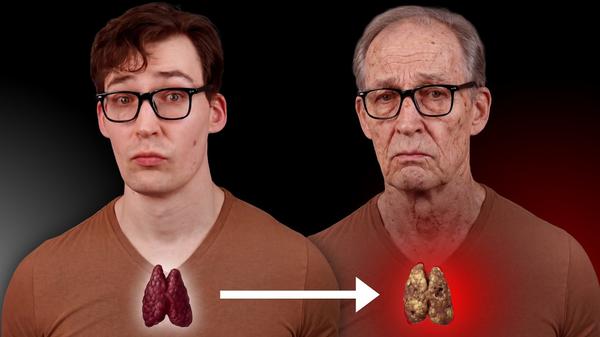
Preserve this Disappearing Organ - It may mean a Longer Life!
ONE Tiny Blood Spot = HUNDREDS (!) Of Biomarkers, Age & Disease Prediction With Dr. Matt Dawson
CDC Director Jim O'Neill on Fixing America's Broken Food Policy