STOP Intermittent Fasting If You Want to Stay Young
Dave Asprey
Feb 3, 2026
Episode description
STOP intermittent fasting if you think it automatically keeps you young. In this episode, you’ll learn why short-term fasting results can mislead long-term aging outcomes, and how duration, frequency, refeeding, and protein intake determine whether fasting supports longevity or quietly accelerates decline.
Watch this episode on YouTube for the full video experience:
https://www.youtube.com/@DaveAspreyBPR
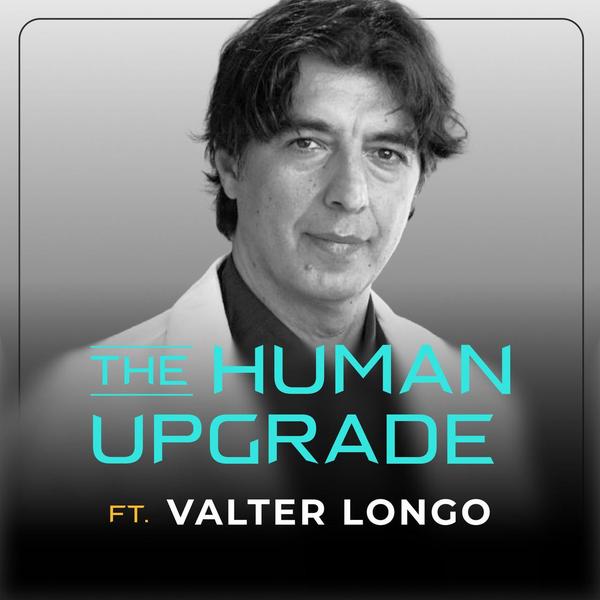
Host Dave Asprey sits down with Valter Longo, one of the world’s leading longevity researchers with over 30 years of experience studying aging, nutrition, and disease prevention. Dr. Longo is the Director of the Longevity Institute at the University of Southern California’s Leonard Davis School of Gerontology and the Director of the Longevity and Cancer Program at IFOM, the Italian Foundation for Cancer Research Institute of Molecular Oncology in Milan. He is the author of the bestselling book The Longevity Diet and was named one of TIME Magazine’s 50 most influential people in health care for his research on fasting-mimicking diets.
Together, Dave Asprey and Dr. Longo explain why many people focus too heavily on short-term effects and extrapolate them incorrectly across a lifetime. They break down how intermittent fasting differs biologically from multi-day fasting, why five-day fasting cycles trigger deeper cellular changes, and how insulin, IGF-1, mTOR, and growth hormone shape aging, regeneration, and disease risk over time.
The conversation covers protein and amino acid intake, muscle preservation, frailty risk, and the tradeoffs between strength, function, and longevity. They explore ketosis, fasting-mimicking diets, stem cell activation, mitochondrial function, neuroplasticity, and why equilibrium and cycling matter more than constant restriction. Dave and Valter also discuss supplements, nootropics, creatine, carnivore-style eating, metabolism, sleep optimization, and how AI may eventually personalize fasting and nutrition based on individual biology rather than population averages.
You’ll learn:
• Why short-term fasting benefits do not predict long-term longevity
• How fasting duration changes gene expression and cellular regeneration
• The difference between intermittent fasting and multi-day fasting
• How protein and amino acids influence mTOR, IGF-1, and aging
• Why muscle, strength, and longevity must be balanced, not maximized
• When ketosis overlaps with fasting and when it does not
• Why supplements can disrupt biological equilibrium
• How AI could support future personalization in fasting and nutrition
Dave Asprey is a four time New York Times bestselling author, founder of Bulletproof Coffee, and the father of biohacking. With over 1,000 interview
Mindsip insights from this episode:
Prioritize Mediterranean diet over short-term interventions for longevity
People mistakenly focus on short-term effects of an intervention, like those from GLP-1 drugs, which may be less effective for long-term longevity than something like the Mediterranean diet.

Maintain equilibrium instead of megadosing for longevity
Megadosing supplements can disrupt the sophisticated equilibrium the body has built over billions of years, leading to unknown long-term consequences.
Maintain healthy body fat to support aging
Especially after age 65, having very low body fat may be problematic as the body starts losing weight and fat serves as important energetic and stem cell reserves.

Reprogram old cells with Fasting Mimicking Diet
The Fasting Mimicking Diet can turn on reprogramming factors, like Yamanaka factors, which can bring an old cell back to an embryonic-like state in a coordinated way.
Avoid long water fasts to protect gut health
Unlike the Fasting Mimicking Diet, prolonged water-only fasting was shown in mice to increase the leakiness of the gut.
Implement protein restriction for enhanced longevity
Over 100 years of data, the only intervention to consistently make mice and rats longer-lived without calorie restriction is protein restriction.
Prioritize growth hormone axis for optimal longevity
The most powerful and important longevity pathway to modulate is the growth hormone axis, even more so than the mTOR pathway.
Shift focus to amino acid profiles for optimal diet impact
The conversation should shift from 'protein' to the specific 'amino acid profile' of a diet, as the effects can vary up to five-fold between different protein sources.
More from
Dave Asprey

This Ancient Hack Reverses Aging In 72 Hours

Jordan Harbinger: Fight-or-Flight, Two Kidnappings, and the Wallet Ruining Your Spine

The Foods, Drinks, and Daily Habits Wrecking Your Brain (Surprising!) | David Perlmutter

The 1910 Secret: How Light Turns Water Into Medicine | Brain Richards
I Tried EVERY Legal Focus Drug, Here’s What Actually Works
You also might be interested in

The Anti-Aging Supplement Everyone Took Never Worked

#112 How To Slow Biological Aging With a Multivitamin, Vegetables, & Omega-3 | Dr. Steve Horvath
Preserve this Disappearing Organ - It may mean a Longer Life!

ONE Tiny Blood Spot = HUNDREDS (!) Of Biomarkers, Age & Disease Prediction With Dr. Matt Dawson
The Anti-Aging Supplement Scam (New Evidence)