Cardiologist: You’re Losing 15 Years of Your Life… And You Don’t Even Know It | Eric Topol
Rangan Chatterjee
Feb 18, 2026
Episode description
This episode is brought to you by:
BON CHARGE: Save 20% off all Bon Charge products with code LIVEMORE https://boncharge.com/livemore
PELOTON: Let yourself ride, lift, stretch, move and go. Explore the new Peloton Cross Training Bike+ at https://onepeloton.co.uk
What if the secret to living well into your 80s and 90s is nothing to do with your DNA? What if the longevity hackers have got it wrong, and it’s actually far more simple than you think to become a ‘super ager’?
We all want to live a long, happy and healthy life. But with the vast majority of US and UK people over 60 having at least one chronic disease, the odds are currently stacked against us. Or are they? In this enlightening episode, you’ll learn why healthspan matters more than lifespan – and why it’s never too late, or too early, to take action.
My guest is Dr Eric Topol, a practising cardiologist, Professor of Molecular Medicine, and one of the top 10 most cited researchers in medicine. Eric has spent his career at the forefront of genomics and artificial intelligence. Yet in his new book Super Agers: An Evidence-Based Approach To Longevity, he sets out a surprisingly low-tech solution to ageing well. And it’s one that has nothing to do with your parents’ health.
In this episode, Eric talks me through what his Wellderly Project – research on remarkably healthy people in their late 80s – revealed about the health metrics that matter. He explains his ‘lifestyle plus’ approach to health, which includes not just the basics like nutrition, exercise and sleep, but evidence-based influences such as environmental toxins, emotional outlook and social connections. His message is an empowering one: making the right choices today could add seven to 10 healthy years to your life, regardless of your family history.
We tackle some thought-provoking topics, such as the idea that cancer screening isn’t working, and that forever chemicals and microplastics are far more dangerous than we’ve been led to believe. We discuss the personalisation of healthcare – how knowledge of your own data is the most effective way to drive behaviour change. And Eric shares his positive insights on how AI will be able to help us predict – and take control of – our future health.
The ‘big three’ chronic diseases, cancer, heart disease and neurodegeneration, start developing 20 years before we see symptoms. So that’s a big window of time in which you can make a difference to your risk – and a truly empowering message you can start acting on today.
#feelbetterlivemore
Find out more about Dr Topol:
Website https://www.scripps.edu/faculty/topol/
Instagram https://www.instagram.com/erictopol1/?hl=en
Twitter https://twitter.com/EricTopol
YouTube https://www.youtube.com/@EricTopolSRTI
Dr Topol’s books:
Super Agers: An Evidence-Based Approach to Longevity UK https://amzn.to/4azt0rQ US https://amzn.to/4kXxEVr
#feelbetterlivemore #feelbetterlivemorepodcast
-------
Order MAKE CHANGE THAT LASTS. US & Canada version https://amzn.to/3RyO3SL, UK version https://amzn.to/3Kt5rUK
-----
Follow Dr Chatterjee at:
Website: https://drchatterjee.com/
Facebook: https://www.facebook.com/drchatterjee
Twitter: https://twitter.com/drchatterjeeuk
Instagram: https://www.instagram.com/drchatterjee/
Newsletter: https://drchatterjee.com/subscription
DISCLAIMER: The content in the podcast and on this webpage is not intended to constitute or be a substitute for professional medical advice, diagnosis, or treatment. Never disregard professional medical advice or delay in seeking it because of something you have heard on the podcast or on my website.
Mindsip insights from this episode:
Leverage personal data to inspire lasting lifestyle changes
Seeing your own personal data, like high BPA levels in a blood test or a high polygenic risk score, is far more powerful for motivating lasting lifestyle changes than generic advice.
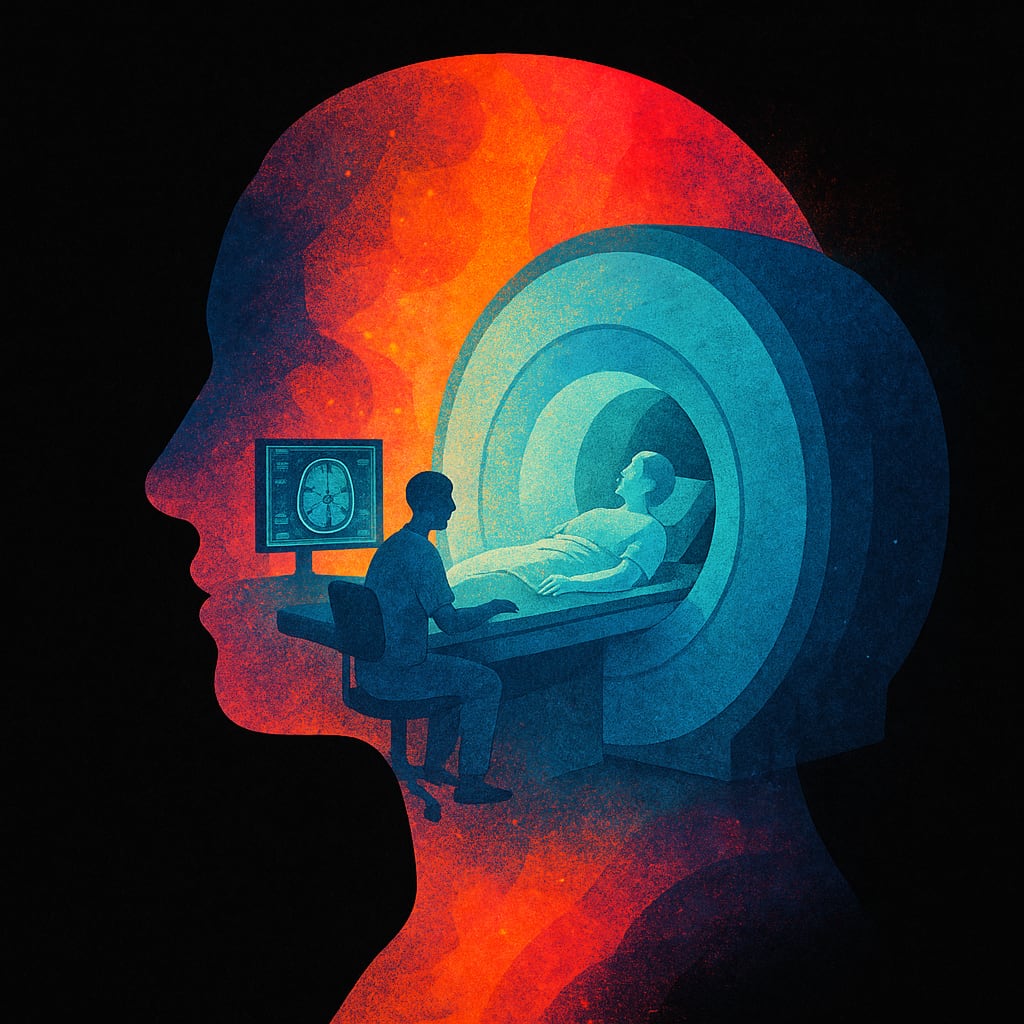
Lower Alzheimer's risk with P-tau217 blood test and lifestyle changes
A blood test for P-tau217 can identify high risk for Alzheimer's disease years in advance, and this marker can be lowered through lifestyle changes like exercise.
Prioritize healthspan over lifespan for functional aging
Obsessing over living to 120 is 'crazy' when we should be focused on extending our years of healthy, functional aging, known as healthspan.

Prioritize walking for significant health protection
A recent large study found that walking stands out as a major protective activity for health, and its benefits are more significant than many people think.

Rethink breast cancer screening with individualized genetic risk scores
Screening all women for breast cancer based on age is a 'dumb and wasteful' approach that creates massive anxiety from false positives; we should instead use individualized genetic risk scores.

Prioritize lifestyle and immune health for healthy aging
The 'Wellderly' project, which studied super-agers, found that genetics account for a very minor part of healthy aging, with lifestyle and the immune system being far more important.
Incorporate environmental factors into your health approach
A 'Lifestyle Plus' approach to health must include environmental factors like air pollution, microplastics, and forever chemicals, not just diet and exercise.

Identify personal 'bad' foods using continuous glucose monitor
Using a continuous glucose monitor (CGM) can reveal your unique, individual glucose spikes to certain foods, like tortilla chips or pizza, empowering you to personalize your diet.
More from
Rangan Chatterjee

Sleep Doctor: If You Wake Up Between 1–3 AM, Your Body Is Trying To Warn You | Dr Michael Breus

The Invisible Trap: Evidence You're Living the Wrong Life (& Don't Know It) | Professor C Thi Nguyen

Chronic Stress Is Aging Your Body Faster Than Smoking (Here's How To Reverse It) | Dr Elissa Epel

If You Have These 5 Traits, You Are Far More Protected From Dementia

#1 Aging Expert: Dementia, Diabetes & Heart Disease Start After 40 When You Ignore This
You also might be interested in
Too Much Histamine Is Wrecking Your Body — And Most Doctors Don't Know It

This Ancient Hack Reverses Aging In 72 Hours

The Potent Brain & Body Ketone Fuel You’ve Probably Never Heard Of: The Science Of R3HBG With Tecton’s Dr. Mike Chesne

1 Year of Lutein: Reversing Arterial Plaque

How To Maintain Muscle On A GLP-1, Why Protein Stops Working As You Get Older, The Truth About Eating “Before Bedtime” & More! Solosode #502