Alzheimer’s Epidemic: Lifestyle Habits That Lead to Dementia
Mark Hyman
Jul 31, 2024

Episode description
Dementia and Alzheimer’s are rising at an alarming rate, affecting millions worldwide and costing trillions in healthcare. In this episode of “The Doctor’s Farmacy,” I sit down with Dr. Heather Sandison to explore groundbreaking personalized treatment approaches that offer hope in reversing cognitive decline. Learn more about the impact of lifestyle interventions, the role of environmental toxins, and the power of holistic methods compared to conventional treatments.
In this episode, we discuss:
The rising prevalence of Dementia and Alzheimer's
The importance of personalized treatment plans for cognitive decline
The critical role of lifestyle interventions, including diet, exercise, sleep, and stress management, in reversing cognitive decline.
How toxins, such as heavy metals and mold exposure, contribute to cognitive decline
The advancements in diagnostics, including more accurate and early detection methods for dementia and Alzheimer’s
How cognitive decline and dementia can be reversed through a multifaceted approach
View Show Notes From This Episode
Get Free Weekly Health Tips from Dr. Hyman
Sign Up for Dr. Hyman’s Weekly Longevity Journal
This episode is brought to you by Rupa Health, BIOptimizers, LMNT, Cymbiotika.
Streamline your lab orders with Rupa Health. Access more than 3,500 specialty lab tests and register for a FREE live demo at RupaHealth.com.
Get Magnesium Breakthrough for FREE. Just go to magbreakthrough.com/hymanfree and get your FREE bottle today.
LMNT is giving listeners a FREE eight-count sample pack of their vital electrolyte drink mix with any purchase. Just visit DrinkLMNT.com/Hyman today.
Upgrade your supplement routine with Cymbiotika. Get 20% off with free shipping on all orders. Head to Cymbiotika.com and use code HYMAN.
Mindsip insights from this episode:
Test and detoxify to combat toxins linked to memory loss
Exposure to heavy metals, mold, and chemicals like pesticides and plastics is linked to memory loss and dementia. Many doctors don't test for these, but they can build up in our bodies over time and damage the brain. Testing and detoxifying from these toxins can make a big difference.

Reverse dementia through personalized lifestyle changes
Contrary to what most people think, some cases of dementia and Alzheimer's can actually be reversed, not just slowed down. Patients have regained memory and improved daily function through personalized, multi-step lifestyle changes. This brings real hope for people facing cognitive decline.

Implement foundational habits for long-term brain health
Foundational habits like diet, exercise, quality sleep, and managing stress are key to protecting your brain as you age. These are things anyone can start doing without a doctor, and they make a bigger impact than most realize. Simple daily choices really add up for long-term brain health.

Tailor dementia plans to individual root causes for improvement
There is no one-size-fits-all solution for dementia. Each person needs a plan tailored to their unique causes, which can include toxins, nutrient deficiencies, infections, and more. Discovering and fixing the individual root causes is what leads to real improvement.
Implement plant-forward ketogenic diet to rejuvenate brain function
A plant-forward ketogenic diet, high in healthy fats and low in processed foods, has shown dramatic results for some people with cognitive decline. Getting into ketosis for a few months can help 'turn the lights back on' in the brain for many patients.

Treat sleep disorders to enhance cognitive function
Undiagnosed sleep problems, like sleep apnea, can cause or worsen memory problems. Treating sleep disorders has led to amazing improvements in some patients, nearly doubling their cognitive scores. Quality sleep is a must for a healthy brain.

Identify and treat chronic infections and gut imbalances for brain health
Chronic infections, such as Lyme disease or gum disease, and imbalances in the gut can trigger brain inflammation and memory loss. Identifying and treating these hidden issues is a crucial step for recovery.
Implement multimodal strategies for optimal health improvement
Improvement comes from addressing several areas at once—diet, sleep, exercise, toxins, hormones, infections, and more—not just one thing. Studies show that combining lifestyle changes and personalized treatments leads to better results than any single drug.

Utilize advanced detox tools to enhance brain health
New lab tests can now measure toxins hidden inside your cells, and advanced detox protocols using IV nutrients like phosphatidylcholine and glutathione are helping some patients recover brain function. These are promising new biohacking tools for brain health.

Start healthy habits early to prevent memory loss
You can lower your risk of memory loss by starting healthy habits decades before any symptoms appear. Eating well, moving your body, getting good sleep, and managing stress are all powerful prevention tools.
Engage in immersive programs for optimal brain recovery
Residential programs that provide a total healthy environment—organic foods, social engagement, exercise, and toxin-free living—help people fully commit to brain recovery. Some participants have even regained full cognitive scores and moved back home.
Test blood and cognitive health to uncover hidden issues
New blood and cognitive tests can help track your brain health and the impact of interventions. Functional medicine clinics offer deeper testing for toxins, nutrients, hormones, and genes, helping you find hidden problems that regular checkups often miss.
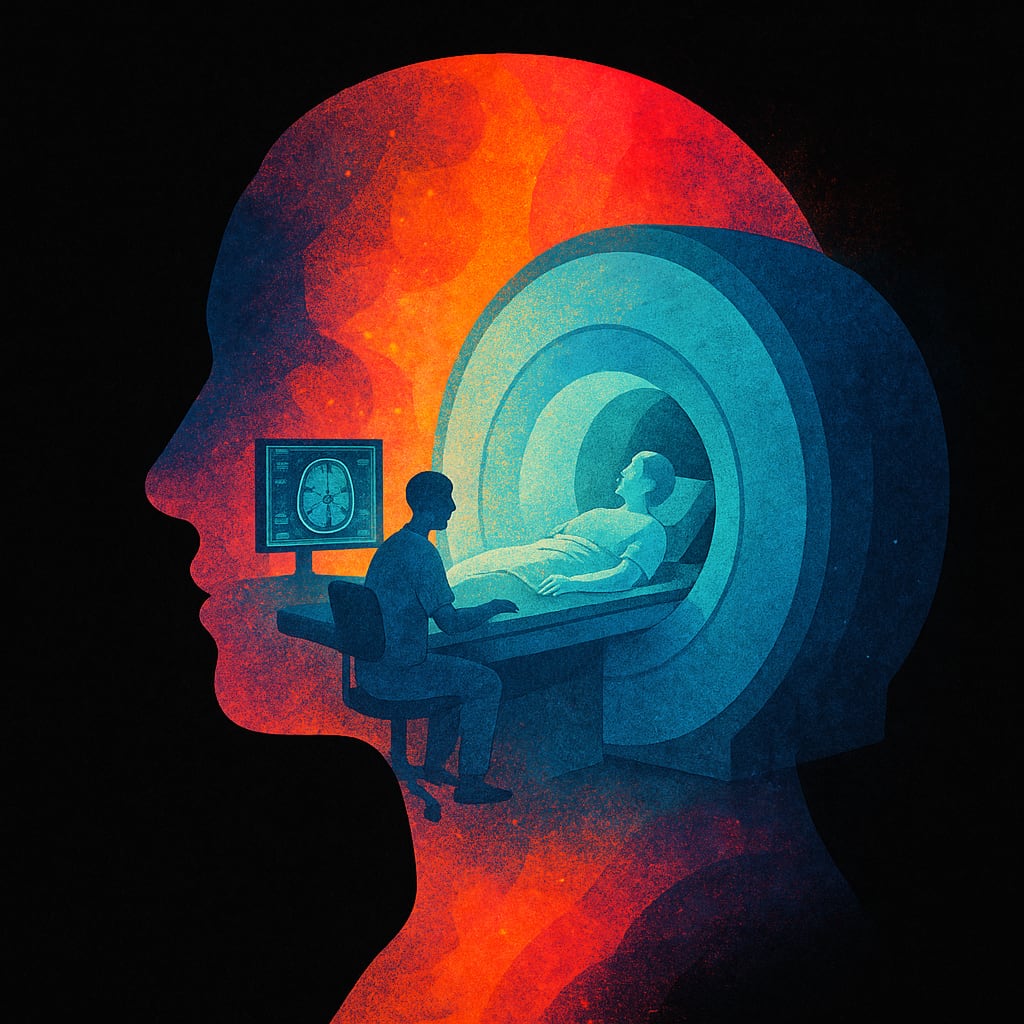
Discover hope through holistic approaches for dementia recovery
Stories of real people regaining memory and independence show that dementia doesn’t have to be a hopeless journey. Families have enjoyed extra years and renewed relationships thanks to these holistic approaches.

More from
Mark Hyman
Too Much Histamine Is Wrecking Your Body — And Most Doctors Don't Know It
How Brain Inflammation Drives Depression, Alzheimer's, and Parkinson's
Your Nervous System Controls Your Gut, Hormones, and Weight — Here's How to Fix It
3 Heart Experts Reveal What Really Prevents Heart Disease
Encore: Why Normal Cholesterol Doesn't Always Mean Low Heart Disease Risk
You also might be interested in
How to Improve Your Memory & Cognitive Function at Any Age | Dr. Alan Castel

Jordan Harbinger: Fight-or-Flight, Two Kidnappings, and the Wallet Ruining Your Spine

Danny McBride on Leaving Hollywood, the Collapse of Comedy & Doomscrolling’s Impact

I Tried EVERY Legal Focus Drug, Here’s What Actually Works

Pro Athlete Performance Doctor on Nicotine, Peptides, Wearables, and Expensive Youth Sports