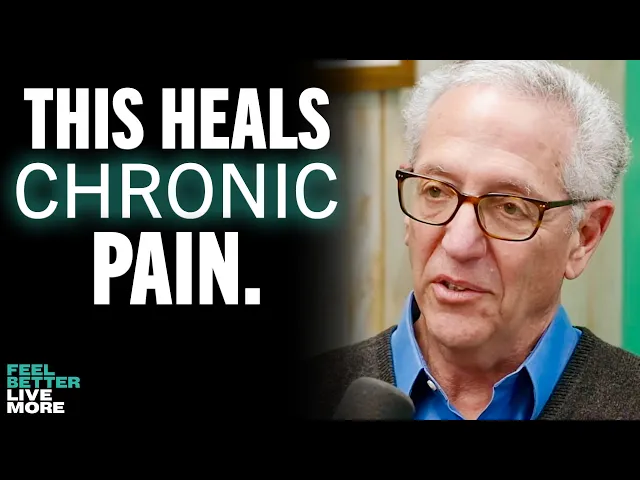
The Real Reason Pain, Fatigue & Anxiety Won't Go Away | Howard Schubiner
Rangan Chatterjee
Jun 3, 2026
Episode description
The Thrive Tour: Transform Your Health and Happiness, a live show: Book Your Tickets https://drchatterjee.com/live
This episode is brought to you by:
AG1: Get FREE AG1 Flavour Sampler, AGZ Sampler, Vitamin D3+K2 and Welcome Kit with your first AG1 subscription (worth $87, US only) https://bit.ly/43FwxQl
Imagine being told for 25 years that your pain is incurable – then making a full recovery within six weeks. That’s exactly what happened to one of the case studies in this episode and his story is far from exceptional. Could it be that much of the chronic pain we accept in life isn’t evidence our body is broken, but a sign our brain is trying to protect us?
My guest this week is Dr Howard Schubiner, one of the world’s leading experts in chronic pain and the mind-body interaction. He’s spent more than 20 years working wonders with people who’d been told their pain was untreatable. He’s published over 100 scientific papers, runs one of the most respected programmes of its kind in the US, and his new book, Unlearn Your Pain, is set to transform how we think about suffering.
To kick off this game-changing conversation, Howard debunks some common beliefs around pain, including the assumption that an MRI scan will accurately diagnose back issues. We talk about why bulging discs, degeneration and other scary-sounding findings show up just as often in people who aren’t in pain. And why the language used in scan reports can sometimes do real harm.
To explain this, Howard talks us through the difference between structural and neuroplastic pain. The key learning here? All pain is created by the brain, through something called predictive processing. In structural pain, there’s clear tissue damage so your brain creates pain to help you protect the area and seek help. In neuroplastic pain, there’s some sort of perceived danger but no real injury. Here’s what’s important: both types are real. You are feeling pain. The difference is in the treatment.
For that, Howard shares his five-part framework for reversing neuroplastic pain – and it has nothing to do with painkillers. He also reveals how the same principles can be applied to tinnitus, dizziness, brain fog, long covid, IBS, anxiety, depression, fatigue and more. We talk childhood, the personality traits that subtly make us more vulnerable to neuroplastic symptoms, and why women are so often the ones carrying the weight.
Whether you're living with a long-term condition yourself, supporting someone who is, or you’re simply curious about the communication pathways between our bodies and our brains, this is an episode you won’t want to miss.
#feelbetterlivemore
Find out more about Dr Schubiner:
Website https://unlearnyourpain.com/
Twitter https://twitter.com/hschubiner
Dr Schubiner’s book:
UNLEARN YOUR PAIN The Science of Recovering from Chronic Pain, Fatigue, Anxiety, and Depression US https://amzn.to/3RySyzy UK https://amzn.to/4u5Qv3s
#feelbetterlivemore #feelbetterlivemorepodcast
-------
Order MAKE CHANGE THAT LASTS. US & Canada version https://amzn.to/3RyO3SL, UK version https://amzn.to/3Kt5rUK
-----
Follow Dr Chatterjee at:
Website: https://drchatterjee.com/
Facebook: https://www.facebook.com/drchatterjee
Twitter: https://twitter.com/drchatterjeeuk
Instagram: https://www.instagram.com/drchatterjee/
Newsletter: https://drchatterjee.com/subscription
DISCLAIMER: The content in the podcast and on this webpage is not intended to constitute or be a substitute for professional medical advice, diagnosis, or treatment. Never disregard professional medical advice or delay in seeking it because of something you have heard on the podcast or on my website.
Mindsip insights from this episode:
Recognize emotional stress as a source of physical pain
Neuroscience shows that emotional stress and physical injury activate the same parts of the brain, explaining why emotions can cause very real physical pain.

Recognize neuroplastic origins of common conditions
A long list of common conditions like migraines, tinnitus, restless leg syndrome, and POTS can be neuroplastic, originating from the brain's danger signals.
Use affirmations to instill certainty and safety in your brain
Affirmations like 'I am safe, I am healthy' work by giving your brain a direct message of certainty and safety, which counteracts the danger signals causing neuroplastic pain.
Unlearn chronic pain with Curable app
An app called Curable is a program that helps people recover from chronic pain by teaching them that it can be unlearned.
Understand pain as a brain decision, not tissue damage
The brain, not tissue damage, ultimately determines whether you feel pain, which is why you can have an injury with no pain, or pain with no injury.
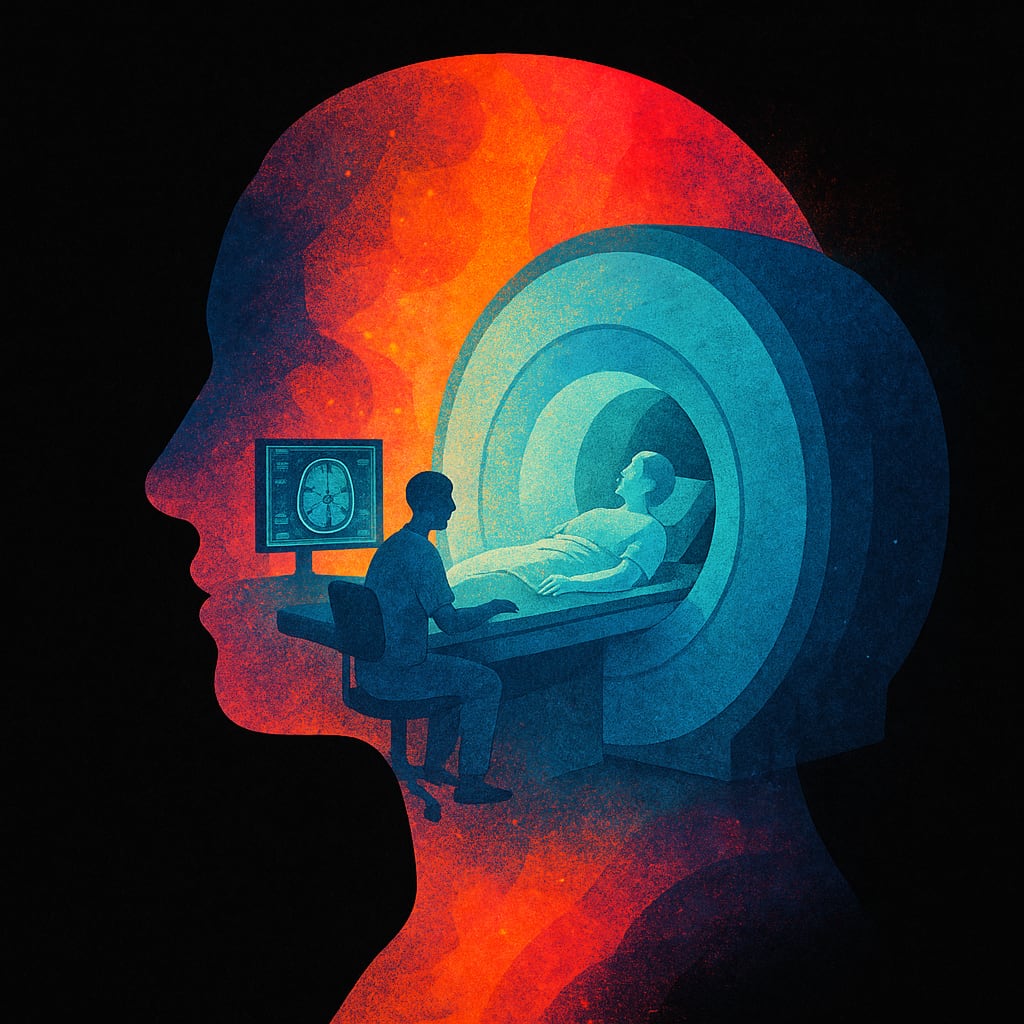
Avoid reading MRI reports to prevent worsening pain
Studies show that simply reading an MRI report detailing findings like 'degeneration' can make a person's pain worse over time.
Identify neuroplastic pain using FIT criteria
Use the 'FIT' criteria (Functional, Inconsistent, Triggered by innocuous stimuli) to help determine if your pain might be neuroplastic rather than structural.
Rethink MRIs for back pain; focus on aging signs, not degeneration
A high percentage of healthy, pain-free people have MRI findings like disc degeneration, which is often a normal sign of aging and not the cause of pain.
Scream to process repressed anger and relieve physical pain
Expressing repressed anger in a safe way, such as screaming alone in your car, can be a powerful way to process emotions and eliminate related physical pain.
Break the habit of conditioned pain responses
The brain can create a conditioned response where it learns to turn on pain for certain activities, like standing, even in the absence of any new injury.
More from
Rangan Chatterjee

Sleep Doctor: If You Wake Up Between 1–3 AM, Your Body Is Trying To Warn You | Dr Michael Breus

The Invisible Trap: Evidence You're Living the Wrong Life (& Don't Know It) | Professor C Thi Nguyen

Chronic Stress Is Aging Your Body Faster Than Smoking (Here's How To Reverse It) | Dr Elissa Epel

If You Have These 5 Traits, You Are Far More Protected From Dementia

#1 Aging Expert: Dementia, Diabetes & Heart Disease Start After 40 When You Ignore This
You also might be interested in

Too Much Histamine Is Wrecking Your Body — And Most Doctors Don't Know It

This Ancient Hack Reverses Aging In 72 Hours

The Potent Brain & Body Ketone Fuel You’ve Probably Never Heard Of: The Science Of R3HBG With Tecton’s Dr. Mike Chesne

1 Year of Lutein: Reversing Arterial Plaque

How To Maintain Muscle On A GLP-1, Why Protein Stops Working As You Get Older, The Truth About Eating “Before Bedtime” & More! Solosode #502